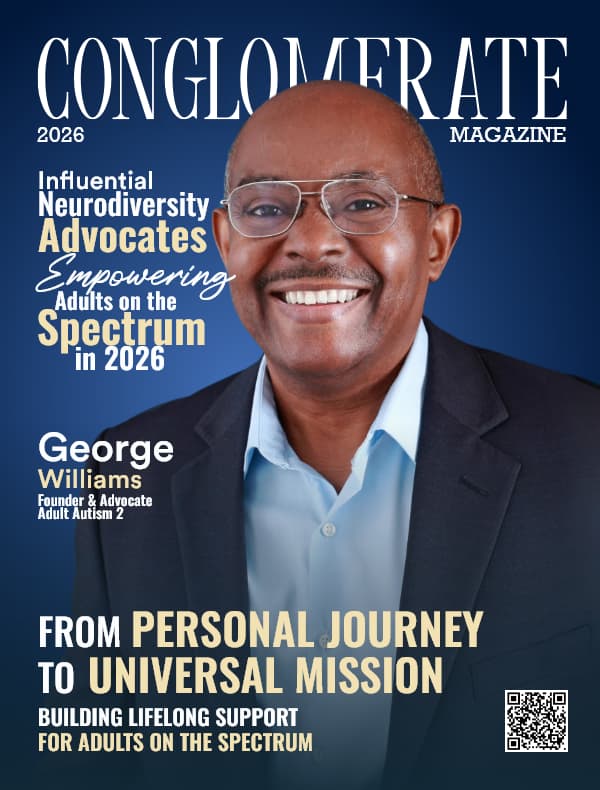
Influential Neurodiversity Advocates Empowering Adults on the Spectrum in 2026
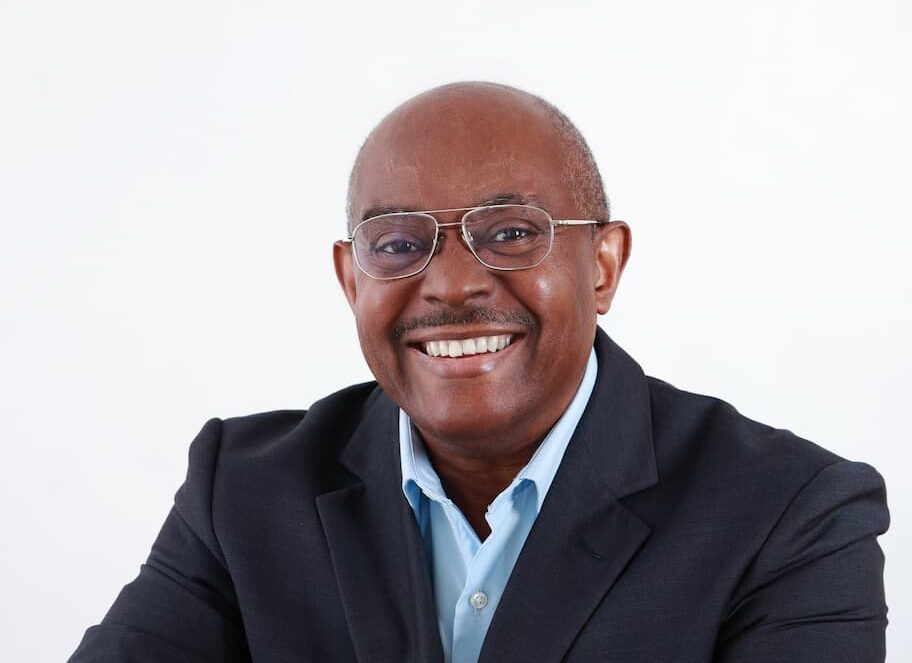
Advocacy often begins with a moment that transforms personal concern into a lifelong commitment to change. For George Williams, that moment arrived when his young son was diagnosed with autism. What began as a father’s search for answers soon evolved into a broader realization that many autistic individuals receive structured support during childhood but encounter significant gaps in services once they reach adulthood. This awareness inspired George to establish Adult Autism 2 and dedicate his efforts to championing the needs, voices, and potential of adults on the autism spectrum.
George Williams
Founder & Advocate, Adult Autism 2
The trajectory of meaningful advocacy often begins not in boardrooms or policy discussions, but in the intimate spaces of family life where challenges transform into callings. For George Williams, that moment arrived when his three-year-old son received an autism diagnosis. As a rehabilitation counselor with a master’s degree and a longstanding commitment to helping people with disabilities, George thought he understood the landscape. What he discovered instead was a fragmented system that celebrated early intervention for autistic children but abandoned them upon reaching adulthood.
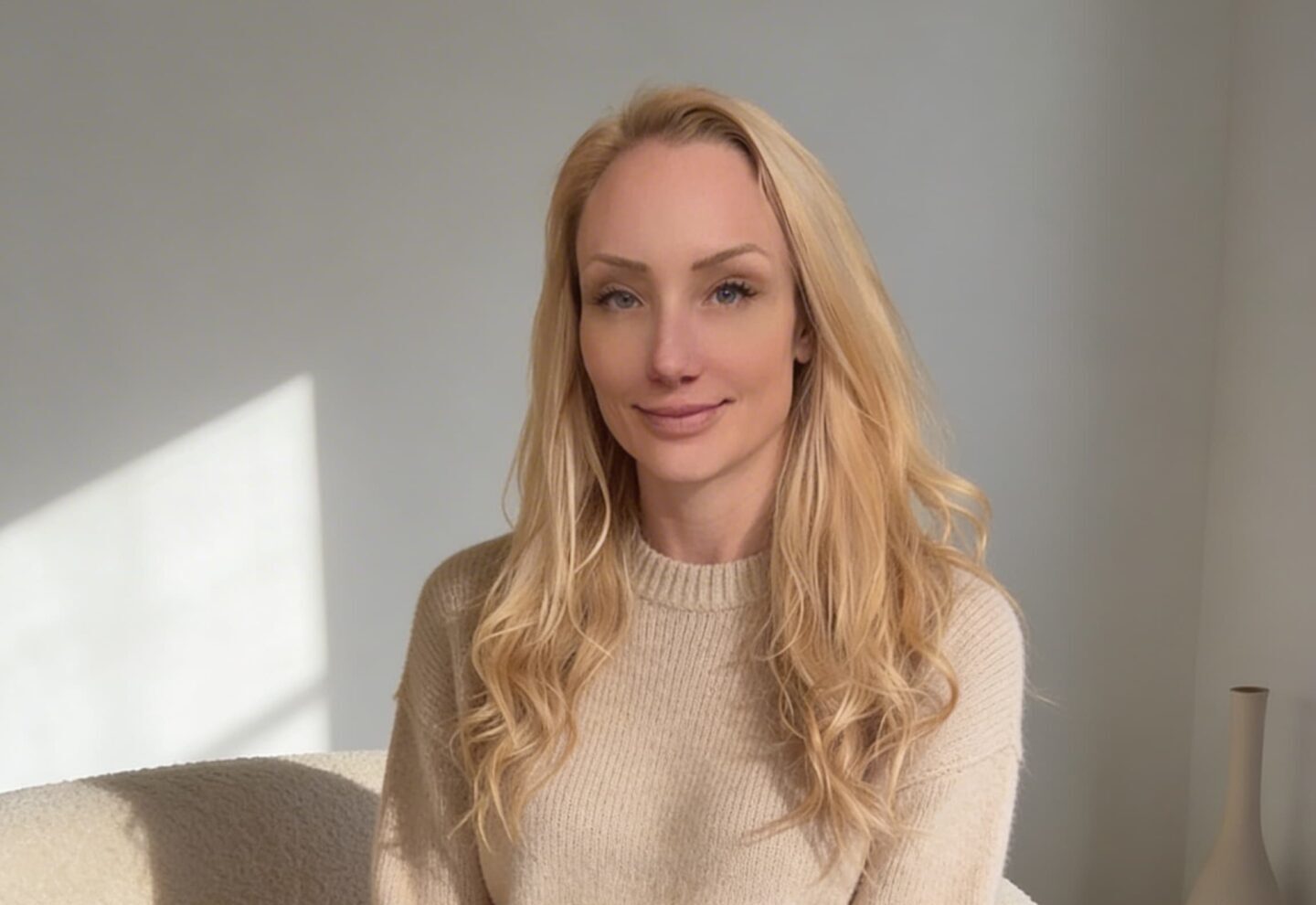
Sara Schwartz
Clinician & Author
In a field where compassion is currency and resilience is the foundation of every breakthrough, Sara Schwartz stands apart. A licensed professional counselor, published author, clinical supervisor, and entrepreneur, Sara has spent the better part of a decade building something rare in the mental health space: a career that is simultaneously deeply personal and systemically transformative. Her journey is not one of straight lines and easy answers. It is a story of adversity converted into advocacy, of gratitude channeled into action, and of a woman who decided that paying it forward was not just a gesture but a life’s mission.
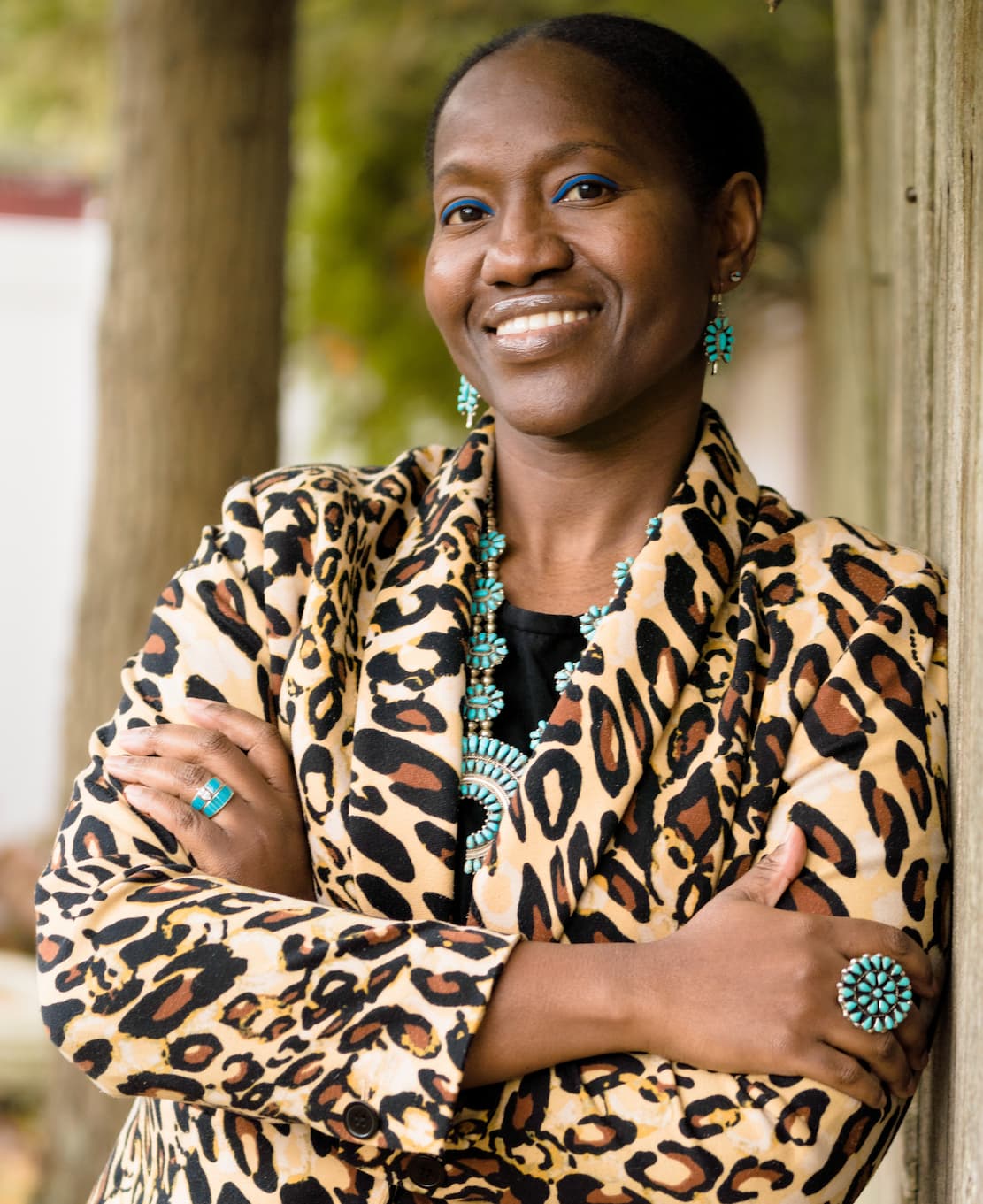
Dr. Sola Togun-Butler
Founder, CEO, Psychotherapist, & Coach
In a medical practice in Nigeria, where two doctors opened their doors to everyone regardless of their ability to pay, a young girl watched her parents rewrite the rules of healthcare. Her father, a psychiatrist, spoke openly about mental health in a society where such conversations were taboo. Her mother, a general practitioner, treated patients with dignity even when payment never came. These were not occasional acts of charity but the daily rhythm of a household where service was as natural as breathing.