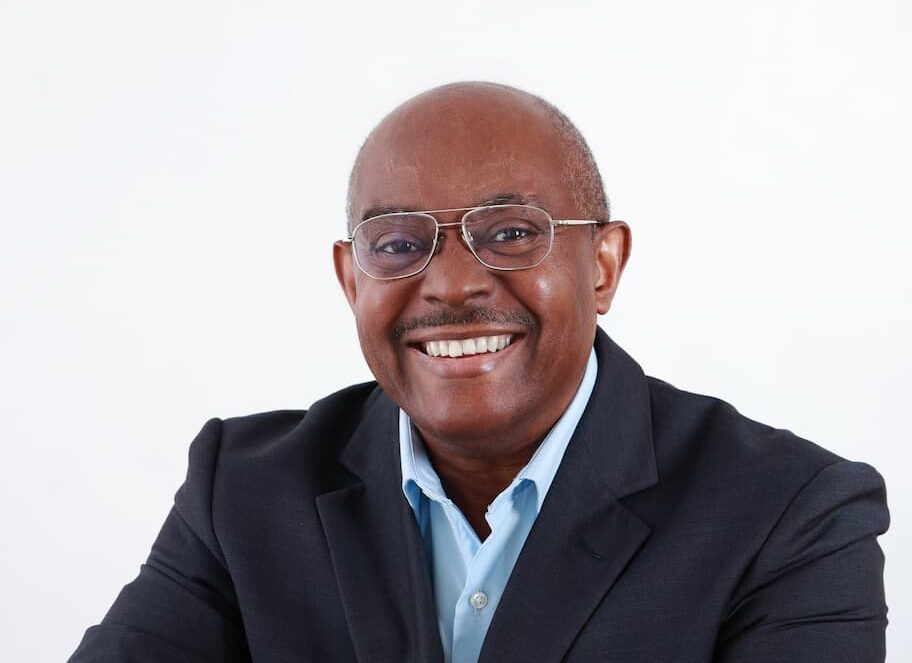
The trajectory of meaningful advocacy often begins not in boardrooms or policy discussions, but in the intimate spaces of family life where challenges transform into callings. For George Williams, that moment arrived when his three-year-old son received an autism diagnosis. As a rehabilitation counselor with a master’s degree and a longstanding commitment to helping people with disabilities, George thought he understood the landscape. What he discovered instead was a fragmented system that celebrated early intervention for autistic children but abandoned them upon reaching adulthood.
“I wasn’t sure how this would manifest until my son was diagnosed with autism at age 3,” George reflects. “He is an only child, which caused my wife and I to think about his long term needs as an adult. I quickly realized there were thousands of other autistic families in a similar situation.”
This realization became the foundation for Adult Autism 2, an organization dedicated to promoting the achievements, extraordinary talents, and different perspectives found within the autism community. But George’s journey to this point required navigating an educational system that measured success through narrow metrics while overlooking the deeper needs of neurodivergent children.
THE CLIFF’S EDGE: WHERE SUPPORT SYSTEMS DISAPPEAR
George and his wife made the difficult decision to homeschool their son after second grade. Despite reading at a sixth-grade level, their son was struggling socially and experiencing acute anxiety. The response from administrators and teachers revealed a troubling gap in how success was measured.
“Administrators and teachers at his school focused on his advanced reading skills and considered that a major educational accomplishment,” George explains. “However, there was only a minimal amount of attention given to his social development and mental health.”
This experience illuminated a broader systemic problem. While early intervention programs for autistic children receive significant attention and resources, these supports frequently terminate at age 21. Within the autism community, there exists a stark expression that captures this abandonment: autistic children “fall off a cliff” when they age out of the educational system and government-mandated services end.
Adult Autism 2 emerged from George’s determination to fill this void. The organization’s core mission centers on ensuring that adults with autism are not forgotten, supporting lifelong learning and age-appropriate programs committed to enriching the lives of autistic adults as diagnoses continue to soar.
RECOGNIZING WHAT SOCIETY OVERLOOKS
George’s advocacy is rooted in a fundamental belief that challenges conventional perspectives on neurodiversity. He sees the autism spectrum not as a collection of deficits to be remedied, but as a wellspring of untapped potential that society systematically overlooks.
“The amazing talents and abilities that exist among the broad and extremely diverse autism spectrum are often overlooked,” George observes. “This is both tragic and detrimental to society as a whole. Differences in processing and perceiving the world do not instinctively make the response wrong.”
This perspective shift is critical to George’s work. Autistic individuals can add perspectives that are often not considered when solving complex issues. The lack of tolerance and the ease with which society dismisses autistics represents one of the most harmful dynamics in contemporary culture. George argues that these different ways of processing information aren’t obstacles to be overcome but assets to be cultivated.
THE FOUR PILLARS: A HOLISTIC FRAMEWORK FOR ADULT SUPPORT
George’s approach to autism advocacy rests on addressing what he identifies as the four central pillars impacting the lives of adults with autism: housing, employment, healthcare, and financial planning. These needs receive automatic attention for children with autism through educational and social service systems, but adults often find themselves navigating these challenges without adequate support.
“To have well-adjusted lives filled with harmony and productivity, it is impossible to separate the intersectionality of these four major components,” George emphasizes.
His holistic framework recognizes that addressing only one or two of these areas while neglecting others creates instability and prevents autistic adults from achieving their full potential. True support requires integrated approaches that acknowledge how housing security affects employment opportunities, how healthcare access influences quality of life, and how financial planning provides the foundation for independence.
RETHINKING HOUSING: BEYOND ONE SIZE FITS ALL
George’s perspective on housing for autistic adults challenges the monolithic approaches that have dominated service provision. He advocates for systemic changes that begin with listening to the people most affected by housing decisions.
“Moving beyond the belief that autistic individuals are a monolith is essential to creating sustainable and inclusive housing,” George states. “From a systemic standpoint, gathering feedback from autistic adults on their housing needs, desires, and preferences could yield beneficial results.”
This approach centers agency and respect. By involving autistic adults in conversations about their housing preferences and treating their input as valuable expertise rather than mere feedback, organizations can build the mutual trust necessary for effective support systems. George’s framework respects autistic adults’ capacity to speak to their own needs on matters as fundamental as where and how they live.
BREAKING DOWN HEALTHCARE BARRIERS
The healthcare system presents multiple obstacles for autistic adults, and George identifies three primary challenges that require immediate attention. First, sensory overload in healthcare environments creates significant barriers. The sounds, crowded waiting rooms, unfamiliar odors, and physical touch from strangers can be intimidating and stressful. For some autistic adults, telemedicine offers a preferred alternative when practitioners provide that option.
Second, the cost of quality healthcare prohibits many autistic adults from seeking necessary care. George notes the direct correlation between high unemployment rates among autistic adults and lack of health insurance, creating a cycle where those who most need healthcare services have the least access to them.
Third, communication barriers between autistic adults and healthcare providers, along with policy administrators, create dangerous gaps in care. These issues are particularly apparent for non-verbal autistic adults who lack advocates to address complex concerns related to lifestyle choices and information processing.
“There is a communication barrier between autistic adults and health providers, along with policy administrators,” George explains, highlighting how these obstacles compound to create healthcare deserts for vulnerable populations.
FINANCIAL PLANNING: STARTING THE CONVERSATION EARLY
George’s guidance on financial planning reflects his pragmatic approach to autism advocacy. While ideal solutions exist, he recognizes that not all families have equal resources and emphasizes starting wherever possible.
“The most essential factor involving autistic adults in relation to financial planning is to get started as soon as possible,” George advises. “Each family’s situation is different, making it crucial for family members to engage and evaluate long term care options for a loved one.”
For families with resources, establishing trusts or funding life insurance policies with the autistic family member as beneficiary provides strong foundations. However, George emphasizes alternatives for families without these resources: opening savings accounts at local financial institutions, designating siblings as guardians, or purchasing separate apartments for autistic sons or daughters depending on their capacity for independent living.
His framework acknowledges that housing and financial planning work together to provide security and safety for autistic adults, recognizing the interconnection between these fundamental needs.
THE EMPLOYMENT PARADOX: MISCONCEPTIONS AND MISSED OPPORTUNITIES
Employment remains one of the most significant hurdles impacting adults with autism, despite progress in corporate understanding. George identifies the persistence of misconceptions as a primary barrier to meaningful employment opportunities.
“Employers often have misconceptions about autistic individuals and are reluctant to hire them based on preconceived ideas,” George notes. “For example, there is the belief that all autistic people are good at math. This may be true for some people, but the reality is that not every autistic person is good with numbers or analyzing data.”
The most damaging misconception involves treating autism as a singular condition rather than recognizing it as a spectrum disorder. This spectrum encompasses a vast array of abilities and combinations of sensitivities that make each autistic person distinctively unique. Comparing one person with autism to others on the spectrum undermines the individualized approach necessary for successful employment relationships.
Yet George emphasizes that employers who move beyond these misconceptions discover remarkable assets. Autistic adults possess incredible problem-solving abilities, identifying arrangements, patterns, frequencies, and sequences that neurotypical employees often miss. Industries focused on quality control, particularly within computer and electronics sectors, increasingly recognize the value autistic employees offer.
AUTICON: A MODEL FOR WHAT’S POSSIBLE
George points to Auticon as a powerful example of what becomes possible when employers create genuinely supportive environments for autistic adults. Founded in 2011 by Dirk Muller-Remus in Munich, Germany, after his son received an autism diagnosis, Auticon operates internationally across eight countries, providing information technology consulting services including quality assurance, software testing, and data analysis.
The company’s success offers compelling evidence for George’s advocacy. Auticon reported that 32% of its consultants hold master’s degrees or higher, despite the fact that 85% were unemployed or underemployed before joining the company. The key to this transformation lies in providing job coaches and adapted work environments that allow autistic employees to thrive.
“Auticon is an Information Technology Consulting company based in Munich, Germany, that is a prime example of what’s possible for autistic adults when given the opportunity,” George explains, highlighting how thoughtful accommodation unlocks potential that traditional employment models leave dormant.
CREATING AUTISM-FRIENDLY WORKPLACES: PRACTICAL STEPS
George’s recommendations for employers focus on concrete modifications that create more inclusive environments. These include adjusting lighting and noise levels to reduce sensory overload, avoiding exposure to sprays, dyes, and chemical mixtures that may cause allergies or more severe health problems over time.
Most significantly, George advocates for investing in job coaches who work directly with autistic employees. These coaches serve dual purposes, supporting employees while providing employers with valuable insights into workers’ concerns and perceptions.
“The job coach is not only an asset to the employee but also offers the employer access to workers’ concerns and perceptions,” George notes. “Having a liaison who considers the positions of all parties involved only enhances the organization’s overall profile.”
This approach benefits entire organizations, not just autistic employees, by creating communication channels that improve workplace culture and operational effectiveness.
THE WRITER’S CRAFT: BLENDING EXPERIENCE, RESEARCH, AND PERSONAL STORIES
George’s approach to autism advocacy extends beyond organizational work into writing and storytelling. He believes effective communication requires integrating multiple methods to reach diverse audiences.
“It is imperative to blend life’s experiences, research, and personal stories as a writer,” George explains. “Audiences are diverse and relate to an author’s work on many different levels. Integrating a variety of methods creates the potential for broader readership experiences.”
This philosophy reflects George’s broader advocacy approach: meeting people where they are, respecting different ways of processing information, and creating multiple entry points for understanding and engagement.
PUBLIC EDUCATION AS CATALYST FOR CHANGE
George maintains deep respect for public education’s role in shaping societal perceptions of autism. While acknowledging the system’s limitations in serving his own son, he recognizes that educators often lead the charge for inclusion and equity.
“First and foremost, the administrators and teachers who serve valiantly in educating our children are to be commended for their sacrifice and incredible dedication,” George states. “They demonstrate the highest level of tolerance toward autistic students and their families.”
Public education has historically broken down barriers and continues to serve as a force for social progress. George’s perspective balances criticism of systemic shortcomings with appreciation for individual educators’ efforts and the institution’s potential for transformation.
BUILDING COLLABORATIVE FRAMEWORKS FOR SYSTEMIC CHANGE
George envisions comprehensive change requiring unprecedented collaboration between healthcare providers, employers, policymakers, and communities. The first step involves acknowledging uncomfortable truths about current systems.
“The first step towards effective change is acknowledging that the current system is fragmented and broken,” George asserts. “We must recognize the common goal is to provide support and equitable opportunities for autistic children and adults.”
This collaborative framework must create spaces where ideas can be shared without fear of retribution or judgment. Critically, it must welcome the perspectives of autistic parents and caregivers as essential components of comprehensive support planning. George’s approach recognizes that those closest to the challenges often hold the most valuable insights for solutions.
THE ESSENTIAL CHARACTERISTICS OF EFFECTIVE ADVOCACY
George identifies two fundamental characteristics that advocates and leaders in the neurodiversity space must possess. First, transparency builds the trust necessary for effective community engagement.
“Members of the autism community are perceptive and will quickly recognize misdirected motives that are not in their best interests,” George warns.
Second, advocates need genuine commitment to equity for neurodiverse people. The needs within this community are complex and layered, requiring sustained effort often without immediate gratification.
“There are times when the only reward is the satisfaction of knowing you gave your best effort,” George acknowledges, highlighting the long-term nature of advocacy work and the importance of intrinsic motivation.
EMBRACING TECHNOLOGICAL ADVANCES: AI AND ROBOTICS AS ALLIES
Looking toward emerging trends, George identifies artificial intelligence and humanoid robotics as offering the most significant potential for improving quality of life for autistic adults. While acknowledging uncertainty about AI’s role in society and concerns about job elimination, George maintains an optimistic perspective.
“I believe that both AI and robotics are well positioned to enhance the quality of life for millions of people,” George states. “Autistic adults can enjoy greater independence and added support through these significant advances in technology.”
This forward-looking perspective reflects George’s broader philosophy of focusing on possibilities rather than limitations, identifying how technological developments can be harnessed to support neurodivergent communities rather than further marginalize them.
GUIDANCE FOR FAMILIES: HONORING INDIVIDUAL CIRCUMSTANCES
George’s advice for parents of adult children with autism reflects his respect for family autonomy and recognition of diverse circumstances. He resists prescriptive approaches that ignore the fundamental variability within autism spectrum experiences.
“Parents of adult children with autism and other disabilities share a universal concern about what will happen to their children when they are no longer there,” George acknowledges. “There is no single solution, as each family situation is different.”
His guidance emphasizes thoughtful consideration and ultimately trusting families to make decisions they believe best serve their loved ones. This approach honors both the complexity of autism spectrum conditions and the intimate knowledge families possess about their own circumstances.
A VISION BUILT ON ACCEPTANCE AND POTENTIAL
George’s vision for Adult Autism 2 extends beyond service provision to cultural transformation. He aims to promote autistic adults and their talents to the world, believing dormant gifts within the autism community will benefit society immensely once discovered and developed through supportive initiatives.
“My vision for Adult Autism 2 is to promote autistic adults and their talents to the world,” George explains. “I believe some gifts lie dormant within the autism community that will benefit society immensely. Those hidden treasures must be discovered and developed through various autism support initiatives.”
He hopes future generations of autistic adults will regard Adult Autism 2 as a source of encouragement and guidance. Most importantly, George wants to leave autistic adults with something fundamental yet too often denied: the belief that they are accepted and that life will yield all the good they deserve.
THE LEGACY OF REFUSING TO FORGET
George Williams represents a generation of advocates who refuse to accept that support for neurodivergent individuals should end at arbitrary ages. His work challenges systems that celebrate early intervention while abandoning adults, that recognize childhood potential while dismissing adult capabilities.
His influence extends through multiple channels: organizational leadership through Adult Autism 2, written advocacy that blends research with personal narrative, and persistent efforts to educate employers, healthcare providers, policymakers, and communities about the untapped potential within autism spectrum populations.
The expression about autistic children “falling off a cliff” at age 21 captures a failure of imagination and commitment. George’s career provides an alternative vision where support continues throughout life, where differences in processing and perceiving the world are recognized as assets rather than deficits, where the four pillars of housing, employment, healthcare, and financial planning work together to create stable foundations for flourishing lives.
As society continues grappling with how to create genuinely inclusive communities, advocates like George provide essential guidance grounded not in abstract principles but in the lived experience of families navigating systems that too often work against them. His example demonstrates that the most powerful advocacy emerges from personal commitment informed by professional expertise and sustained by unwavering belief in human potential.
The future of autism advocacy will be shaped by leaders who understand that true inclusion requires systemic transformation across multiple domains simultaneously. George Williams’ work provides a roadmap for achieving this comprehensive change, demonstrating that meaningful advocacy honors individual differences while building collective support structures that allow all community members to thrive.