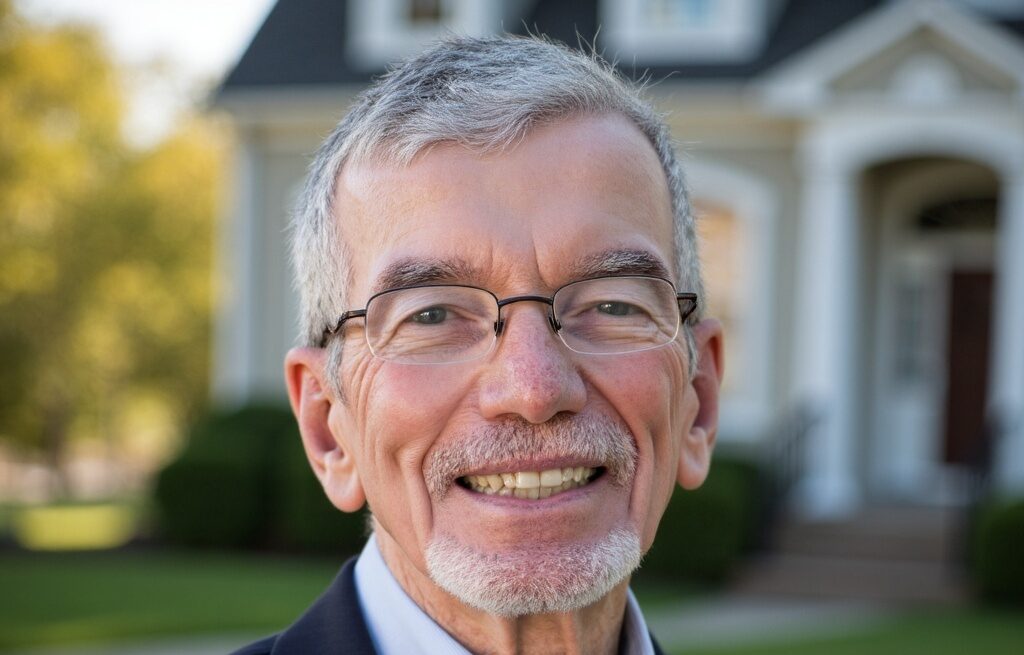
“I hope my books help leaders think more clearly about their role and provide simple actions they can take to help people perform at their best.”
–Paul B. Thornton
As a high school hockey player in Massachusetts, Paul noticed something that puzzled him. Two teams in his league finished first and second year after year, while his team consistently finished in the middle of the standings. The players seemed equally talented. The difference, he sensed even then, had little to do with skill. It had everything to do with the coaches and how they led.
That experience sparked a question that would shape his career: What do the best coaches and leaders do to bring out the best in people?
Searching for the answer set him on a path that has lasted for decades resulting in thirty books, influencing thousands of students, and reaching leaders around the world.
FROM THE ICE RINK TO THE CLASSROOM AND CONDUCTING RESEARCH
Paul studied management, psychology, and political science at Ohio University before earning master’s degrees in both business and education. He aimed to learn as much as possible about the tactics and approaches top leaders use to help individuals, teams, and organizations succeed.
Throughout his career, he has interviewed over 300 leaders from various fields, participated in management assessment programs, and taught leadership courses at the college level. During his time in the corporate world, he served on several senior leadership teams, gaining direct experience in how top leaders communicate, shape strategy, drive change, build teams, and develop talent.
WHAT GREAT LEADERS ACTUALLY DO
Paul believes leadership is a process. The first step is diagnosing the current situation. Effective leaders examine both objective data and the perceptions of the people involved. They ask questions, observe behavior, and gather input from relevant stakeholders before drawing conclusions.
“Leaders will still be responsible for judgment, values, relationships, and inspiration. AI cannot replace those.”
He states, “Leadership is not a solo effort. At every step in the process, listen to people who see things you may miss people who challenge your assumptions and help you clarify your thinking.”
Once leaders understand the situation, they identify actions that will help individuals and teams move forward. These actions might include setting challenging goals, clarifying roles and responsibilities, distinguishing symptoms from root causes, facilitating productive discussions, reframing problems as opportunities, and providing honest feedback.
The third step is presenting their recommendations. Paul believes one of the key qualities of great leaders is clarity. They communicate their ideas using simple facts, examples, stories, and visual aids, and they deliver their message with passion and conviction.
The fourth step is implementing change. The best leaders develop a clear plan to ensure that the people who need to change are both capable and willing to do what’s required. When individuals lack the ability or willingness, achieving the desired results is unlikely.
Underlying this entire process is a set of core beliefs and values that guide a leader’s behavior. Great leaders understand that involving the right people and gaining their commitment at each step increases the likelihood of positive results.
USE THE APPROPRIATE LEADERSHIP STYLE
His college professor, Paul Hersey, often said, “There is no one best style of leadership. Use a style that fits the needs of the situation.” Paul’s book, Leadership Styles, describes three core styles that leaders use to assign work, set goals, coach, give feedback, and lead meetings.
- Directing Style—The leader tells or demonstrateswhat to do and how to do it. Employees learn to listen, ask questions, follow instructions, and meet deadlines.
- Discussing Style—The leader asks questions to gather people’s ideas about problems and opportunities. People learn to analyze information, present ideas, collaborate effectively, and make decisions.
- Delegating Style—The leader empowers individuals to work independently and complete tasks. People learn to set goals, manage their time, create plans, and overcome obstacles.
Paul said, “Each style is not just a tool for the leader but also a developmental experience for the person being led. The best leaders recognize they are not merely completing tasks through people; they are developing people’s knowledge, skills, and confidence.”
BUILD HIGH-PERFORMING TEAMS
- Paul has been both a team member and a team leader on over 40 teams. He has discovered that the best team leaders maintain a healthy balance of task skills, such as clarifying goals, and people skills, such as listening, coaching, and motivating people.
In addition, the best team leaders:
- Involve all team members in discussing agenda items.
- Get agreement on shared values such as excellence, respect, and continuous improvement.
- Create processes that support effective communication and sound decision-making.
- Recognize people for both their efforts and results.
Paul said, “Exceptional team leaders set high standards and hold people accountable for results. They teach their teams how to work together and what it takes to achieve excellence.”
ALIGN YOUR ORGANIZATION
Paul discovered that top senior leaders develop and execute a successful strategy for their organization. Additionally, they align the organizational structure, systems, people, and company values to support the strategy.
Alignment is achieved when all parts of the organization work together in a highly coordinated fashion. Everything is in sync and supporting the strategy. Studies have shown that highly aligned companies are more profitable, have more loyal customers, and have more engaged employees.
His practical recommendation is straightforward: put alignment on the agenda at every staff meeting. Create a standing invitation for people to name organizational misalignments and recommend corrective action. The organisations that treat alignment as a high priority will be the ones that sustain success over time.
THE SKILLS AND TRAITS THAT FUTURE LEADERS WILL NEED
When Paul discusses the most important qualities future leaders will need, three stand out.
1. Adaptability is top priority: as the pace of change accelerates, leaders who cannot adapt quickly will fall behind.
2. Systems thinking is next: leaders must understand how their organization functions as an interconnected whole, because making decisions without that understanding often solves one problem but creates three more.
3. Alignment is essential, not only organizational alignment but also personal consistency. Leaders who are aligned in what they think, say, and do build credibility that endures under pressure.
He believes AI will help leaders communicate more clearly. AI will also be very useful in analysing data and finding opportunities to guide alignment and strategy. However, leaders will always be responsible for making judgments when establishing core values, reaching agreement on shared goals and plans, establishing priorities, developing their people, building high-performing teams, and aligning organizations.
THIRTY BOOKS WITH A SINGLE PURPOSE
Paul has published thirty books and contributed articles to outlets including SmartBrief on Leadership, The New York Daily News, the Leader-to-Leader Journal, USA Today, and Leadership Excellence. His most popular books include: What Would You Have Done?, The Leadership Process, Leadership Styles, and Organizational Alignment for Peak Performance. They are designed for practitioners, not academics. His books are simple, practical, and focused on one big idea.
His target audience is intentionally broad. Coaches, parents, teachers, managers, executives, and team leaders can benefit from his ideas.
A LEGACY BUILT ONE LEADER AT A TIME
Paul has delivered presentations at leadership conferences around the world and appeared on numerous podcasts. He has been a voice in some of the most widely read leadership publications in the United States. But when asked about legacy, he returns to something quiet and specific. He hopes his books help leaders think more clearly about their role and provide simple, concrete actions they can take to help people perform at their best.