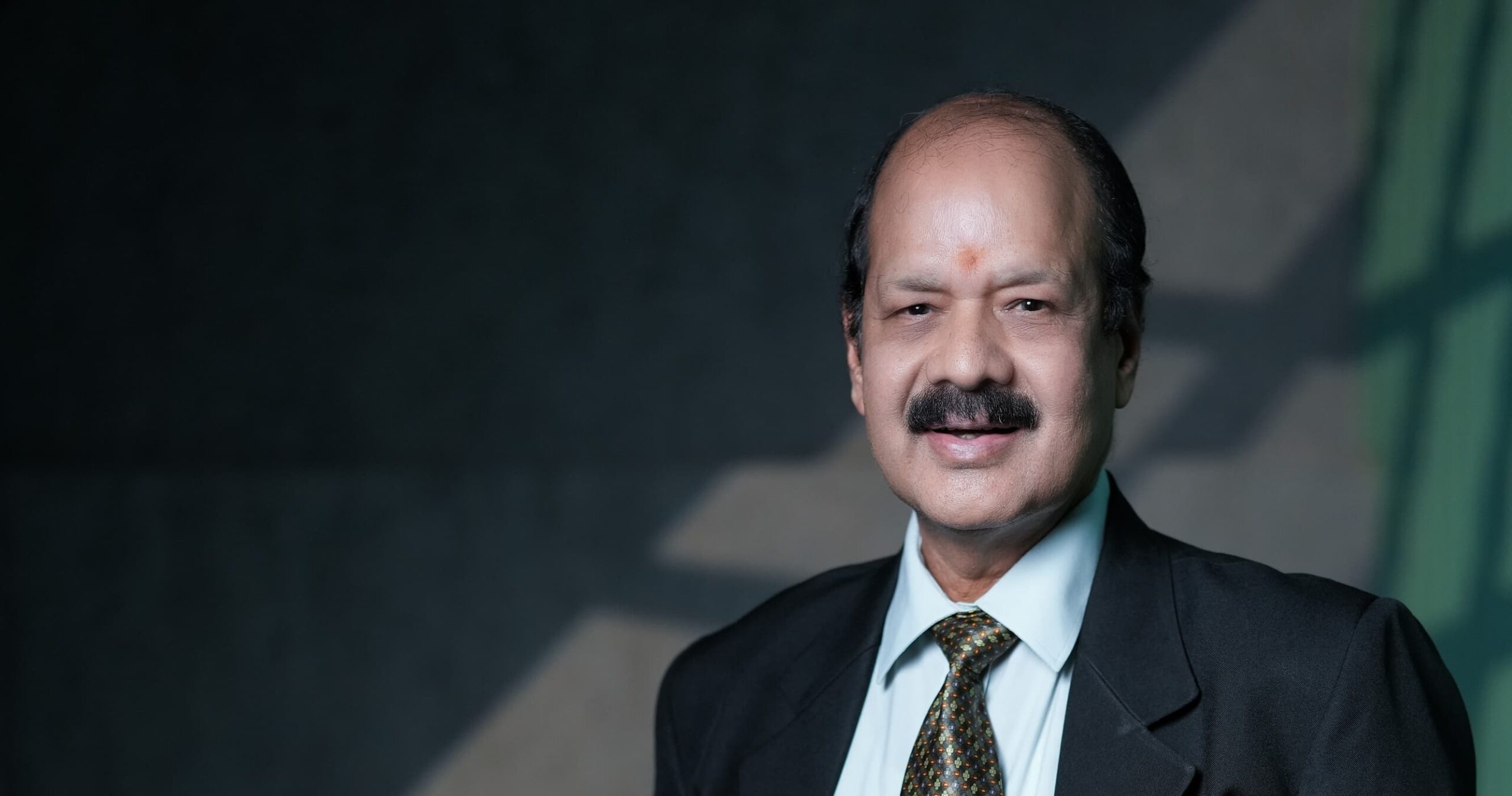
“In manufacturing, a delay in materials might slow production; in healthcare, it could mean the difference between life and death. This realization transformed my perspective and deepened my commitment to healthcare logistics.”
– Dr. J. Sivakumaran
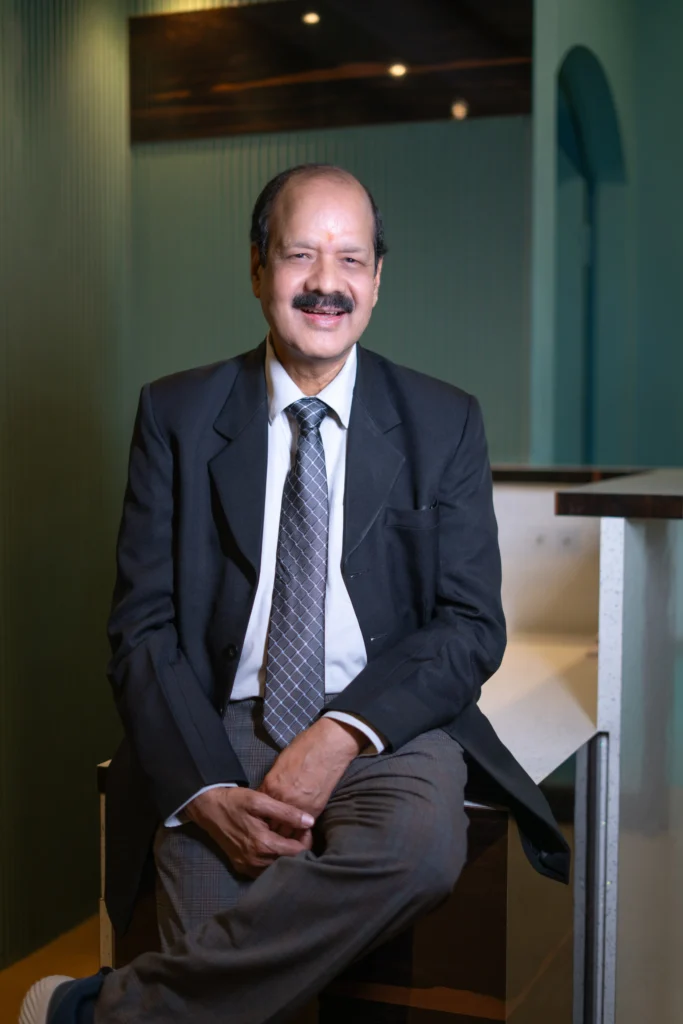
In the world of hospital administration, few leaders understand the profound weight of logistics quite like Dr. J. Sivakumaran. His journey into healthcare began not in a medical school, but on the floors of the textile industry, where he spent over a decade mastering materials management and supply chain optimization. When he joined Kovai Medical Center and Hospital (KMCH) as a Material Controller more than three decades ago, he discovered a truth that would reshape his entire career trajectory.
“In manufacturing, a delay in materials might slow production; in healthcare, it could mean the difference between life and death,” Dr. Sivakumaran reflects on that pivotal realization. This profound understanding transformed his perspective from operational efficiency to mission-driven service. He began refining processes with a singular focus: ensuring that critical medical supplies were available precisely when needed, every single time.
What started as a role in materials management evolved into a remarkable 32-year journey that has positioned him as one of India’s most respected healthcare administrators. Today, as the Chief Operating Officer of KMCH, a 2,250-bed super specialty chain headquartered in Coimbatore, Tamil Nadu, Dr. Sivakumaran oversees operations that touch thousands of lives daily. His leadership has been instrumental in transforming KMCH from its humble 250-bed beginnings in 1991 into a trusted healthcare institution known for pioneering innovations and unwavering commitment to patient care.

GLOBAL RECOGNITION FOR HOMEGROWN EXCELLENCE
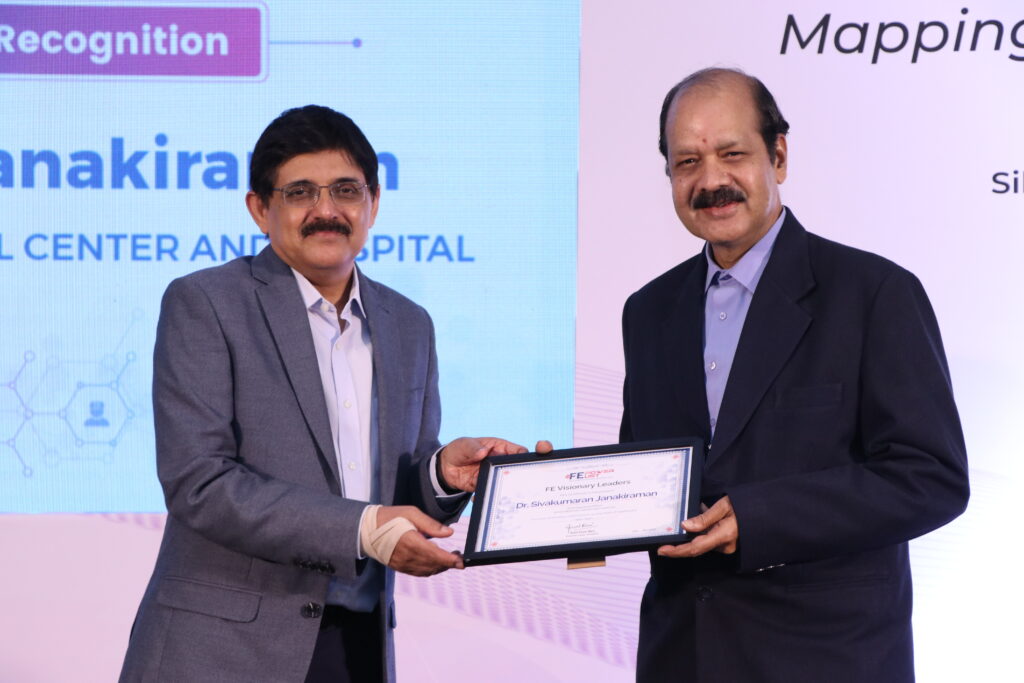
Dr. Sivakumaran’s contributions have not gone unnoticed on the global stage. In 2024, he received the COO of the Year Award by Forttuna, a recognition selected purely on merit from over 3.5 lakh profiles, 18,000 interviews, and 4,000 shortlisted applications across 81 countries. The award ceremony in Dubai marked a proud moment, affirming the impact of decades of dedicated work.
The accolades continued in 2025 when the Fluxx Group honored him with the Lifetime Achievement Award, chosen from over 5,000 profiles spanning more than 40 countries. Presented in Hong Kong, this recognition served as a humbling testament to his lifelong dedication to healthcare excellence.
Perhaps most remarkably, in August 2025, Forttuna selected him for the prestigious Global 100 Class of 2025 from a pool of 1.5 million profiles worldwide. “These accolades not only validate my efforts but also fuel my passion to contribute even more meaningfully to the healthcare sector,” Dr. Sivakumaran shares with characteristic humility.
WITNESSING THE EVOLUTION OF SOUTHERN INDIA’S HEALTHCARE LANDSCAPE
Having spent over three decades in the field, Dr. Sivakumaran has had a front-row seat to the remarkable transformation of healthcare in Southern India. “Today, medium to large hospitals are emerging in every corner, including Tier 2 and Tier 3 cities,” he observes. What was once a landscape of limited healthcare infrastructure has evolved into a network of branded hospitals expanding into smaller towns, bringing advanced technology and infrastructure to previously underserved areas.
“Hospital administration is not just about managing operations—it’s about ensuring that every patient feels seen, heard, and genuinely cared for. Healthcare is a rewarding field with limitless opportunities for those who specialize and commit to excellence.”
From routine procedures to complex transplants, these centers now deliver high-quality care with significantly improved accessibility. Dr. Sivakumaran notes with pride that the concept of hospitals as viable business ventures focused on quality and scalability has its roots in Southern India, setting a precedent for the rest of the country.
This evolution has not been without its challenges. Early in his career, Dr. Sivakumaran faced the persistent challenge of recruiting and retaining trained manpower. “While we invested in training fresh graduates, many left for short-term gains elsewhere,” he recalls. The solution required a multifaceted approach: enhanced compensation packages, comprehensive benefits, intensive training, and careful molding of talent. Over time, these efforts created a culture so strong that KMCH now proudly counts over 1,000 employees who have served for more than 25 years.
Another significant challenge was managing capital expenditure without compromising financial sustainability. High patient expectations often created operational pressures, particularly when patients demanded premium services but were reluctant to pay premium prices. “Balancing these demands required agile strategies, meticulous planning, and prudent financial management,” Dr. Sivakumaran explains. The systems developed through these challenges now align patient satisfaction with operational efficiency seamlessly.
LEADERSHIP THAT ADAPTS WITHOUT LOSING ITS CORE
Dr. Sivakumaran’s leadership philosophy defies simple categorization. “Leadership in healthcare cannot be defined by a single philosophy,” he asserts. “Instead, it requires a dynamic blend of approaches that complement one another to form a cohesive and effective style.”
At KMCH, the culture is unequivocally patient-centric. A “One Team” culture fosters inclusion and collaboration across all units. His leadership draws from democratic, inspirational, and collaborative models, emphasizing agility over rigidity. “It adapts to changing contexts while remaining grounded in core principles that foster trust, respect, and shared purpose,” he explains.
This flexible framework enables inclusive decision-making, empowers individuals, and nurtures a culture of continuous growth and accountability. The proof lies in the numbers: those 1,000+ employees with over 25 years of service represent more than just longevity. They embody a culture of trust, mutual respect, and shared ambition that has become KMCH’s signature.
THE DELICATE BALANCE: EXCELLENCE IN CARE AND OPERATIONAL EFFICIENCY
One of the most complex challenges in hospital administration is balancing exceptional patient care with operational efficiency. For Dr. Sivakumaran, these are not competing priorities but deeply interconnected imperatives that must function in perfect synchronization.
“Sophisticated patient care often increases operational costs, but we’ve embraced AI-driven technologies to bridge this gap,” he explains. The innovations at KMCH demonstrate how technology can enhance both patient experience and operational excellence simultaneously.
The “Porter System” functions like Uber for internal patient transport. When a request is made, the nearest wheelchair operator is assigned, ensuring swift service and improved efficiency. Similarly, the “Tracker System” enables digital location of patient files, reducing delays and enhancing workflow. These innovations allow KMCH to maintain the highest standards of care while optimizing operations.
The approach to resource optimization is comprehensive and disciplined. Staff are trained in multitasking to enhance flexibility and reduce redundancy. Equipment is integrated with IT systems to monitor usage and improve efficiency. Wherever feasible, operations are centralized to avoid duplication of resources.
The automated building management system regulates power usage by scheduling equipment operations, contributing to significant energy savings. Annual procurement plans are consolidated across all branches to leverage bulk purchasing and reduce costs. Surgical procedures are meticulously scheduled to maximize the utilization of operating theaters and associated resources.
TURNING CHALLENGE INTO SUSTAINABLE INNOVATION
One of Dr. Sivakumaran’s most impactful initiatives addressed a challenge that might have seemed purely financial but had far-reaching implications. KMCH’s electricity costs averaged ₹1.5 crores per month, a substantial operational expense. Rather than accepting this as an unavoidable cost of doing business, Dr. Sivakumaran saw an opportunity for transformative change.
The solution was a renewable energy strategy involving the establishment of a 4+1+5 MW solar park, which now supplies 60% of KMCH’s energy needs. Additionally, outsourced wind energy meets another 20% of demand. The financial impact has been remarkable: solar energy production costs approximately ₹3 per unit compared to ₹12 per unit from the grid, resulting in a ₹9 per unit saving.
The project achieved full cost recovery within seven years and continues to deliver substantial savings. Beyond the financial benefits, this initiative aligns with KMCH’s commitment to sustainable and green energy, earning environmental incentives and recognition. It stands as a perfect example of how operational challenges can be transformed into opportunities for innovation that serve multiple stakeholders.
TECHNOLOGY AS THE CORNERSTONE OF MODERN HEALTHCARE
For Dr. Sivakumaran, technology is not merely a tool but a cornerstone of hospital operations that enhances both patient experience and administrative efficiency. From appointment scheduling to discharge, digital systems streamline every touchpoint in the patient journey.
Key implementations at KMCH include digital radiology, creating a filmless environment where reports are shared via secure links. Real-time medical record tracking ensures quick and accurate access to patient files. An automated lab testing system sends samples via pneumatic tubes that are automatically routed for testing, cutting turnaround time by half. AI-driven LINAC enables adaptive radiotherapy tailored to daily patient needs. Digital medical records are currently being implemented to provide seamless access for clinicians and administrators.
“These innovations not only improve operational workflows but also elevate the quality and enhance of patient care,” Dr. Sivakumaran notes. Looking ahead, KMCH is actively investing in AI-powered diagnostic equipment, some of which will be the first of their kind in India. These systems offer low radiation exposure and faster recovery times, enhancing both safety and outcomes.
The hospital plans to add 1,000 beds over the next five years, expanding current capacity significantly. Investments in AI, robotics, and immersive technologies are part of a long-term strategy focused on lifecycle planning and sustainable growth. An electronic ICU system is being implemented, along with AI-powered clinical documentation tools that promise to transform how care is recorded and communicated.
THE ART OF INVENTORY MANAGEMENT IN UNCERTAIN ENVIRONMENTS
Managing inventory in healthcare presents unique challenges that differ fundamentally from production industries. “Unlike manufacturing where material requirements are predictable, hospitals face uncertain and dynamic demand,” Dr. Sivakumaran explains. “We must ensure that essential items are always available, despite not knowing the exact procedures or volumes for the next day.”
This requires a delicate balance between availability and investment. For consumables, KMCH sources only from top-tier brands and authorized dealers to ensure quality and avoid counterfeit products. By consolidating annual requirements across branches, the hospital negotiates better pricing and terms. A purchase committee oversees all procurement decisions, and non-moving or slow-moving items are returned to suppliers to minimize waste and optimize inventory turnover.
Vendor relationships are maintained through strong, ethical, and transparent practices. Procurement is strictly from manufacturers or authorized dealers to ensure product authenticity and reliability. During capital expenditure planning, extended warranties are insisted upon and annual maintenance contracts are pre-negotiated. All vendors are treated equitably, and payments are made promptly as per agreed terms.
“Our rate finalization process is transparent, and any vendor grievances are addressed directly by the leadership team,” Dr. Sivakumaran explains, emphasizing how this approach fosters trust and long-term partnerships.
PATIENT EXPERIENCE AS THE NORTH STAR
At KMCH, every system and infrastructure element is designed with a patient-centric philosophy. From prioritizing patients in elevator usage to offering multiple clinical options, every detail is tailored to enhance comfort and convenience.
Multiple cash counters, phlebotomy stations, and pharmacy outlets are distributed across floors to reduce wait times. Accessible digital payment systems, banking services, diverse food outlets, washrooms, ATMs, a temple, and resting areas are all designed to meet patient needs. User-friendly signage guides patients efficiently, and an indoor navigation system is currently being implemented to help patients reach any location within the hospital with ease.
“At KMCH, our philosophy is simple yet profound: treat every patient as a family member,” Dr. Sivakumaran shares. This ethos is deeply embedded in systems and culture. Clinical decisions are made collaboratively, with patients actively involved in the process. Regardless of room category, diagnostic charges remain uniform, reflecting the institution’s commitment to fairness.
A robust patient feedback system ensures that every discharged patient is encouraged to share experiences, suggestions, and concerns. These feedback forms are reviewed weekly in collaboration with respective Heads of Departments, and actionable insights are promptly implemented. “We treat complaints not as setbacks but as opportunities for improvement,” Dr. Sivakumaran emphasizes.
Patients can reach the hospital through multiple channels: a dedicated WhatsApp number, suggestion boxes, direct access to the leadership team, and email. Positive feedback is celebrated, with staff members being recognized and rewarded during monthly meetings.
Patient safety remains the top priority. Specialized committees continuously monitor key indicators such as infection rates, fall incidents, and medication errors. A dedicated quality control team conducts daily audits and reports findings for immediate corrective action, ensuring a safe and responsive care environment.
STREAMLINING COMPLEXITY THROUGH STRUCTURE AND AUTONOMY
Managing operations across multiple departments in a large hospital requires a careful balance between structure and flexibility. Each department at KMCH operates under clearly defined Standard Operating Procedures with specific roles and responsibilities. Monthly performance reports go to top management for review, ensuring accountability and continuous improvement.
Infrastructure needs are assessed and approved by the leadership team. Regular weekly and monthly meetings provide a platform for departments to voice challenges and propose innovations. “A well-defined hierarchical structure and robust communication system support autonomy while encouraging creativity and collaboration,” Dr. Sivakumaran explains.
This approach creates an environment where teams feel empowered to innovate within a framework that ensures consistency and quality. Grievances are addressed immediately, often before the patient leaves the hospital, and acknowledged personally. Because the patient-centered philosophy is woven into daily operations, aligning staff with this approach is not a challenge but rather an expression of institutional culture.
TRAINING A WORKFORCE FOR THE FUTURE
KMCH’s commitment to developing healthcare professionals extends beyond its hospital operations. The institution’s educational vertical consists of a state-of-the-art Medical College and Paramedical College designed to supply quality healthcare professionals to the industry.
For existing staff, the training philosophy is straightforward yet profound. “Because this philosophy is woven into our daily operations, aligning staff with patient-centered care is not a challenge—it’s our institutional culture,” Dr. Sivakumaran notes. The culture of treating every patient as a family member becomes self-reinforcing, with new team members quickly absorbing these values through daily practice and mentorship.
VISION FOR THE FUTURE OF INDIAN HEALTHCARE
Looking ahead, Dr. Sivakumaran foresees significant transformation in India’s healthcare landscape over the next decade. “We anticipate a surge in hospital establishments to address the bed-to-patient ratio gap highlighted by WHO,” he predicts. Private equity investments, both domestic and international, are showing increased interest in healthcare, indicating strong growth potential.
Government initiatives are evolving with increased focus on upgrading public healthcare infrastructure and making advanced technologies accessible to underserved populations. As India continues to develop cutting-edge capabilities, outbound medical travel will decline while medical tourism flourishes, attracting global patients.
The sector will likely see consolidation, with smaller hospitals merging into larger networks to expand their national footprint. The central government is expected to allocate greater funding to healthcare, creating vast employment opportunities. Educational institutions will respond by introducing more medical, paramedical, and hospital administration programs, producing a skilled workforce to meet rising demand.
Technology will play a pivotal role, with AI-driven applications and digital platforms enhancing operational efficiency and patient experience across the board.
WISDOM FOR EMERGING LEADERS
Dr. Sivakumaran’s advice to emerging healthcare leaders is both practical and philosophical. “Hospital administration is not just about managing operations—it’s about ensuring that every patient feels seen, heard, and genuinely cared for,” he emphasizes.
Healthcare is a rewarding field with limitless opportunities for those who specialize and commit to excellence. Success in this industry demands continuous learning, adaptability, and a service-oriented mindset. “There are no shortcuts—only dedication, empathy, and hard work will bring success,” he cautions.
Leaders must be resilient, learn from mistakes, and remain focused on patient satisfaction. A happy patient becomes an ambassador, bringing others through word of mouth. The strength of an organization lies in its people and the leadership style it embraces.
“Success is a collective achievement,” Dr. Sivakumaran insists. “Building and nurturing a dedicated team is crucial, as no leader can succeed alone.” Effective leadership involves empowering teams, fostering institutional loyalty, and encouraging collaborative decision-making. Leaders must provide freedom within a structured framework, allowing innovation while maintaining accountability.
Ultimately, true leadership is measured not by individual accolades but by how the leader guides, supports, and uplifts the entire team toward shared goals.
MAINTAINING BALANCE IN A 24X7 WORLD
The demanding nature of healthcare administration, where 24×7 readiness is often required, makes work-life balance essential. Dr. Sivakumaran believes in setting clear boundaries between professional and personal life, ensuring that work-related stress does not spill over into home and vice versa.
To manage stress and maintain wellbeing, he regularly engages in yoga, meditation, pranayama, and physical exercise. “These practices help me stay grounded and energized,” he shares. Personal hobbies serve as sources of relaxation and mental rejuvenation.
Delegation plays a key role, allowing him to entrust his team with responsibilities while focusing on strategic priorities and ensuring continuity in operations.
A LEGACY BUILT ON ETHICS AND TRUST
When asked about the legacy he hopes to leave behind in the Indian healthcare sector, Dr. Sivakumaran’s response is unequivocal. “Honesty and ethical practice should be the norm, not the exception, in hospital administration,” he states firmly.
Building trust through honest communication with patients is fundamental to sustaining confidence in the healthcare system. A commitment to providing complete and holistic care to every patient who walks through the hospital door is essential.
“A truly impactful hospital is one where patients feel heard, respected, and cared for from admission to discharge,” he explains. Retaining patients through exceptional service is more cost-effective than acquiring new ones. Therefore, every effort must be made to ensure that patients not only return when needed but also become ambassadors of the hospital’s values and excellence.
A MESSAGE TO PATIENTS AND PROFESSIONALS
Dr. Sivakumaran’s final message carries wisdom earned through three decades of service. To patients, he advises: “Know your rights and responsibilities. Transparency and cooperation with healthcare providers lead to better outcomes. Be open about your condition, follow medical advice diligently, and ensure you have adequate insurance coverage, regardless of age. Always consult a physician before taking any medication.”
To healthcare professionals, his message is clear: “Success in this field is built on ethics, hard work, and empathy. There are no shortcuts—only consistent effort and a commitment to service. Build a dedicated team, celebrate even small victories, and recognize contributions to keep morale high.”
He concludes with a profound reminder: “No individual can claim success alone in healthcare. It is a collective journey, and the true reward lies in being part of a mission that saves lives. The mindfulness and fulfillment that come from this work are unmatched in any other industry.”
THE ARCHITECT OF COMPASSIONATE HEALTHCARE
Dr. J. Sivakumaran’s journey from the textile floors to the executive suite of one of India’s most respected healthcare institutions is more than a career trajectory. It is a testament to the power of purpose-driven leadership, ethical practice, and unwavering commitment to patient welfare.
His 32 years at KMCH have witnessed the hospital’s transformation from 250 beds to a 2,250-bed super specialty chain. Under his operational leadership, KMCH has not only grown in size but has fundamentally redefined what patient-centered care means in the Indian context. The institution’s commitment to treating every patient as family, its investments in sustainable energy and cutting-edge technology, and its culture that retains employees for decades all bear his imprint.
As India’s healthcare sector stands on the brink of unprecedented growth and transformation, leaders like Dr. Sivakumaran provide the blueprint for sustainable excellence. His recognition on global platforms affirms what his patients and team have known for decades: that true healthcare leadership is measured not in bed counts or revenue figures, but in lives touched, trust earned, and a legacy of compassion that extends far beyond any single career.
Working alongside Dr. Arun Palaniswami, Executive Director and the next generation of leadership guiding KMCH’s strategic decisions and technological upgrades, Dr. Sivakumaran continues to shape an institution that honors its founder Dr. Nalla G Palaniswami’s vision while boldly embracing the future.
The story of Dr. J. Sivakumaran reminds us that the most profound transformations in healthcare come not from technology alone, but from leaders who understand that behind every process, every system, and every innovation lies a fundamental truth: in healthcare, every moment matters, every decision carries weight, and the difference between life and death often rests on whether critical resources arrive precisely when needed.
For over three decades, Dr. Sivakumaran has ensured they do.