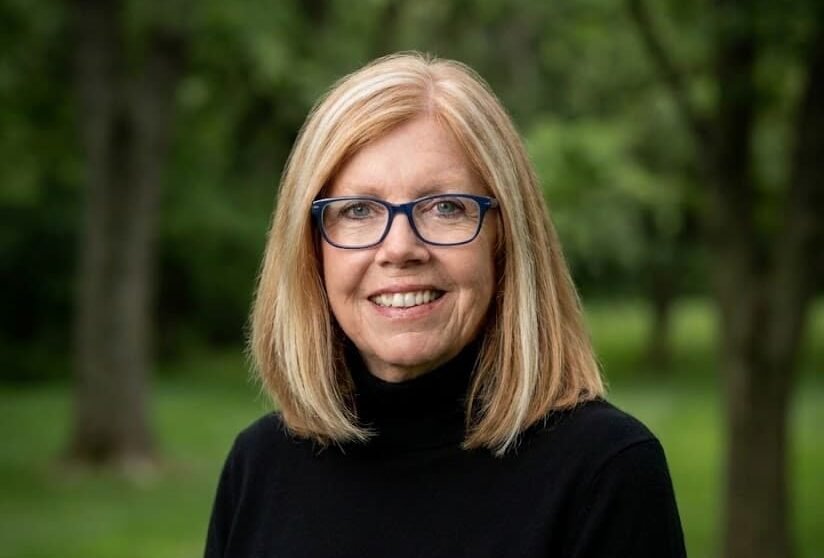
“Our brain does not know how old we are. It ages by the lifestyle that we lead. It is never too late to change your brain.”
– Patricia Faust, MGS
In 2006, at an aging conference in Ohio, Patricia Faust stopped at a booth that would redirect the entire course of her professional life. Posit Science was releasing the Brain Fitness Program, and for the first time in a public forum, a scientific case was being made that the human brain could change. For Patricia, a gerontologist already alarmed by the trajectory of Alzheimer’s statistics, that moment was electric. She had found her life’s work. Nearly twenty years later, she stands as one of the most persistent and purposeful voices in the field of brain health and aging, a specialist who was educating before the world was ready to listen and who has never stopped pushing the conversation forward.
Ahead of the Curve: A Career Built on a Conviction
Patricia’s entry into gerontology was shaped by the same instinct that has defined everything since: the recognition that a crisis was coming and that preparation could not wait. She pursued her Master’s in Gerontological Studies at Miami University in Oxford, Ohio, at a time when Alzheimer’s statistics were already alarming and the boomer generation’s mass entry into vulnerable older age was a mathematical certainty. What she found when she arrived at that Posit Science booth was scientific validation for what she had intuitively understood: the brain was not fixed, and the decline was not inevitable.
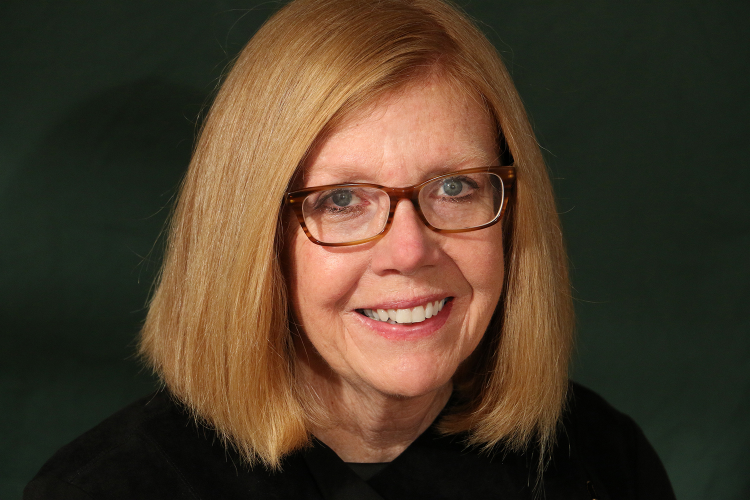
“It Is Never Too Late to Change Your Brain: The Science and the Mission Behind Patricia Faust”
The years that followed were, by her own account, more about education than selling. She was ahead of the curve on brain aging and brain health in an era when the field itself was still taking shape. She kept learning anyway. That decade of deep study produced the expertise that now anchors her work, her platform at MyBoomerBrain, and her focus on what she calls the three interconnected horizons of Brainspan, Healthspan, and Lifespan.
The Cognitive Longevity Gap: Understanding the Crisis We Were Not Prepared For
At the center of Patricia’s current work is a concept she calls the Cognitive Longevity Gap. Over the past century, human life expectancy has extended by approximately thirty years. The brain was never designed to maintain high cognitive function across that additional span of time without deliberate, sustained support. The signs and symptoms of Alzheimer’s and dementia do not appear suddenly in a person’s seventies. The decline that produces them begins twenty years earlier, quietly and gradually, in the forties.
Today, 7.2 million Americans are living with Alzheimer’s disease. The boomer generation, the largest in history, is moving through its most cognitively vulnerable decades simultaneously. The financial and caregiving consequences are staggering. Medicare, Medicaid, and care systems are already straining under the weight of what has arrived, and what is still coming will be significantly larger. Patricia does not describe this as an abstraction. She describes it as a preventable catastrophe that was visible for decades and met with insufficient urgency.

“The signs of Alzheimer’s and dementia do not just pop up in your seventies. The decline starts twenty years before the onset. Our brain depends on a brain healthy lifestyle with added attention starting in the forties.”
Neuroplasticity and Neurogenesis: The Science Behind the Hope
What separates Patricia’s message from a purely cautionary one is its foundation in neuroscience. The brain possesses two extraordinary capacities that most people are never taught about. Neuroplasticity is the brain’s ability to rewire itself in response to learning and stimulation. Neurogenesis is its ability to grow new neurons. Together, they mean that the brain remains changeable throughout life. Every time a person focuses on something new, consistently and with intent, a new neural pathway is formed and strengthened. The brain is literally rebuilt by the life it is asked to lead.
his is the science behind the Brain Healthy Lifestyle that Patricia advocates for so consistently. A novel and complex environment, physical activity, quality sleep, social engagement, stress management, and proper nutrition through a brain healthy diet such as the MIND Diet are not optional wellness additions. They are the inputs that determine cognitive trajectory. She brings this same lens to the workplace, where she has examined how gender differences in brain architecture shape communication and leadership styles, and where she argues that brain health belongs inside every organizational health and wellness program, not as a peripheral benefit, but as protection for an employee’s most essential asset.
Memory Care, Aromatherapy, and the Art of Reaching Someone
Patricia’s work extends into the clinical and sensory dimensions of brain health in ways that reflect her breadth as a specialist. Her early intuition that aromatherapy could address the behavioural challenges associated with dementia proved scientifically sound. The olfactory pathway carries scent directly to the limbic system, where the amygdala processes emotion and memory. Finding the right essential oil for the right person, she says, is both an art and a science, and the results can be remarkable.
Her enthusiasm for emerging memory care innovations is equally genuine. Programs like Memory Lane TV, a streaming service that delivers customized sensory content to memory care residents, represent the kind of thoughtful, person-centred approach she believes the field needs more of. Residents whose circadian rhythms have been disrupted can receive coordinated visual, auditory, and olfactory cues that orient them to the time of day. Sunrise imagery, birdsong, and the scent of bacon frying on a stove combine to communicate morning in a way that reaches people even within significant cognitive decline. Good memory care, she insists, understands how to meet a person where they are.
What Comes Next: Hope as a Strategy
Patricia is clear about where she wants to direct her remaining professional energy. The leading-edge boomers, she observes, largely missed the window during which brain health education could have changed their trajectory. She is not willing to write them off. The brain does not know how old its owner is. It responds to lifestyle at any age. Her mission is to replace the fear that many older adults are experiencing with tools, knowledge, and the genuine hope that change remains possible.
At the community and organizational level, her call is consistent: make brain health education routine, make cognitive screening as normal as hearing assessments, and build the Brain Healthy Lifestyle into health and wellness programming for people in their forties and beyond. The conversation about aging cannot be only about financial cost. It must also be about human potential, and Patricia Faust has spent twenty years making sure that argument has a voice.