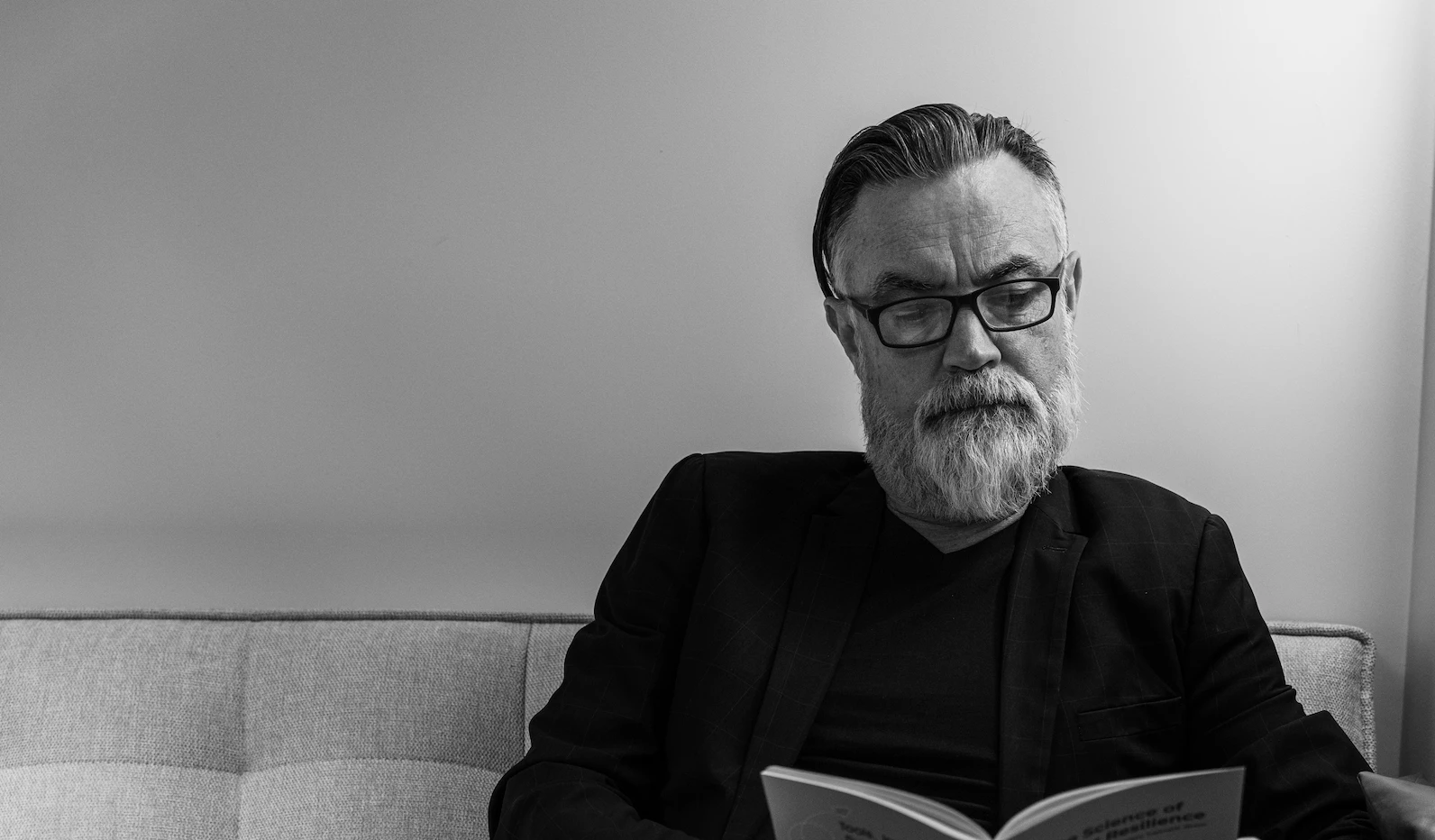
“The wellbeing of students is deeply connected to the wellbeing of the adults around them.”
– Stuart McKenzie
FROM SUPPORTING STUDENTS TO TRANSFORMING SCHOOL SYSTEMS
For decades, educational success has largely been measured through academic outcomes, performance metrics, and institutional achievement. Yet Stuart McKenzie believes the foundation of every thriving school begins somewhere much deeper—the wellbeing of the people responsible for creating those outcomes.
As a registered psychologist who has spent years working alongside schools, leadership teams, educators, and communities, Stuart’s professional journey began with a simple observation. While supporting students experiencing challenges, he quickly recognized that student wellbeing could never be separated from the wellbeing of the adults around them. The emotional health, resilience, and effectiveness of school leaders directly influence the culture, performance, and sustainability of entire educational communities.
This realization gradually shifted his professional focus. Rather than concentrating solely on helping individuals manage stress and adversity, he became increasingly interested in helping schools create environments where resilience, wellbeing, and high performance could emerge naturally. Today, through RSO Consulting, he works at the intersection of psychology, workplace health and safety, leadership development, and organizational culture, helping educational institutions build healthier and more sustainable systems for both staff and students.
THE HIDDEN PRESSURES OF MODERN SCHOOL LEADERSHIP
According to Stuart, the challenges facing educational leaders in 2026 extend far beyond workload alone. The reality is one of increasing complexity, where principals and leadership teams must simultaneously manage student wellbeing, workforce shortages, compliance obligations, parental expectations, staff development, financial pressures, technological change, and a growing range of social issues.
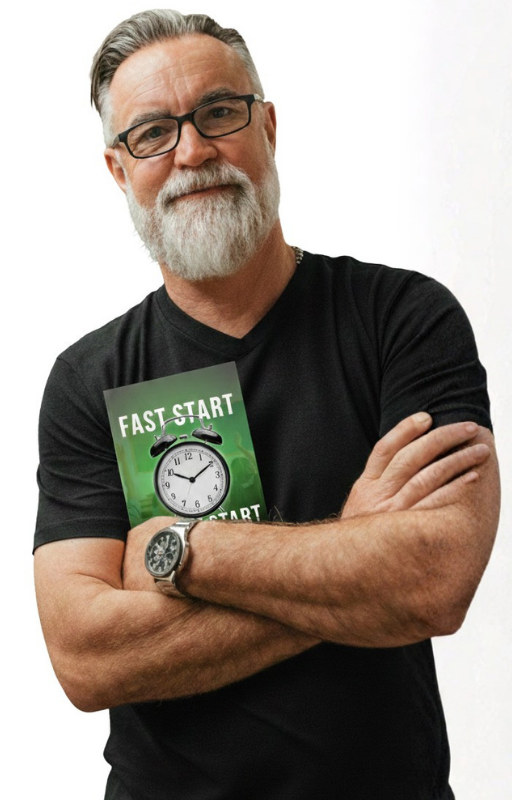
“Building Stronger Schools Through Psychological Safety, Resilience, and Leadership”
The result is a form of chronic role overload that many school leaders experience daily. While expectations continue to rise, the resources available to address those demands often remain unchanged. This imbalance creates significant pressure on leaders who are expected to maintain high levels of performance while navigating increasingly complex environments.
Equally concerning is the rise of what Stuart describes as moral distress. Many educational leaders understand exactly what their students and staff require to thrive, yet they often lack the time, funding, authority, or resources necessary to provide those supports. Over time, the gap between professional values and operational realities can become emotionally exhausting, contributing to burnout, disengagement, and declining wellbeing across the profession.
REDEFINING WELLBEING: FROM INDIVIDUAL RESPONSIBILITY TO SYSTEMIC SUPPORT
One of the most important shifts Stuart advocates for is moving away from the belief that wellbeing is solely an individual’s responsibility. While resilience programs, mindfulness initiatives, and wellbeing workshops all have value, he argues that many organizations overlook the workplace conditions that create distress in the first place.
His philosophy is built around a simple but powerful concept: wellbeing is the balance between challenges and supports. Every workplace contains demands, and challenges themselves are not inherently harmful. In fact, meaningful challenges often drive growth, engagement, and achievement. Problems arise when demands consistently outweigh the resources available to manage them.
“Transforming School Culture by Supporting the People Who Lead It”
Schools that successfully support staff wellbeing are not necessarily those with fewer challenges. Rather, they are the schools that have developed strong systems of support. Leadership accessibility, collegial relationships, psychological safety, professional learning opportunities, mentoring structures, recognition programs, and effective organizational systems all contribute to creating environments where people can flourish despite the pressures they face.
This perspective fundamentally reframes the conversation around resilience. Instead of asking individuals to become tougher, Stuart encourages organizations to become healthier.
BUILDING RSO CONSULTING: WHERE WELLBEING MEETS WORKPLACE SAFETY
The creation of RSO Consulting emerged from Stuart’s observation that two important disciplines were often operating independently of one another. On one side sat workplace health and safety frameworks focused on risk reduction and compliance. On the other sat positive psychology and wellbeing initiatives designed to improve engagement and resilience.
Stuart saw an opportunity to bring these worlds together.
Through a psychosocial risk lens, his work examines the organizational conditions that contribute to stress, burnout, conflict, and disengagement. Excessive workloads, unclear expectations, poor communication, inadequate support structures, workplace aggression, and limited recognition are all examples of psychosocial hazards that can negatively affect staff wellbeing.
Rather than simply helping individuals cope with these challenges, RSO Consulting focuses on identifying and addressing the underlying workplace factors that create them. By reducing harm while simultaneously strengthening resilience, connection, engagement, and psychological safety, schools are able to create more sustainable environments that benefit staff, students, and communities alike.
CULTURE REPAIR AND THE POWER OF PSYCHOLOGICAL SAFETY
Organizational culture is often discussed in broad terms, but Stuart believes culture problems rarely announce themselves dramatically. Instead, they emerge gradually through declining trust, increased cynicism, reduced collaboration, growing staff conflict, disengagement, absenteeism, and a sense that people no longer feel heard.
When these warning signs appear, meaningful culture transformation begins with one critical skill: listening.
For Stuart, effective leaders resist the urge to defend, explain, or immediately solve problems. Instead, they create psychologically safe environments where people feel comfortable sharing honest feedback without fear of judgment or consequences. Once trust has been established, leaders can begin translating feedback into visible action.
This process is essential because trust is built through experience, not intention. Staff members become engaged when they see evidence that their voices matter and that leadership is willing to act on what it hears.
In Stuart’s view, culture does not change because an organization introduces a new vision statement. Culture changes when the everyday experiences of people begin to change.
LEADING THE FUTURE OF EDUCATION
As educational systems continue evolving, Stuart believes the future of leadership will become increasingly human-centered. While artificial intelligence, automation, and digital technologies will undoubtedly transform administrative processes and access to information, they cannot replace the core elements that make schools successful.
Trust, belonging, empathy, judgement, relationships, and meaningful human connection will remain at the center of effective leadership.
He also predicts that psychosocial risk management will become as embedded within educational institutions as physical safety frameworks are today. Future leaders will require a broader skill set that extends beyond curriculum delivery and operational management to include workplace psychology, organizational culture, staff wellbeing, and workforce sustainability.
The schools that thrive over the next decade will be those that successfully balance technological innovation with human connection, creating environments where both people and performance can flourish together.
A LEGACY OF THRIVING COMMUNITIES
At the heart of Stuart McKenzie’s work is a belief that wellbeing and performance are not competing priorities. In fact, they are inseparable.
When people feel psychologically safe, valued, supported, and connected, they become more engaged, more collaborative, and more effective in their roles. They remain committed to their organizations longer, contribute more meaningfully to their communities, and create stronger outcomes for those they serve.
The legacy Stuart hopes to leave is one that helps educational institutions recognize this connection. Rather than relying on individual heroics or expecting leaders to carry overwhelming responsibilities alone, he advocates for healthy systems, strong relationships, shared responsibility, and sustainable leadership practices.
His message to school leaders is both simple and powerful: leadership is not about being the person who holds everything together. It is about creating the conditions where people can thrive together.
When that happens, everybody benefits educators, students, families, and entire communities. And in an increasingly complex world, that may be one of the most important contributions a leader can make.