In a world that moves at lightning speed, where division often drowns out dialogue and conflict overshadows connection, one woman stands at the intersection of artistry and activism, wielding the timeless power of opera as an instrument of peace. Julia Lagahuzere has spent her life in the world’s most prestigious opera houses, but it is beyond those gilded walls where her most transformative work now unfolds.
After a distinguished career that took her from the hallowed halls of Opéra de Paris to stages across continents, Julia made a decision that would redefine not only her own trajectory but also the lives of countless artists worldwide. She founded Opera for Peace, an organization born from a simple yet profound realization: the same music that moves hearts in concert halls could also bridge divides, create opportunities, and inspire a generation of artists to become ambassadors for change.
“I have witnessed firsthand the power of music to move hearts, unite people, and transcend differences,” Julia reflects. “That same power, I realized, could be harnessed to inspire social change, create equal opportunities, and shape artists into role models for the next generation.”
Over six years, Opera for Peace has evolved in structure, scope, and economic model, adapting to a rapidly changing world. Yet its core vision remains steadfast: to use the transformative force of opera as a bridge for peace, understanding, and empowerment.
THE POWER OF UNIVERSAL LANGUAGE
Julia’s philosophy rests on a fundamental belief that in our fragmented, fast-paced modern world, we desperately need moments that remind us of our shared humanity. Opera and classical music, she argues, serve as anchors in the storm.
“Opera and classical music ground us; they connect us with the past, illuminate the present, and project our collective hopes for the future,” she explains. “They remind us that human emotions and experiences are universal, no matter the era or culture.”
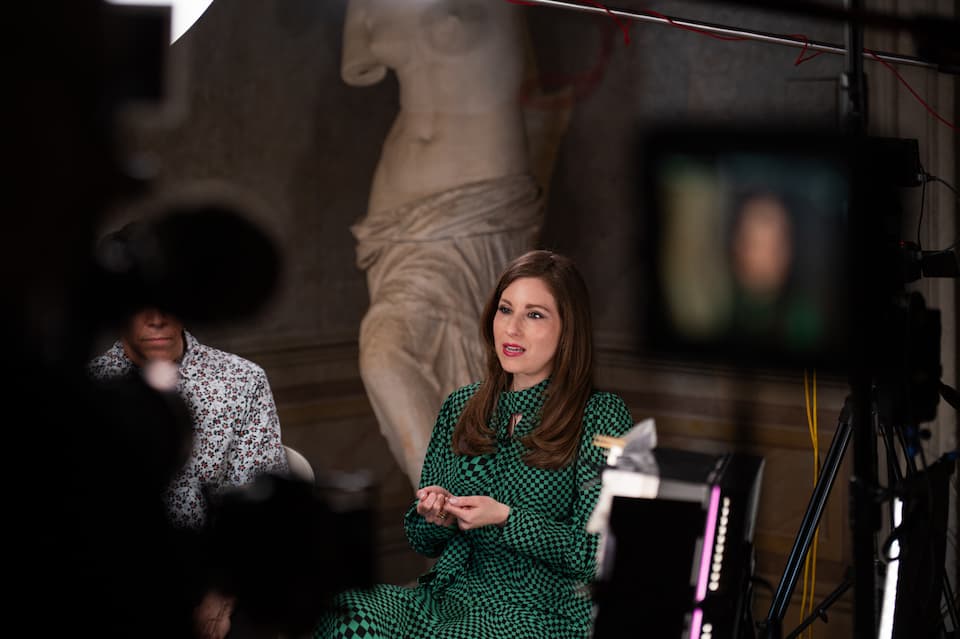
“Be courageous, and never stop believing in yourself and in others. It may sound idealistic, but miracles really do happen when you’re fully focused and aligned with your purpose. The world needs strong women with open hearts and the courage to create change.”
This is not the voice of a traditionalist clinging to the past. Rather, it is the conviction of a visionary who understands that opera’s strength lies in its timeless human stories, while its survival depends on relevance. At Opera for Peace, the balance between preserving classical traditions and embracing modern innovation is not a tension to be managed but an opportunity to be seized.
“We honor tradition while embracing innovation through digital platforms, new works, and inclusive narratives,” Julia notes. “We encourage young artists to respect the past but also to use their voices to reflect today’s realities and tomorrow’s possibilities.”
A GLOBAL TAPESTRY OF INFLUENCE
Julia’s leadership has been shaped by a life lived across borders. Through courage, curiosity, and perseverance, she has worked in multiple countries throughout her studies and career, each experience expanding her perspective and deepening her understanding of cultural nuance.
Her British, Canadian, and French heritage creates a unique lens through which she views the world, one characterized by openness of mind and heart. This global sensibility is not merely biographical detail but the foundation of her leadership philosophy.
At Opera for Peace, this international perspective becomes organizational DNA. The team reflects a truly global spirit, with members from Lebanon, Spain, the USA, India, China, France, Argentina, and Switzerland. Though Paris is home, Julia admits that Italy has become the place where she feels most herself, “where beauty, emotion, and collaboration come together naturally.”
This multicultural fluency enables Julia to navigate the complex landscape of international cultural diplomacy with both sensitivity and boldness. She leads an organization that doesn’t simply operate across borders but actively works to dissolve them through the universal language of music.
RECOGNITION AND RESPONSIBILITY
Being named Femme d’Influence, Femme de Culture, and receiving the distinction of Chevalière de l’Ordre des Arts et des Lettres represents more than personal achievement for Julia. These honors carry weight on both personal and professional levels.
“It is a profound honor to be recognized publicly for one’s life mission,” she acknowledges. “On a personal level, it brings a sense of fulfillment that balances the immense sacrifices, risks, and determination required to build an organization from the ground up.”
But recognition also amplifies reach. These distinctions create opportunities to engage wider audiences, attract new allies, and forge partnerships with sponsors who share the vision of culture as a catalyst for peace. For Julia, accolades are tools, not trophies. They serve the mission by opening doors that might otherwise remain closed.
MOMENTS THAT MATTER
Among the many projects that have defined Opera for Peace’s journey, one stands out as particularly meaningful. Donne per la Pace / Women for Peace, created and presented at Palazzo Farnese, the Embassy of France in Italy, with the generous support of BNP Paribas, brought together artists and voices from across cultures to celebrate the strength, resilience, and creativity of women through music.
“It was a vivid reminder that music transcends language and nationality,” Julia recalls. “It speaks directly to the soul and can be a true catalyst for peace.”
Equally powerful was the collaboration with the Women, Life, Freedom movement, uniting artists from across the world in solidarity with Iranian women and their fight for freedom. This initiative demonstrated the unique capacity of the arts to give voice to movements and struggles that transcend geography.
The partnership in South Africa holds special significance for Julia, whose family comes from Cape Town and contributed to the fight for freedom and the abolishment of apartheid. “Cultural exchange transforms both the artists and the audiences,” she observes. “Each initiative reaffirms that when art crosses borders, it opens hearts and strengthens communities.”
LEADING WITH CONVICTION IN UNCHARTED TERRITORY
Julia’s journey into leadership was not a smooth ascent but a leap into the unknown. When she created Opera for Peace, she had never spoken in public, raised funds, or carried full responsibility for a team and a global network of artists. The transition required nothing less than personal transformation.
“I had to find confidence even when I didn’t feel it,” she admits, “and to unlearn the notion of being the ‘elegant woman who stays in her place.’ It took years of stepping outside my comfort zone, but today I lead unapologetically and with conviction.”
This candid reflection reveals the courage required to challenge not only external barriers but internal ones. For Julia, real growth begins where fear ends. This philosophy now informs how she mentors emerging artists and cultural leaders worldwide.
Her leadership principles center on inspiration, empathy, and conviction. Mentorship sits at the heart of Opera for Peace’s philosophy, helping others discover and fulfill their potential. “I believe deeply in leading by example,” Julia explains, “in the idea that beauty, art, and culture are not luxuries but essential forces for positive change in the world.”
MEASURING WHAT MATTERS
In an era obsessed with metrics and data points, Julia has developed a more nuanced understanding of impact. While the growing number and diversity of artists Opera for Peace supports each year provides quantitative evidence of reach, the true measure lies in transformation.
“What matters most is watching our artists build meaningful careers, share their voices globally, and become role models who, in turn, inspire others,” she explains. “That ripple effect is where true change begins and is very exciting because it means we are reaching our goals.”
This approach to impact reflects a broader philosophy about sustainable change. Opera for Peace focuses on partnerships, education, and long-term vision rather than one-off events. “Sustainability comes from building ecosystems,” Julia notes, “connecting artists, institutions, and communities in ways that continue to bear fruit long after the curtain falls.”
EQUITY AS DAILY PRACTICE
Fairness and equity are not abstract values at Opera for Peace but concrete operational principles. The organization recruits and collaborates based on talent, integrity, and shared values, deliberately rejecting privilege or background as determining factors.
“Equity for us means ensuring everyone has access to the same opportunities and being intentional in the partnerships we create,” Julia explains. “Inclusion isn’t just a value, it’s our daily practice.”
This commitment extends to Julia’s vision for the broader arts sector. She believes the creative industries can better support gender equality and social progress by creating structures that elevate women’s voices at every level, from performance to governance.
“True equality comes when women are not just represented but are shaping the narrative, leading institutions, and defining what excellence means on their own terms,” she asserts.
SAFEGUARDING PROGRESS IN UNCERTAIN TIMES
Julia observes that the opera world has made enormous strides toward diversity and inclusion based on talent, enriching the art form immeasurably and bringing in new audiences. However, she remains acutely aware of the fragility of progress.
“The challenge now is to safeguard these gains in a world where social and cultural progress can sometimes feel fragile, especially amid threats to public funding,” she cautions. “We must stay vigilant, creative, and collaborative to keep the arts truly representative of humanity.”
This vigilance extends to how Opera for Peace mentors emerging artists. The organization connects them with established professionals, offering not only training but also guidance on leadership, communication, and responsibility as citizen artists and cultural ambassadors.
“We teach them to view their careers not just as artistic journeys but as platforms for positive global impact,” Julia explains. This holistic approach to artist development reflects her belief that the next generation must be equipped not only with technical skills but with a sense of purpose and social responsibility.
TECHNOLOGY AS AMPLIFIER, NOT REPLACEMENT
In an age of digital disruption, Julia maintains a balanced perspective on technology’s role in the performing arts. She sees digital innovation as a powerful tool for accessibility, allowing Opera for Peace to reach new audiences, provide training across borders, and tell stories in new ways.
“But it should never replace the human connection at the heart of live performance,” she emphasizes. “It should amplify it.”
This philosophy guides how Opera for Peace integrates digital platforms while preserving the essential magic of live performance. Technology becomes a bridge, not a substitute, enabling connection without diminishing the irreplaceable experience of witnessing artistry in person.
ARTISTS AS TRUTH TELLERS
Julia believes the arts can contribute meaningfully to addressing global challenges such as climate change, migration, and social justice precisely because artists have always served as truth tellers, holding up mirrors to society.
“The arts can humanise statistics, give voice to the voiceless, offer a platform and awaken empathy where politics often fails,” she argues. “Through storytelling, collaboration, and education, culture can shift perceptions and inspire collective action.”
This conviction is reflected in the initiatives Opera for Peace undertakes. Whether partnering with movements for freedom, creating platforms for cultural exchange in post-conflict regions, or elevating voices that mainstream institutions overlook, the organization operates from a belief that art is not decoration but diplomacy in action.
Among the global cultural trends Julia finds most inspiring is the resurgence of cultural diplomacy, with artists using their platforms to promote understanding and peace, alongside the renewed focus on sustainability and inclusion within the arts.
“The creative sector is realizing that beauty and responsibility can go hand in hand,” she observes.
SUSTAINING INSPIRATION ACROSS CONTINENTS
Managing a demanding international schedule while maintaining creative inspiration requires intentional practices. For Julia, reading provides essential reflection time, especially during flights when she can finally disconnect. She draws energy from diverse musical genres including jazz, rap, blues, house, and electronic music, from nature, from running and swimming in the sea, from beautiful places, and from meaningful encounters with people who believe in the work.
“Inspiration is everywhere if you stay open to it,” she notes simply.
This openness characterizes not only how Julia sustains her own creativity but how she approaches leadership itself. She remains receptive to new ideas, unexpected collaborations, and the wisdom that emerges from truly listening to the artists and communities Opera for Peace serves.
A GUIDING PHILOSOPHY FOR TURBULENT TIMES
When asked about the personal mantra that continues to shape her journey as a leader and innovator, Julia’s response captures the essence of her resilience and determination.
“Keep the faith, even in moments of uncertainty, struggle, disappointment, or often, exhaustion,” she says. “Nothing truly worthwhile is ever easy, but the beauty that comes from perseverance is more powerful than anything else we can experience.”
This philosophy has carried her through the challenges of building an organization from the ground up, navigating funding uncertainties, and maintaining vision during global disruptions. It is also the wisdom she shares with young women aspiring to become leaders in the arts and culture sector.
“Be courageous, and never stop believing in yourself and in others,” Julia advises. “It may sound idealistic, but miracles really do happen when you’re fully focused and aligned with your purpose. The world needs strong women with open hearts and the courage to create change.”
A VISION THAT EXTENDS BEYOND STAGES
Looking ahead, Julia’s ambitions for Opera for Peace remain both ambitious and grounded in practical expansion. The organization aims to continue growing its Opera for Peace Academies worldwide, creating new platforms for dialogue, training, and artistic excellence across continents.
But Julia’s broader vision extends beyond organizational growth. She envisions a future where culture is recognized not as decoration but as diplomacy in action, a powerful tool for peace, understanding, and human progress.
This vision challenges funding models that treat the arts as optional luxuries rather than essential infrastructure for healthy societies. It calls for institutional commitment to the kind of long-term investment required for cultural initiatives to flourish and create lasting change.
THE LEGACY OF PERSEVERANCE
Julia Lagahuzere represents a new generation of cultural leaders who refuse to accept the false choice between artistic excellence and social impact. Her career demonstrates that opera, often perceived as elitist or inaccessible, can become one of the most democratic and transformative forces for global good when guided by vision, equity, and unwavering commitment to human dignity.
Through Opera for Peace, she has created more than an organization. She has built an ecosystem where emerging artists from diverse backgrounds can develop their talents while learning to use their voices for positive change. She has forged partnerships that transcend traditional boundaries between art and activism, performance and policy, beauty and justice.
Her journey from the grand stages of international opera houses to the frontlines of cultural diplomacy illustrates a profound truth: the most meaningful leadership often emerges not from staying in comfortable roles but from venturing into uncharted territory with courage and conviction.
As threats to cultural funding, social progress, and international cooperation mount globally, leaders like Julia provide essential models for how the arts can respond with both resilience and relevance. Her example shows that maintaining faith in beauty and humanity, even during moments of uncertainty and exhaustion, is not naive idealism but radical pragmatism.
The artists Opera for Peace mentors will carry forward not only refined technique but a sense of responsibility as cultural ambassadors. The partnerships the organization forges will continue generating ripples of understanding across borders long after specific projects conclude. The vision Julia champions, of culture as essential infrastructure for peace, will gradually reshape how societies value and support the arts.
In a world desperately seeking connection, Julia Lagahuzere has dedicated her life to proving that the path forward lies not in building walls but in creating harmonies. Through opera, through mentorship, through tireless advocacy for equity and excellence, she conducts a symphony of change that grows louder and more beautiful with each passing year.
“If the world needs anything now,” Julia reflects, “it is strong women with open hearts and the courage to create change.” In embodying this conviction, she has become not only an influential leader but a source of inspiration for everyone who believes that art, at its finest, makes us more fully human.