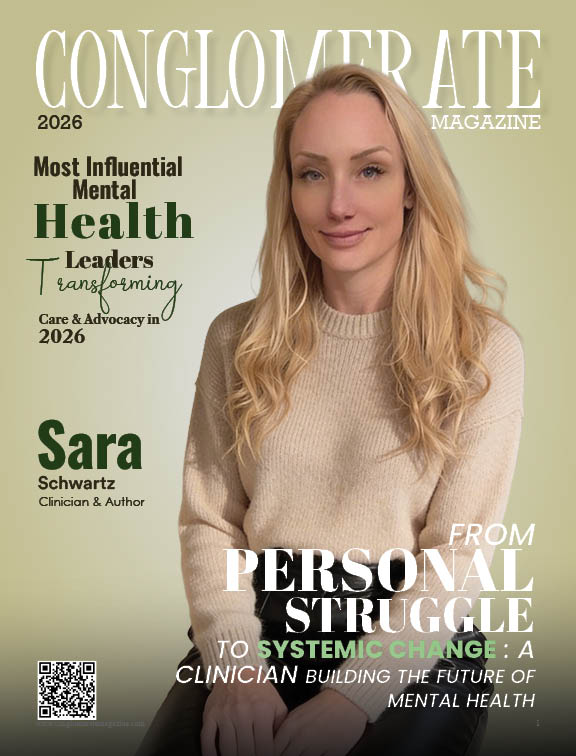
Most Influential Mental Health Leaders Transforming Care & Advocacy in 2026
Mental health leadership today demands far more than clinical expertise. It requires courage to confront stigma, innovation to address systemic gaps, and compassion to transform personal experience into meaningful advocacy. In this special edition, Most Influential Mental Health Leaders Transforming Care & Advocacy in 2026, we are honored to feature Sara Schwartz, a clinician, author, and visionary advocate whose work is reshaping how mental health care is practiced, taught, and understood.
On Cover
Sara Schwartz
Clinician & Author
In a field where compassion is currency and resilience is the foundation of every breakthrough, Sara Schwartz stands apart. A licensed professional counselor, published author, clinical supervisor, and entrepreneur, Sara has spent the better part of a decade building something rare in the mental health space: a career that is simultaneously deeply personal and systemically transformative. Her journey is not one of straight lines and easy answers. It is a story of adversity converted into advocacy, of gratitude channeled into action, and of a woman who decided that paying it forward was not just a gesture but a life’s mission.
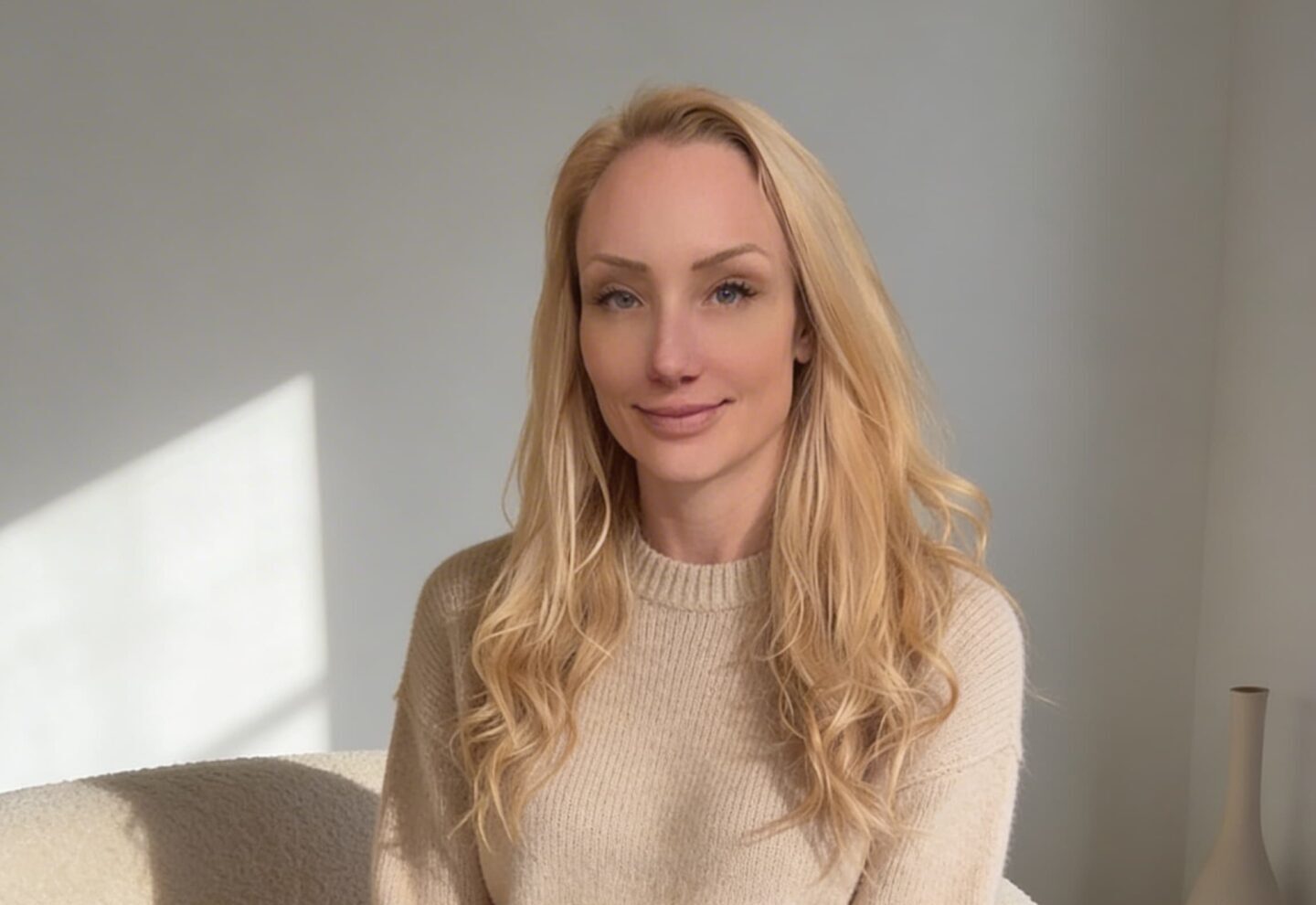
Dr Sam Mishra (h.c)
Owner at The Medical Massage Lady
In the landscape of trauma recovery and holistic healing, few practitioners embody the transformative power of lived experience quite like Dr Sam Mishra. Her journey from surgical nurse and midwife to becoming one of the UK’s leading trauma recovery specialists represents more than a career pivot; it reflects a profound understanding that our deepest wounds can become our greatest gifts to humanity.
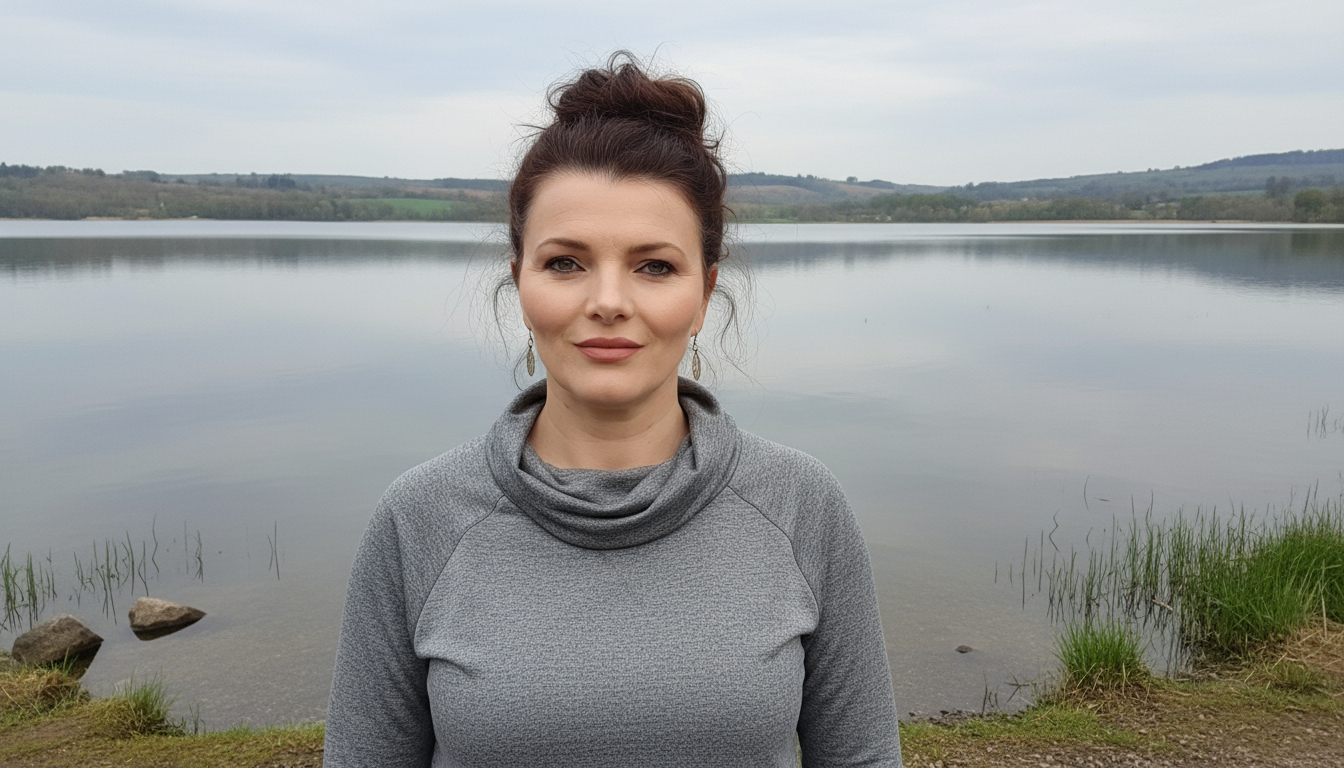
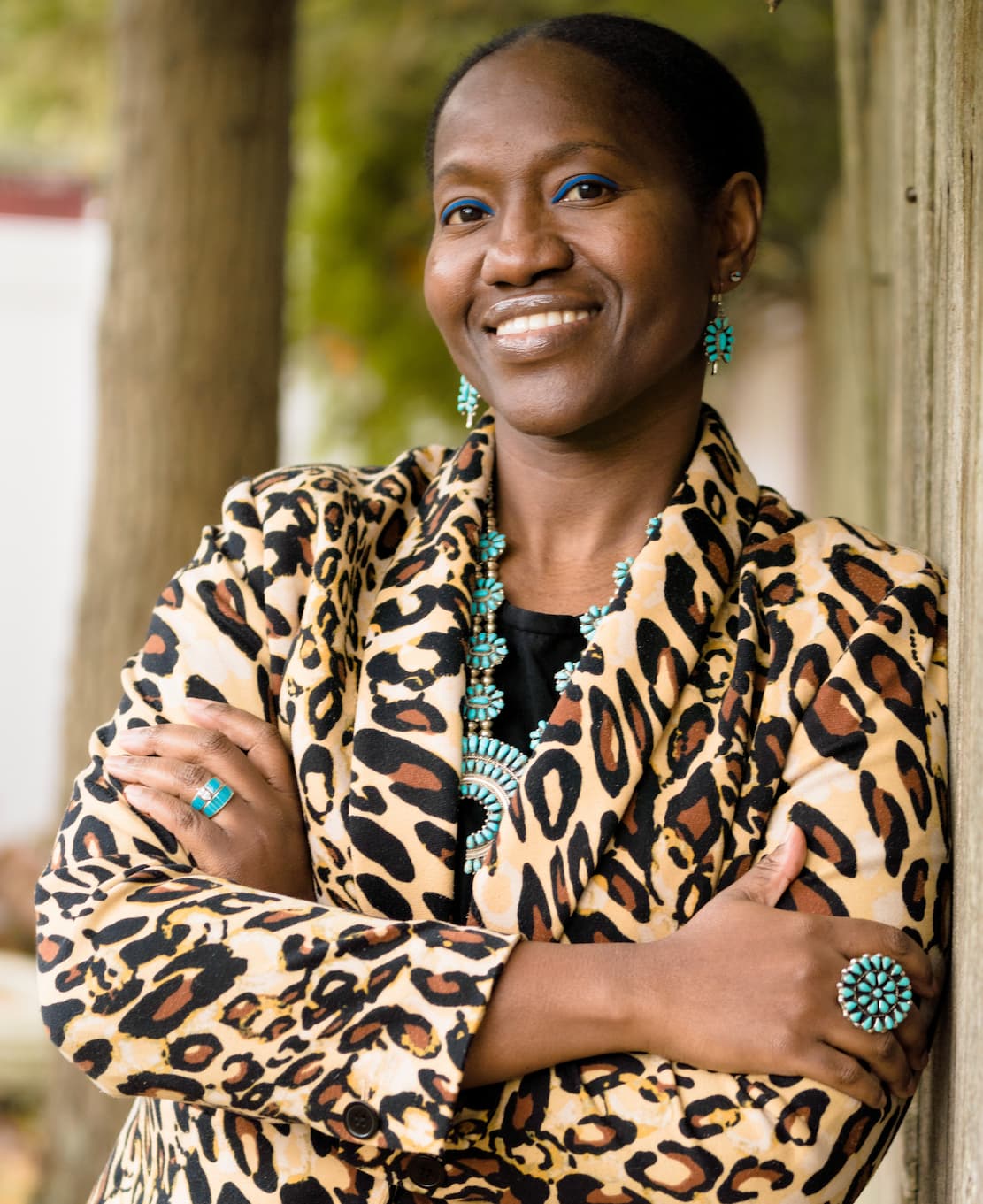
Dr. Sola Togun-Butler
Founder, CEO, Psychotherapist, & Coach
In a medical practice in Nigeria, where two doctors opened their doors to everyone regardless of their ability to pay, a young girl watched her parents rewrite the rules of healthcare. Her father, a psychiatrist, spoke openly about mental health in a society where such conversations were taboo. Her mother, a general practitioner, treated patients with dignity even when payment never came. These were not occasional acts of charity but the daily rhythm of a household where service was as natural as breathing.