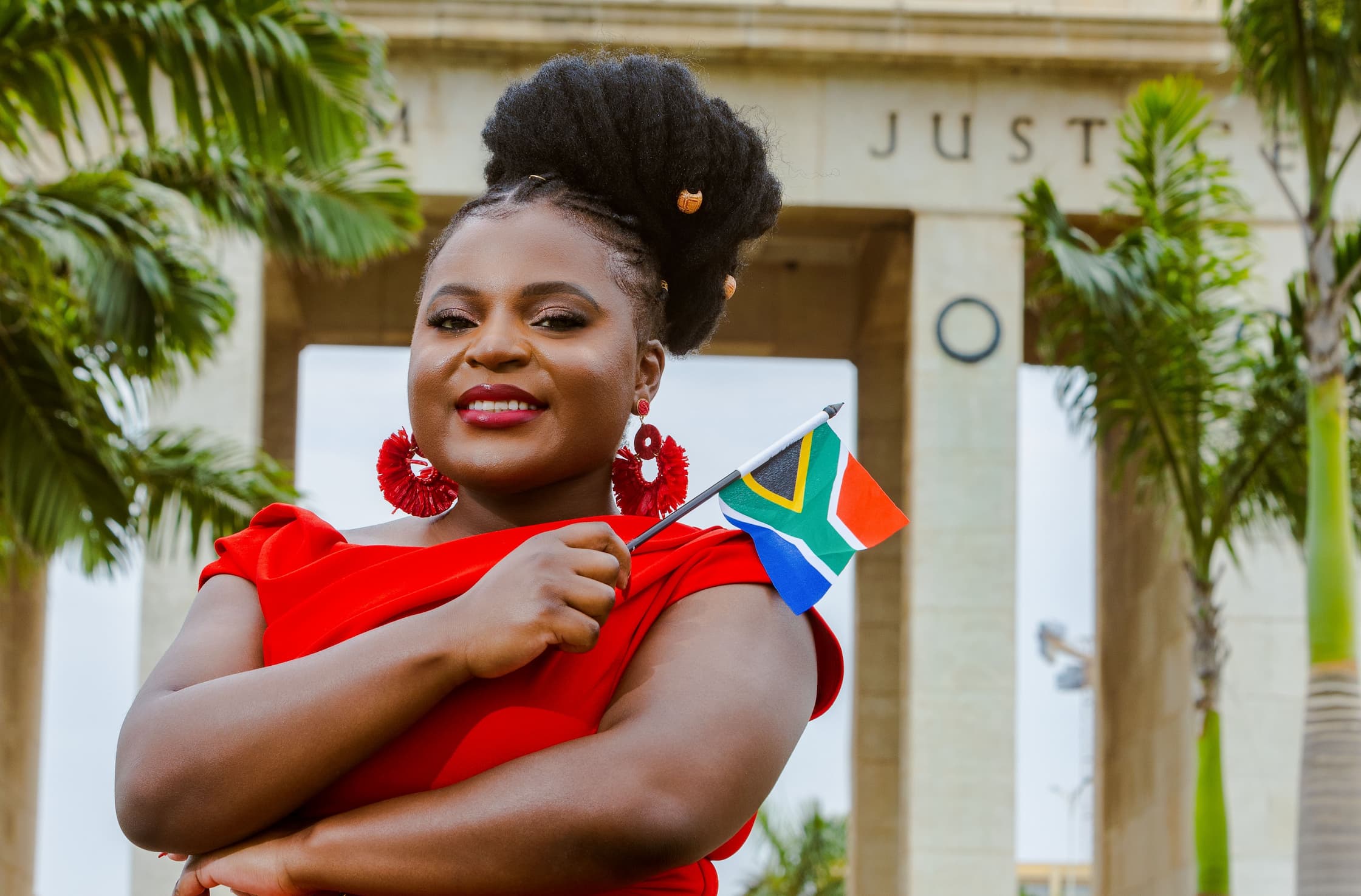
“strive to contribute to the advancement of neuroethics in Africa in ways that honour African values and serve”
–Dr. Olivia Matshabane
The Birth Of An African Neuroethics Pioneer
In the small village called eNqgele, near eDikeni (Alice) in the Eastern Cape Province, South Africa, is where Dr. Matshabane was born and raised in a traditional Xhosa home by her grandparents. In Ngqele is where she spent her first 1000 days – which developmental psychologists emphasize to be a critical phase of a child’s life, as the things that occur to and around the child significantly influence the child’s brain, body and emotional development. During this developmentally critical phase, Dr. Matshabane was surrounded by not only her grandparents, but also the warm Ngqele community members who from a young age modelled African values of Ubuntu. Later, Dr. Matshabane moved to Cape Town, South Africa – which is an urban city. This is where she was privileged to attend well-resourced schools and later, it is where she pursued her undergraduate and graduate training in psychology, medicine and ethics. Stemming from village roots – not many would have expected that Dr. Matshabane would go on to lead and influence the global conversation around neuroethics and African perspectives in science, in the ways that she has.
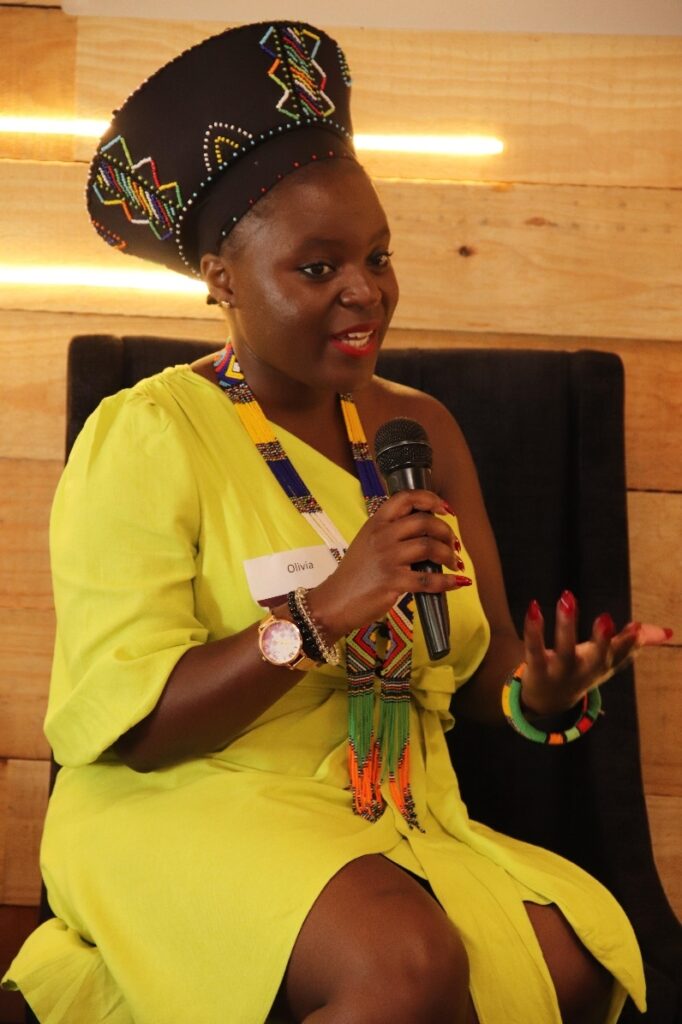
Looking back, Dr. Matshabane’s journey from a rural South African village to becoming one of the world’s leading voices in neuroethics represents more than personal achievement; it embodies the isiXhosa maxim that remains foundational for her life, which is “umntu ngumntu ngabantu”, meaning ‘a person is a person because of other people’. In her case, the people who have had a significant impact on her life journey, are her family, community as well as the role models and mentors she has crossed paths with.
On the latter she says: “it is the role models and mentors that I have been so privileged to know, who have deeply influenced my purpose-driven leadership approach. Now, working alongside the talented team members in the Africa Neuroethics Research Group, I am always curious and asking questions, both out loud and internally, about what steps we can take that involve everyone growing in ways that they wish to grow, in order to be even better contributors to the improvement of brain and mental health science in Africa – which is really at the core of the neuroethics work that we do”.
The Academic Architect: Building Bridges Across Disciplines
Dr. Matshabane’s academic journey reads like a carefully orchestrated symphony of interdisciplinary excellence. From her undergraduate studies in psychology at the University of the Western Cape to her graduate studies at Stellenbosch University and then her doctor of philosophy degree in medicine at the University of Cape Town, each step has been aligned in ways that uniquely position her as a rising star – empowered to contribute to the mission of advancing ethical neuroscience and equitable access to effective brain and mental health interventions in Africa and globally.
Upon completing her Ph.D. in 2019, Dr. Matshabane became the youngest female on record to graduate with a Ph.D. in Medicine from the University of Cape Town. An achievement she reached while also balancing being a single-mother to her then five-year old son. Her research, under the supervision of a global leader in bioethics – Professor Jantina de Vries and respected counselling psychologist – Professor Megan Campbell – explored the impact of a genetic explanation for disease among South African Xhosa people with schizophrenia and rheumatic heart disease. Dr. Matshabane proudly reflects on that journey, saying her supervisors guided her with excellence, empathy, trust, kindness, approachability, and grace throughout her training. She says, “to this day, they represent the kind of supervisor I aspire to be”.
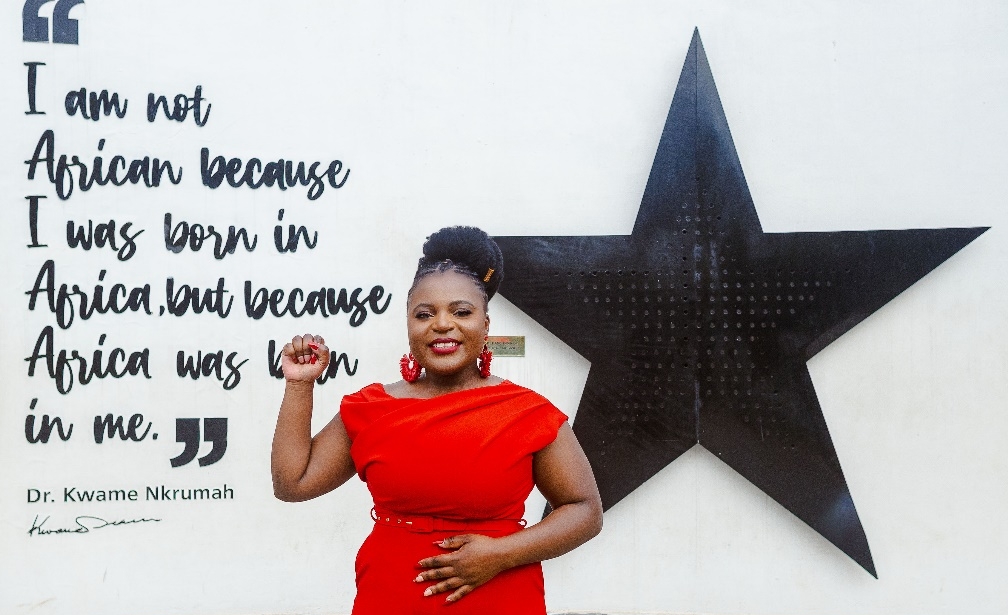
Looking back at why she went on to pursue a career in neuroethics, she says: “I was trained in psychology and ethics – so along my doctoral journey – I discovered there was a field called neuroethics. I did my research on the global neuroethics community however, and at that stage I did not find a single African neuroethicist. So I wrote a letter to the Lancet journal, eBiomedicine, titled “Promoting diversity and inclusion in neuroscience and neuroethics” as a call for action by the neuroethics community, to take diversity and inclusion seriously. I also decided then that instead of just writing and speaking about this issue, I would become a neuroethicist”, Dr. Matshabane explains. “Neuroethics is a discipline which merges both brain science as well as ethics in unique yet important ways, in order to ensure that we have ethical innovations in neuroscience.” It explores the ethical, legal, social, cultural and philosophical implications of neuroscience. As neurotechnology and artificial intelligence-driven brain and mental health interventions are being introduced, we must have African scientists and professionals who are carefully thinking about the ethics – and this is what members of my team and I, together with other colleagues in Africa have gone on to contribute to.
The APTI project holds particular significance as it emphasizes diversity and inclusivity through efforts to incorporate perspectives not only from South Africa and Kenya, but also from a wide range of African countries. “The deliberative approach that we use recognizes that effective neuroethics guidelines must be iteratively co-created by diverse individuals, for them to be culturally relevant and contextually appropriate for the communities they are designed serve” – she emphasized.
Global Leadership With African Values
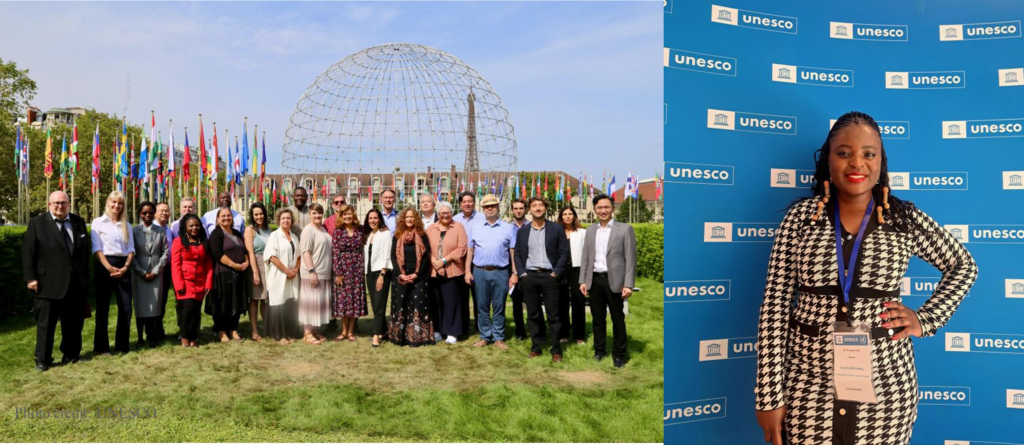
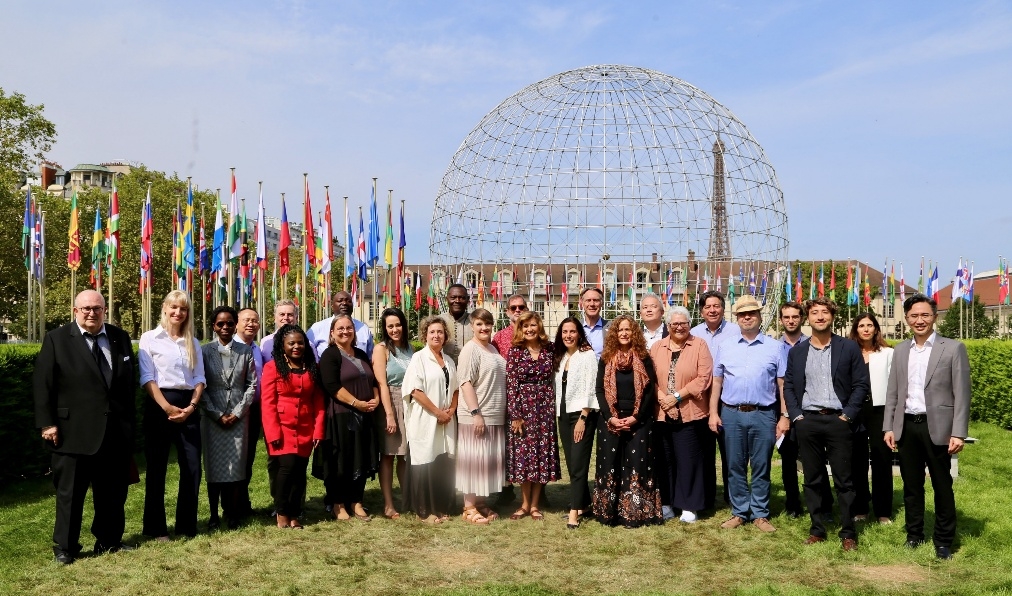
Dr. Matshabane’s influence extends far beyond the academic realm through her involvement in prestigious international organizations. She served as one of 24 global leaders appointed by the former UNESCO Director General, Audrey Azoulay, to the UNESCO Ethics of Neurotechnology Ad Hoc Expert Group. This group produced a draft recommendation on the ethics of neurotechnology, which was informed by the public and Member states governmental officials. It was effectively adopted in November 2025 at the UNESCO Conference in Hafganistan. Dr. Matshabane was involved in both the drafting of the recommendation and the consultation process with several African country’s scientists and governments.
Pioneering African Voices In Global Neuroethics
Dr. Matshabane’s work at Stellenbosch University has become a beacon for African representation in global neuroethics discourse. Her research group within the Department of Psychiatry partners with African colleagues, including through a Pan-African women led’ collaborative-partnership on a project with Dr. Mary Bitta from the Brain and Mind Institute at Aga Khan University in Kenya, to conduct groundbreaking research that centers lived experience individuals of mental health and neurological conditions, scientists, policymakers, community members and traditional healers views on neuroethics in South Africa and Kenya. Dr. Bitta leads a dynamic team in Kenya that conducts the research in Kenya. This specific project is supported by an African Academy of Sciences and Bill and Melinda Gates Foundation APTI Grant awarded to Dr. Matshabane, which contributes to the establishment of Africa-specific neuroethics guidelines. Through the Africa Neuroethics Research Group, Dr. Matshabane currently supervises three Master’s Neuroscience students at Stellenbosch University. “When I see our students and trainees lead neuroethics presentations at major national and international conferences, I am profoundly proud because I know that through them, Africa is represented in the global neuroethics discourse”.
Her membership in UNICEF’s Expert Advisory Group on Ethics of Neurotechnology in Children and her role as the only African member among 20 global leaders within the World Economic Forum’s Future Council on Neurotechnology demonstrate her unique position in global neuroethics leadership.
In these international forums, she consistently advocates for the inclusion of African values and principles. Her approach is grounded in the belief that Africa has significant contributions to make to global discourse. Drawing inspiration from Steve Biko’s words, she notes: “The great powers of the world may have done wonders in giving the world an industrial look, but the great gift still has to come from Africa – giving the world a more human face.”
These collaborative spaces are set to produce tangible outputs for humanity, including UNESCO’s Recommendation on the Ethics of Neurotechnology, which as a progressive instrument, could inform local policy on neurotechnologies globally. Following this very important step, Dr. Matshabane’s research recognizes the need to expand these guidelines to ensure that they are contextually and culturally relevant to African communities.
Description automatically generated
Defining Neuroethics For The Future
Dr. Matshabane’s explanation of neuroethics reveals her deep understanding of its implications for human dignity and social justice. “Neuroethics is pivotal in influencing our views on humanity and the effects of neurotechnologies on individuals, communities, and society as a whole,” she explains.
Involving communities in culturally aligned ways, her vision for neuroethics extends beyond theoretical frameworks to practical applications that ensure just access to both neurotechnologies and information about advancements in neuroscience, neurotechnologies and neuroethics. She emphasizes that effective neurotechnologies must be ethically and fairly distributed, ensuring that they are accessible not only to those in affluent settings but also to individuals in remote African villages – like the one she is from – in so doing, creating opportunities for people to access potentially lifesaving neurotechnologies regardless of geographic or economic circumstances. “This is what my colleagues in bioethics call, distributive justice”, she says. Both justice and freedom are crucial principles to hold onto as the advancements in neuroscience, artificial intelligence and their intersections continue. As a South African Black woman born and living in a country with a painful history of apartheid and colonialism – freedom and justice are two principles she fundamentally believes in.
Empowered Women Empower Women: Inspiring A Community Of Women Trailblazers
Beyond her specific contributions to neuroethics, Dr. Matshabane’s vision encompasses inspiring community among women trailblazers across Africa and globally. This aspect of her societal leadership role recognizes that sustainable change requires not just individual excellence but collective action and mutual support among women leaders. “We certainly need more women leading on the tables that influence the scientific agenda in (and for) Africa”, she says.
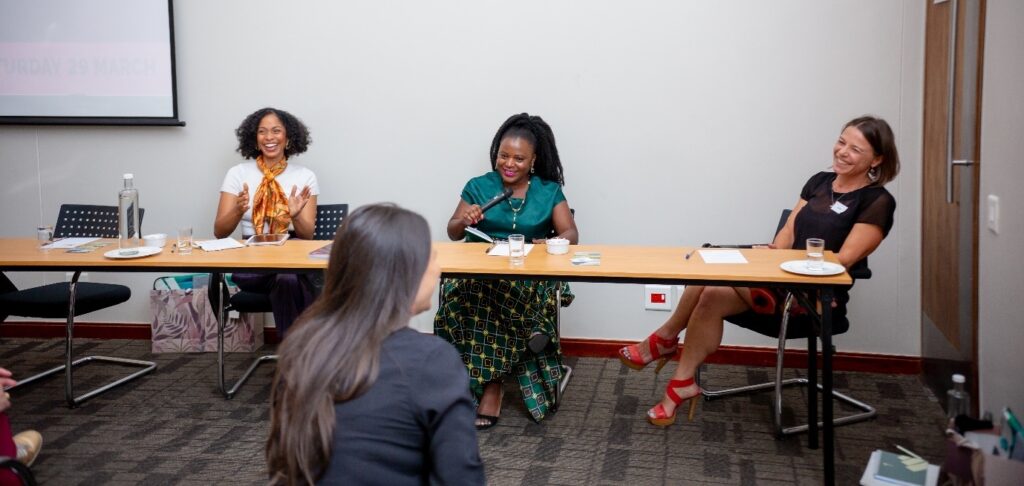
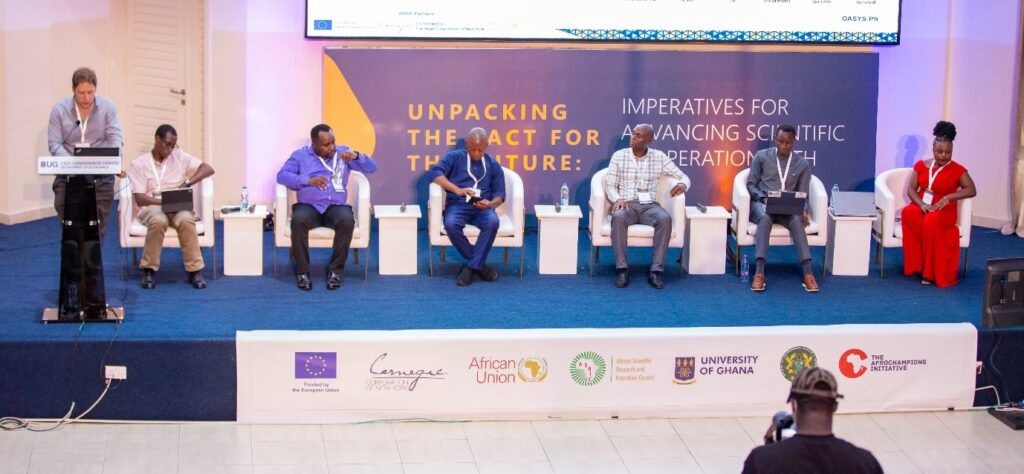
“I often find myself in panels and rooms where I am the only woman. This can’t be the reality in 2026. We need to commit ourselves to gender equality. When I get the opportunity to be in a room full of powerhouse women, I am grateful for it, because I know that I will walk away inspired and affirmed by the wisdom of women leaders
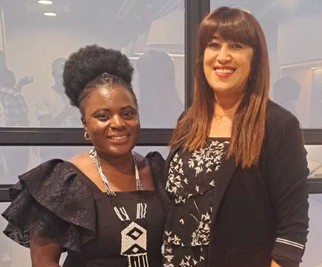
who are doing excellent and important work in the world”. She goes on to share, “One of the most recent opportunities was during the Stellenbosch Women Alumni Network (SWAN) 2025 International Women’s Day Event at Stellenbosch in South Africa, where I was honoured to be invited as a speaker on a ‘Women’s Wellness’ panel together with incredible women (Roxanne Botman and Santie Gouws). I emphasized that, as women we need to 1) know that we deserve the roles awe are in; 2) take care of ourselves by practicing both self-care and community-care in order to be our best selves and to fully show up for the roles that we hold at work, at home and in our communities, and finally, 3) to celebrate ourselves because we deserve to be celebrated”. For African women in science, she recommends finding three crucial elements: a mentor, an advocate, and a community of trusted peers.
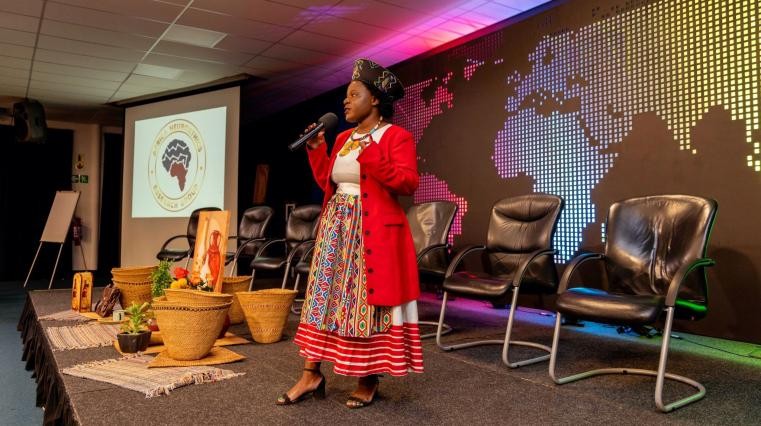
In alignment with Dana Foundation’s NextGen’s vision, the course has three goals, referred to as “the 3 E’s” by the team, which are to 1) Enhance knowledge on neuroscience and neuroethics in African society and globally; 2) Empower the next generation of emerging African scholars with the ability to identify, critically analyze and reflexively approach complex neuroscientific issues that warrant neuroethical reflections on their impact in Africa and globally and 3) Expand African representation in the fields of neuroscience and neuroethics by the year 2040.
“What has been incredibly special for me about this short course, in addition to the brilliant fellows, is the opportunity to work with our collaborators from Stellenbosch University, Duke University, University of Witwatersrand, University of KwaZulu-Natal and the University of British Columbia. I learn so much from them and this experience.” For this short course specifically, her mentor and co-lead Professor Seedat said in an article for the Dana Foundation “Within the next year, we envision the program establishing a strong foundation as a leading platform for neuroethics training on the continent”. Looking to the future, she foresees the program expanding continent- wide, becoming a national hub for neuroethical education and dialogue grounded in societal considerations. In five years, “we aim to have an expanded network of alumni who are leading neuroethics research, integrating ethical reflection into neuroscience practice, and influencing national and regional frameworks,” Seedat said. These fellows, together with members of the Africa Neuroethics Research Group, and other exceptional emerging African scholars in neuroethics, are promising contributors to the broader mission of ensuring African perspectives are integrated into global neuroethics discourse.
I have seen how possibility turns into reality–when women lead
Legacy Building
Dr. Matshabane is co-leading an initiative, together with her mentor, Professor Soraya Seedat – a world- renowned leader in psychiatry and Executive Head of the Department of Psychiatry at Stellenbosch University – and a team of colleagues in South Africa and abroad, called the African Neuroscience Neuroethics and Society Short Course. This Dana Foundation-funded short course is based in the Department of Psychiatry at Stellenbosch University.
Dr. Matshabane says. “This is a programme we are extremely excited about! It is the first-of-its-kind on the continent. Commencing in October 2025, it has enrolled an inaugural cohort of masters-level training fellows who have backgrounds in disciplines— including psychiatry, psychology, neurology, neurosurgery, public health, clinical genetics, and bioethics—from eight South African universities. Through the short course our fellows receive online and in-
person teaching, as well as group mentoring and an opportunity to work collaboratively in groups to develop a research idea and abstract which may (if accepted) be presented Neuroethics 2026.
The World Women Organisation (UNWWO) have clearly stated that, “When women have equitable access to training, role models, networking, and other tools that have traditionally been designed for men, they have the opportunity to accelerate their careers and promote organizational change from the inside.” This is the legacy building that Dr. Matshabane says her mentors demonstrate for her.
As Dr. Matshabane continues to build her research group, supporting those coming after her to reach their goals, her career serves as a model for how African science rising stars can achieve global impact while remaining committed to lifting others and ensuring impact for African communities.
A Vision For Africa’s Scientific Future
Dr. Olivia Matshabane represents a new generation of African scientists who are reshaping global academic discourse while remaining deeply rooted in their African values and commitment to community. Her career demonstrates that world- class research and global leadership can emerge from and serve local communities, creating pathways for
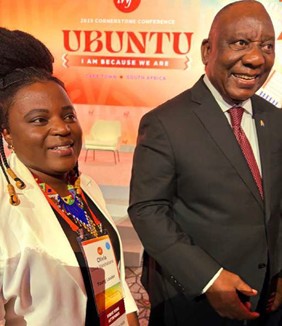
sustainable development and social justice. She is truly a leader with ubuntu and the kind of woman that President Cyril Ramaphosa referred to at the last International Women’s Forum Conference, when he said—”Women [who] defy odds to develop innovative solutions”.