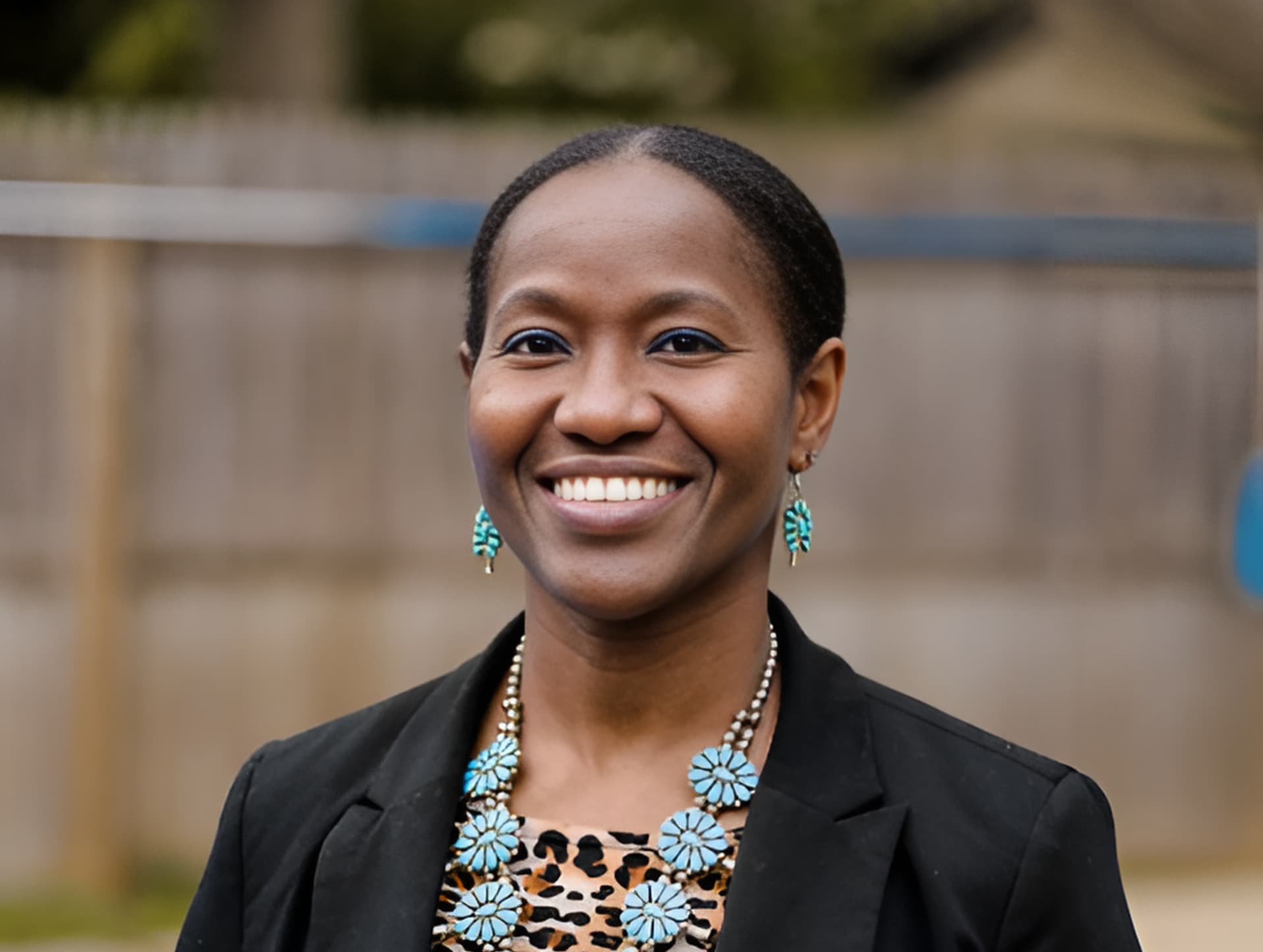
In a medical practice in Nigeria, where two doctors opened their doors to everyone regardless of their ability to pay, a young girl watched her parents rewrite the rules of healthcare. Her father, a psychiatrist, spoke openly about mental health in a society where such conversations were taboo. Her mother, a general practitioner, treated patients with dignity even when payment never came. These were not occasional acts of charity but the daily rhythm of a household where service was as natural as breathing.
That young girl, Dr. Sola Togun-Butler, would carry those lessons across continents and transform them into a practice that challenges the very foundations of how mental health care is delivered in America and beyond. Today, as the founder of Butterfly Counseling Services and an internationally recognized speaker and educator, she stands at the intersection of culture, healing, and systemic change.
But her path to becoming one of 2026’s most influential advocates for mental health was forged through her own experience of cultural displacement, the pain of not belonging, and the profound understanding that mental health cannot be separated from the cultural contexts in which we live.
“Identity is never one-dimensional; as human beings, we are multifaceted, and every aspect of our lived experience contributes to how we understand ourselves,” Dr. Togun-Butler reflects. This philosophy, born from what she calls her “third culture” as a Nigerian-American, shapes every aspect of her work today.
THE CROSSING: WHEN HOME BECOMES TWO PLACES AND NOWHERE
At twelve years old, Dr. Togun-Butler arrived in the United States filled with excitement for her first day of school. What she encountered instead was a barrage of stereotypical questions about Africa that revealed how little her new classmates understood about the continent she called home. The questions weren’t malicious, but they carried assumptions that reduced an entire diverse continent to caricatures and misconceptions.
“Culturally responsive therapy strengthens the therapeutic relationship by ensuring that clients feel seen, respected, and understood within the context of their cultural background.“
This experience became a defining moment, not because it broke her spirit, but because it crystallized something essential about the immigrant experience and mental health. She found herself caught in what she describes as “not Nigerian enough” and “not American enough,” a cultural in-betweenness that carries profound psychological weight.
The immigrant journey significantly shaped her understanding of mental health challenges. Leaving behind everything familiar, adjusting to an entirely new cultural environment, navigating expectations from two worlds, learning new social norms while honoring old ones. And then there were the microaggressions, the racism, the daily reminders that because of the color of her skin and her continent of origin, she would have to carry burdens that others would never understand.
“There was also the ongoing internal struggle of feeling not ‘Nigerian enough’ and not ‘American enough,’ an experience that fostered a deep sense of cultural in-betweenness and not belonging,” she shares. “This tension has a real and lasting impact on one’s mental well-being.”
These experiences are not unique to her. They reflect broader patterns within immigrant and underrepresented communities. Mental health within these populations cannot be fully understood or adequately addressed without examining the influence of racism, oppression, discrimination, and microaggressions.
It was this realization that would eventually drive Dr. Togun-Butler to pursue not just a career in mental health, but a mission to transform how culturally diverse populations receive care.
RECOGNITION THAT CHANGES EVERYTHING: MENTAL HEALTH AS HUMAN EXPERIENCE
What drew Dr. Togun-Butler into the mental health field was not a singular traumatic event but rather a profound recognition: all of us, simply by virtue of being human, will experience mental health challenges at various points in our lives. This understanding allows us to humanize mental health and view it not as a personal failing but as a universal aspect of the human experience.
This perspective, combined with her father’s legacy of speaking candidly about mental health stigma in Nigerian culture, created a powerful foundation. She witnessed firsthand how stigma forced many people experiencing mental health challenges to struggle in silence and isolation. She saw the profound effects on individuals who desperately needed support but feared judgment from their communities.
Her personal journey led her to develop a deep commitment to understanding the cultural backgrounds, lived experiences, and unique challenges faced by marginalized communities. This wasn’t academic curiosity. It was born from lived experience, from knowing what it feels like to walk into a therapist’s office and wonder if they could possibly understand your world.
Over two decades in the mental health field have taught her that while the profession has evolved in encouraging ways, critical gaps remain. The COVID-19 pandemic accelerated conversations about mental health in ways that were both necessary and overdue. As people around the world grappled with uncertainty, stress, grief, and loss, many began to speak candidly about their emotional well-being. This collective vulnerability helped to further humanize mental health by demonstrating that challenges are universal.
“This growing openness is reflected not only in individual conversations but also in broader cultural movements,” Dr. Togun-Butler observes. During a recent trip to Nigeria, she encountered an advertisement for a mental health conference in recognition of World Mental Health Day. “Seeing such public acknowledgment in a context where mental health discussions have historically been stigmatized was a powerful indicator of progress.”
Yet despite these gains, the field continues to fall short in critical areas: access to affordable care, availability of culturally competent providers, and systems that truly honor the intersection of culture and mental health.
BUTTERFLY COUNSELING SERVICES: FILLING THE GAPS THAT MATTER
Before founding Butterfly Counseling Services in 2019, Dr. Togun-Butler frequently heard stories that broke her heart. Community members discontinued therapy because they felt misunderstood or dismissed by mental health practitioners. Their providers demonstrated little awareness of their cultural backgrounds, made stereotypical or uninformed remarks, or invalidated their experiences with racism and discrimination, often suggesting that these realities were “excuses” rather than legitimate sources of distress.
“Many shared that their providers demonstrated little awareness of their cultural backgrounds, made stereotypical or uninformed remarks, or invalidated their experiences with racism, discrimination, and microaggressions,” Dr. Togun-Butler explains. “These experiences left individuals feeling judged and unseen, ultimately discouraging them from continuing therapy.”
Affordability posed an additional barrier. Many people lacked access to mental health services because they were uninsured, underinsured, or unable to meet the financial demands of ongoing treatment. The combination of cultural misunderstanding and financial inaccessibility created a profound gap in care for individuals who needed it most.
Butterfly Counseling Services was designed to address both gaps simultaneously. The practice implements sliding scale fees based on income, accepts multiple insurance providers, and offers community-based talks and workshops on mental health and wellness. But the financial model was only part of the solution.
The deeper transformation happens in how care is delivered. Every interaction at Butterfly Counseling Services is grounded in what Dr. Togun-Butler calls culturally responsive therapy, an approach that recognizes the profound influence that culture has on an individual’s worldview, identity, values, and lived experiences.
“Culturally responsive therapy strengthens the therapeutic relationship by ensuring that clients feel seen, respected, and understood within the context of their cultural background,” she explains. This approach requires therapists to intentionally integrate a client’s cultural beliefs, practices, and perspectives into the therapeutic process.
It means creating a safe, nonjudgmental environment where clients can openly share their experiences shaped by race, ethnicity, immigration, community norms, or historical trauma. It calls for therapists to adopt a learner’s stance, recognizing that the client is the expert in their own culture. And it demands ongoing self-reflection to identify and challenge personal biases, assumptions, or blind spots that may influence clinical work.
BALANCING EXCELLENCE WITH ACCESSIBILITY: THE BUTTERFLY MODEL
How does a practice maintain clinical excellence while prioritizing affordability and cultural sensitivity? For Dr. Togun-Butler, these goals are not in tension but rather mutually reinforcing.
Clinical excellence begins with a commitment to ongoing learning, self-reflection, and professional growth. By approaching each client interaction from a learner’s perspective, clinicians enhance their ability to understand and respond to the unique cultural, social, and personal factors that shape the client’s mental health.
At Butterfly Counseling Services, continuous evaluation is embedded into practice. This includes monitoring client outcomes, seeking feedback, participating in regular supervision or consultation, and staying informed about emerging research and evidence-based practices.
“Ultimately, clinical excellence is achieved when clients receive high-quality, culturally attuned, and financially accessible care,” Dr. Togun-Butler notes. “Our commitment to equity ensures that clients not only feel supported but also empowered in their healing journey.”
SPANNING CONTINENTS: FROM THE U.S. TO KENYA TO SAUDI ARABIA
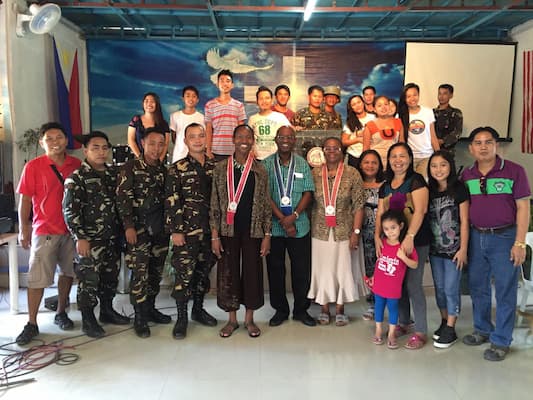
Dr. Togun-Butler’s influence extends far beyond the walls of her Forest Hills practice. Her advocacy and education work spans continents, from the United States to Kenya to Saudi Arabia, each environment teaching her profound lessons about the universality of human experience and the beautiful diversity of how cultures approach healing.
Culture encompasses the values, beliefs, languages, traditions, and lived experiences that shape how individuals perceive themselves and interact with the world. Recognizing this diversity allows her to tailor mental health education in ways that honor each community’s unique worldview.
When teaching or speaking across continents, she approaches each environment with cultural humility and the understanding that effective mental health education must be contextual. This means actively listening to community members, acknowledging historical and social factors impacting mental health, and integrating culturally relevant examples, practices, and perspectives.
Her global work has reinforced several profound truths. One is the universality of the human experience: regardless of geography, people desire understanding, belonging, and support, particularly when navigating mental health challenges. Yet the way individuals express emotional distress and seek help varies greatly based on cultural norms, stigma, and societal expectations.
Another significant lesson is the power of community. In many parts of the world, healing is viewed as a collective effort rather than an individual one. This has deepened her appreciation for community-based interventions and the importance of involving families, faith leaders, and local organizations in mental health initiatives.
SPEAKING TRUTH TO BURNOUT: THE EPIDEMIC NOBODY WANTS TO NAME
As an award-winning speaker, Dr. Togun-Butler addresses topics that resonate deeply with contemporary audiences: burnout, minority mental health, emotional wellness, and cultural identity. But it’s the conversations about burnout and emotional wellness that create the most powerful responses.
These themes have universal relevance. Every individual, simply by being human, will encounter emotional or psychological challenges at various points in life. This shared experience creates an immediate connection, allowing audiences to see themselves reflected in the conversations.
Dr. Togun-Butler emphasizes that emotions are not negative; rather, all emotions serve an important purpose. They are storytellers that provide insight into our needs, boundaries, and inner experiences. When we learn to accept our emotions without judgment, we can better interpret the messages they convey and release them in healthier, more constructive ways.
For women, particularly women of color, burnout has specific and systemic roots. Daily experiences of racism, discrimination, and microaggressions place a chronic emotional burden that contributes significantly to burnout. Societal and cultural expectations create immense pressure as women strive to be the “perfect” parent, partner, employee, or caregiver, frequently prioritizing others’ needs above their own.
Then there’s the “superwoman” syndrome, where women feel they must excel in all areas of life without asking for help, perceiving vulnerability or seeking support as weakness. As a result, boundaries are not set, self-care is neglected, and women become disconnected from their own needs.
Helping clients move from burnout to balance begins with challenging and reframing these internalized messages and societal pressures. Dr. Togun-Butler guides clients in developing awareness of their thoughts, emotions, and physical cues as early indicators of stress and exhaustion. She emphasizes the importance of proactive self-care, helping clients create strategies to integrate rest, reflection, and self-nurturing practices into daily life.
“Ultimately, the goal is to help women reclaim a sense of agency, recognize their inherent worth beyond societal expectations, and achieve sustainable balance, where caring for themselves is viewed as equally essential as caring for others,” she explains.
PRACTICAL WISDOM: TOOLS YOU CAN USE TODAY
One of Dr. Togun-Butler’s gifts is her ability to make complex emotional concepts not just understandable but actionable. Her self-care toolkits are known for being practical rather than aspirational, grounded in real life rather than Instagram-perfect ideals.
One tool that readers can start using today is creating a personalized self-care plan. While the term might sound daunting, it doesn’t need to take hours to be effective. Even dedicating just five to ten minutes a day to intentional self-care can provide a meaningful reset for the mind and body.
A simple approach is to engage the senses in soothing ways, asking yourself: What can I see, hear, touch, taste, or smell that brings me calm or joy? Additionally, daily emotional check-ins are a key component. This involves identifying and naming your emotions, reflecting on what triggered them, and finding healthy ways to release or process them.
Ignoring or suppressing emotions can lead to difficulty regulating them over time, whereas intentional acknowledgment and processing foster resilience, emotional awareness, and overall wellness.
She makes these topics relatable through storytelling, grounding them in personal experiences and real-world examples. When she shares her own challenges and successes, it humanizes the material and demonstrates that vulnerability can be a source of strength.
“I break down complex concepts into clear, real-world examples that reflect the everyday experiences of the audience,” she explains. “This helps individuals understand not only the theory but also how it applies to their personal and professional lives.”
She also incorporates live demonstrations, modeling grounding exercises, emotion-regulation strategies, or communication skills in real time. To ensure ongoing learning, she provides worksheets and guided exercises that give participants a tangible roadmap for practicing these skills independently.
TEACHING THE TEACHERS: PREPARING THE NEXT GENERATION
At the university level, Dr. Togun-Butler teaches future mental health professionals, and her message to them is clear: self-care is not optional, and cultural competence is a lifelong practice, not a checkbox.
Mental health professionals cannot be fully present, empathetic, or attuned to their clients’ needs if they neglect their own emotional and mental well-being. In this sense, practitioners themselves are the most important “tool” in the therapeutic process, and their ongoing self-care directly impacts the quality of care they provide.
Equally essential is a commitment to cultural competence. This is not a one-time training but a lifelong practice of learning, self-reflection, and cultural humility. Mental health professionals must approach their work from a learner’s perspective, continually seeking to understand the unique experiences, values, and worldviews of their clients.
Where training is still lacking is in practical, experiential learning and ongoing supervision that emphasizes cultural humility and real-world application. Many programs focus on theoretical knowledge but fewer equip providers to navigate complex cultural dynamics effectively.
“True cultural competence extends beyond workshops or annual trainings; it involves actively engaging with communities, learning directly from individuals about their lived experiences, and participating in cultural events and activities to gain a deeper understanding of diverse perspectives,” Dr. Togun-Butler notes.
A BOOK FOR YOUNG HEARTS: CELEBRATING BELONGING AND CURIOSITY
Dr. Togun-Butler recently authored a children’s book that celebrates belonging and cultural identity, inspired directly by her own experience as a twelve-year-old immigrant. The book addresses the stereotypical and hurtful questions she encountered on her first day of school, transforming that painful memory into a teaching moment for young readers.
The key message is simple but profound: the most respectful and effective way to learn about someone’s culture is through open, sincere curiosity, not through assumptions or stereotypes. Asking questions like “I would like to learn more about your culture” fosters dialogue, understanding, and mutual respect.
The book encourages cultural curiosity rooted in empathy, awareness, and respect, helping readers develop meaningful connections across diverse backgrounds.
CONFRONTING MYTHS: REWRITING THE NARRATIVE ABOUT AFRICA
In her work spanning continents and communities, Dr. Togun-Butler frequently encounters and corrects common misconceptions about the African continent and the African diaspora.
One pervasive myth is that Africa is uniformly poor or “uncivilized.” Many people are surprised to learn that across the continent, there are thriving cities with houses, cars, universities, skyscrapers, and vibrant commercial centers. While media portrayals have historically been one-sided, social media and global connectivity are helping to challenge these misconceptions and provide a more accurate, nuanced view of contemporary Africa.
Another widespread misconception is the belief that Africa has not made significant contributions to world history. This overlooks the rich legacies of African kingdoms, dynasties, scientific advancements, artistic achievements, and philosophical traditions that have shaped global civilization.
In addressing these myths, her work emphasizes the importance of cultural awareness, historical accuracy, and challenging stereotypes, fostering a more informed and respectful understanding of Africa and the African diaspora.
LEADING WITH EMPATHY: BUILDING TEAMS THAT HEAL
As a leader, Dr. Togun-Butler is intentional about building teams and creating environments that prioritize equity, empathy, and cultural understanding. Effective leadership, she believes, begins with modeling the values you expect from others. This means demonstrating fairness, humility, and cultural curiosity in her own interactions and decision-making.
Equity is rooted in the understanding that support cannot be “one size fits all.” Each team member brings unique strengths, experiences, and needs, and leadership requires tailoring resources and opportunities to ensure that everyone can thrive.
Empathy plays an equally central role. It involves more than simply caring; it requires actively putting yourself in someone else’s shoes, seeking to understand their perspective, and responding in ways that honor their lived experience.
Cultural understanding is cultivated through adopting a learner’s mindset. She encourages her team to approach clients and colleagues with cultural humility, recognizing that we are always learning and that our clients are the experts of their own experiences.
THE LEGACY SHE’S BUILDING: HUMANIZING MENTAL HEALTH
The legacy Dr. Togun-Butler hopes to leave in the fields of mental health, wellness, and cultural advocacy is centered on the humanization of mental health and the normalization of seeking support.
“I want to amplify the truth that, simply by being human, all of us will experience mental health challenges at various points in our lives,” she shares. “When we speak openly about these shared experiences, we dismantle stigma, reduce shame, and create pathways for individuals to access the care they deserve without fear of judgment or isolation.”
She also hopes to leave a legacy that redefines self-care as an essential, not optional, component of well-being. This includes encouraging individuals to set healthy boundaries, prioritize rest, and honor their emotional and physical needs without guilt.
Additionally, she aspires to advocate for spaces that promote cultural understanding, inclusivity, and respect. This involves ensuring that individuals from all cultural backgrounds feel seen, valued, and supported within mental health environments.
Her goal is to contribute to a mental health landscape where wellness is accessible, culturally responsive care is the standard, and every person, regardless of background, feels empowered to seek healing, connection, and belonging.
WHAT’S NEXT: SPREADING WINGS ACROSS CONTINENTS
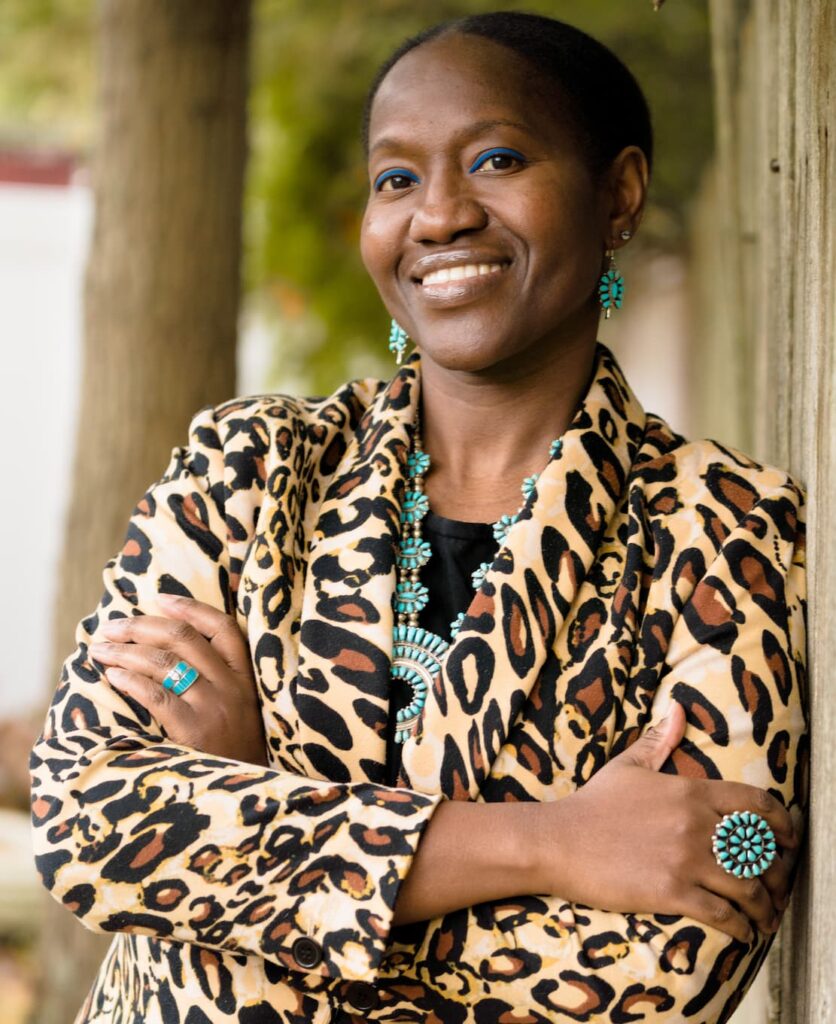
In 2026, Dr. Togun-Butler will be a guest speaker at the Wellbeing at Work Middle East Summit in Muscat, Oman, and Dubai, United Arab Emirates. Her presentation will focus on the transformative power of wellbeing in driving organizational performance and fostering a culture of belonging.
She recently launched a virtual Burnout Prevention Support Group for women, designed to equip participants with practical tools to reduce stress and prevent burnout by integrating emotional and cognitive well-being components that are often overlooked in traditional models.
Collaborators, organizations, and community members who wish to learn more about her mission, speaking engagements, or clinical work can visit Butterfly Counseling Services at www.butterflycounselingservices.com. Those seeking resources focused specifically on stress management, burnout prevention, and wellness can explore www.transformative.cc for additional tools, programs, and support.
THE BUTTERFLY EFFECT: TRANSFORMATION THAT RIPPLES OUTWARD
Dr. Sola Togun-Butler’s journey from a young Nigerian immigrant to one of the most influential voices in mental health, cultural competency, and emotional wellness demonstrates what becomes possible when personal experience transforms into professional mission.
Her practice doesn’t just treat symptoms; it addresses the cultural, systemic, and societal factors that create mental health challenges in the first place. Her speaking doesn’t just inform; it empowers audiences to take concrete action. Her teaching doesn’t just transfer knowledge; it shapes the next generation of culturally competent practitioners.
Like the butterfly her practice is named for, the transformation she facilitates begins small but ripples outward, touching individuals, families, communities, and eventually entire systems of care. It’s a metamorphosis grounded in the recognition that healing cannot happen in a cultural vacuum, that wellness must be accessible to all, and that the most powerful advocacy begins with honoring every person’s full humanity.
In a world still grappling with how to provide mental health care that truly serves diverse populations, Dr. Togun-Butler offers not just a vision but a proven model. One client at a time, one workshop at a time, one speaking engagement at a time, she is building the infrastructure of care that should have existed all along: culturally responsive, financially accessible, and profoundly human.
-

Top 10 Countries with the Best Healthcare
Taiwan consistently ranks as one of the top countries with the best healthcare systems due to its universal coverage and efficient, cost-effective services. South Korea and Australia also regularly appear in top rankings. Other countries frequently cited for their strong healthcare systems include Canada, Sweden, the Netherlands, Germany, and Norway. Rankings can vary depending on…
-

New World screwworm, a parasite whose larvae feed on the living tissue of warm-blooded animals, including humans.
The re-emergence of the screwworm is a serious issue for public health and agriculture officials who are racing to contain it before it can spread further