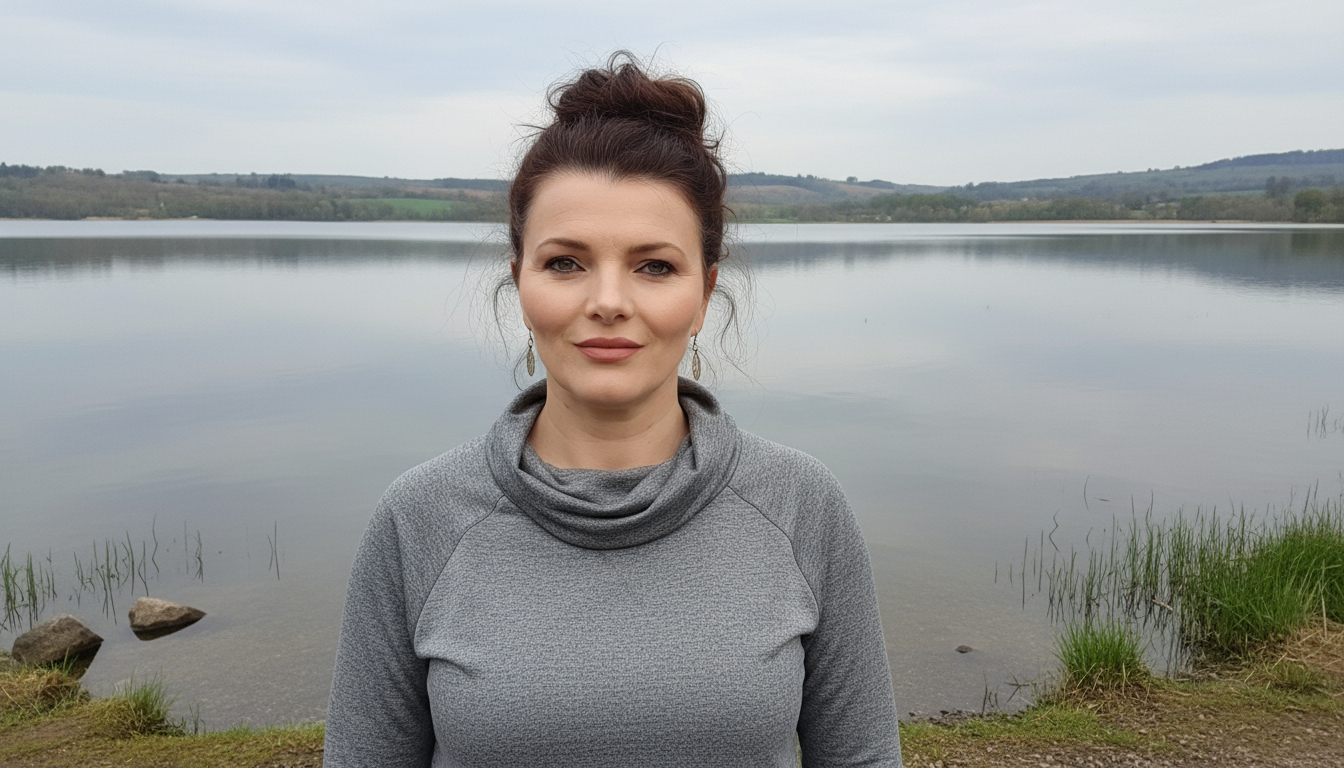
In the landscape of trauma recovery and holistic healing, few practitioners embody the transformative power of lived experience quite like Dr Sam Mishra. Her journey from surgical nurse and midwife to becoming one of the UK’s leading trauma recovery specialists represents more than a career pivot; it reflects a profound understanding that our deepest wounds can become our greatest gifts to humanity.
Founded in February 2020, The Medical Massage Lady has become a sanctuary for those navigating the complex terrain of trauma, from survivors of domestic abuse and sexual assault to individuals recovering from cancer treatment and children living with cerebral palsy. What distinguishes Dr Sam’s practice is not merely her impressive array of qualifications spanning medical nursing, sports therapy, oncology, and energy healing, but the authentic integration of personal experience with clinical expertise.
“Our trauma can serve as our most significant gift to society, enabling us to confront stigma within our communities and realize our full potential in the process,” Dr Sam reflects. This philosophy permeates every aspect of her work, creating an environment where vulnerability becomes strength and healing transforms into purpose.
THE UNEXPECTED PATH: FROM HOSPITAL WARDS TO HOLISTIC HEALING
Dr Sam’s professional journey began not in the world of complementary therapy, but in the structured environment of surgical nursing and midwifery. Yet even before qualifying as a nurse, she had trained in massage therapy, maintaining this practice over the years while using it particularly to support her disabled child. This dual foundation would prove instrumental in shaping her unique approach to healing.
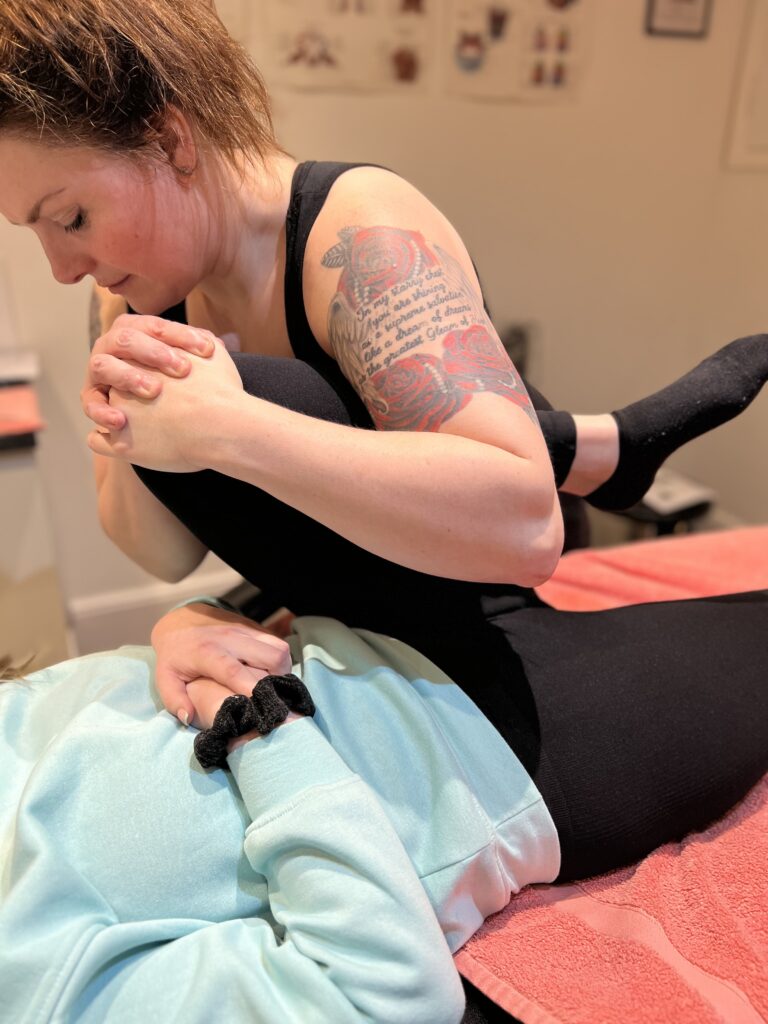
“Our trauma can serve as our most significant gift to society, enabling us to confront stigma within our communities and realize our full potential in the process. We can become leaders by embracing vulnerability, sincerity, compassion, and humanity“
When life demanded that she step away to focus on her family, Dr Sam’s intention was always to return to nursing. She regained her registration and completed all practical hours required to requalify. However, the healthcare system proved less welcoming than anticipated. The focus remained fixed on her absence from ward work, despite her maintained skills and updated qualifications.
Rather than viewing this as a setback, Dr Sam recognized an opportunity to build upon her massage background. Retraining in sports therapy allowed her to utilize her medical knowledge in a different context, creating a bridge between conventional healthcare and complementary approaches. This integration would become her signature strength.
The pivot toward trauma healing, however, was not merely professional calculation but personal calling. Having experienced domestic abuse, narcissistic abuse, and sexual assault herself, Dr Sam had long envisioned working with survivors. The catalyst came during her work as an oncology practitioner, where she observed that methods used to calm and support the nervous system in cancer patients mirrored exactly what trauma clients needed.
From this insight, she developed trauma massage techniques and comprehensive training programs based on the vagus nerve, polyvagal theory, and the neurobiology of trauma. Word spread through charitable organizations, and soon Dr Sam found herself working with clients who had experienced early childhood abuse and sexual assault. Her personal understanding of these experiences created a depth of empathy that transcended clinical training.
“What I’ve learned is that the body doesn’t distinguish between different types of trauma; it simply recognises when it feels unsafe,” Dr Sam explains. This understanding enabled her to adapt her work to support anyone living with trauma, regardless of when or how it occurred, meeting each person exactly where they are in their healing journey.
BRIDGING TWO WORLDS: MEDICAL PRECISION MEETS HOLISTIC COMPASSION
Dr Sam’s early medical training fundamentally shaped her approach to complementary and alternative therapies, providing a depth of understanding that remains rare in the field. Her knowledge of anatomy and physiology enables her to identify underlying issues with precision, ensuring each treatment is both safe and effective for clients with complex medical histories.
When she first qualified, massage was largely perceived as luxury pampering, something pursued purely for relaxation. The field has transformed dramatically since then. Today, approximately two thirds of her clients seek treatment for medical reasons: post-surgical recovery, sports injuries, chronic conditions requiring ongoing management. Unfortunately, basic massage therapy training often fails to address these clinical aspects with sufficient depth, potentially leading to treatments delivered without adequate understanding of medical considerations.
Dr Sam’s medical background bridges this critical gap. It empowers her to ask the right health questions, recognize necessary precautions, and design treatments that complement rather than conflict with conventional medical care. This foundation enables her to provide effective follow-up advice and self-care guidance, empowering clients to take active roles in their recovery.
This integration has opened doors to specialized practice areas spanning post-surgical rehabilitation, oncology support, and work with children who have neurological disabilities. Her recognized medical registration has earned referrals from doctors and healthcare professionals, creating pathways for patients who might otherwise fall through the cracks between conventional and complementary care.
“My medical training has helped me to connect the worlds of conventional and complementary therapy, creating a more integrated and holistic approach that puts client safety and wellbeing at the forefront,” Dr Sam emphasizes. This connection represents not just professional competence but a reimagining of what healthcare can become when different modalities work in harmony.
THE FOUNDATION OF HEALING: BELIEF, BOUNDARIES, AND RECLAIMED AGENCY
When working with trauma survivors, whether they have experienced PTSD, domestic abuse, or sexual assault, Dr Sam understands that the healing process begins long before any therapeutic technique is applied. The foundation rests on something more fundamental: belief and validation.
Too often, survivors have faced disbelief or dismissal, sometimes even from the legal systems designed to protect them. Letting clients know they are heard, believed, and validated can be the crucial first step toward recovery. From there, establishing clear professional boundaries and identifying known triggers early becomes essential.
“Many survivors have had their boundaries repeatedly violated, so rebuilding a sense of safety and trust is vital,” Dr Sam notes. Boundaries become the framework for a therapeutic relationship where authentic healing can take place.
As a therapist, being a compassionate listener and confidant is key, but equally important are robust safeguarding measures ensuring ongoing client safety and wellbeing. The journey involves helping clients move beyond victim identity to reclaim their sense of agency, strength, and self-worth. The ultimate goal is empowering them to transition from surviving to truly living again.
This approach requires exceptional sensitivity and self-awareness from the practitioner. Dr Sam’s personal experiences inform her understanding but never override professional boundaries or appropriate therapeutic distance. She embodies the delicate balance between empathetic connection and clinical objectivity that defines truly effective trauma work.
UNDERSTANDING THE BODY’S ALARM SYSTEM: VAGAL NERVE AND NERVOUS SYSTEM REGULATION
For many clients encountering concepts like nervous system regulation and vagal nerve stimulation for the first time, these ideas can seem abstract or overly technical. Dr Sam has developed an accessible way of explaining these crucial concepts, bringing them back to basics and helping clients understand what is actually happening inside their bodies.
She often provides self-help guides explaining the nervous system’s role, particularly the vagus nerve and how it connects to physical and emotional experiences. The vagus nerve, the largest cranial nerve, runs from the brain all the way down to the gut, which is why we often talk about the gut-brain connection. Many trauma survivors also experience physical issues like IBS or chronic digestive problems, precisely because the vagus nerve plays such a significant role in regulating these functions.
Our nervous system is responsible for maintaining everything in balance: digestion, immune response, even emotional regulation. When we experience trauma or ongoing stress, our sympathetic nervous system, the part responsible for fight-or-flight response, becomes overactivated. This represents the body’s protective mechanism, but it also diverts resources away from other vital functions, leading over time to both physical and emotional symptoms.
If that stress remains unresolved, the body can stay stuck in survival mode. Stress hormones keep circulating, and the parasympathetic nervous system, which helps us rest, recover, and return to baseline, struggles to activate effectively.
“Vagal nerve stimulation is a way of helping the body move out of that overactivated state,” Dr Sam explains. “By supporting the vagus nerve, we can calm the sympathetic response and activate the parasympathetic system. This allows the body to shift out of survival mode, regulate itself more effectively, and begin to heal.”
This represents a powerful step in helping clients reconnect with their sense of safety, balance, and wellbeing from the inside out. The beauty of this approach lies in its accessibility; clients can learn techniques to support their own nervous system regulation between sessions, building resilience and self-efficacy.
TAILORING THE APPROACH: MEETING CLIENTS WHERE THEY ARE
Every trauma survivor’s journey is unique, which is why Dr Sam’s approach always begins with understanding where each individual stands in their healing process. She considers the nature of their trauma, how long ago it occurred, how much they have already processed or resolved, and what triggers might still be present.
Working with a variety of modalities including trauma massage, vagus nerve toning, conscious connected breathwork, pranayama, Reiki, and occasionally hypnotherapy allows her to tailor treatment to each client’s needs and readiness. The timing and sequencing of these interventions matters profoundly.
In the immediate aftermath of a traumatic event, gentleness and safety are paramount. Techniques like trauma massage, vagus nerve toning, and Reiki provide grounding and reintroduce safe, nurturing touch without overwhelming the nervous system. Following a recent sexual assault, for example, these modalities can help stabilize body and mind while fostering trust and safety.
Some techniques, such as conscious connected breathwork, can release deep emotional layers very quickly. While powerful, these are best reserved for clients who have already built a strong foundation and are ready to process and integrate what arises. Dr Sam also offers Transformation Workshops for clients further along in their recovery, designed to tie together the threads of their healing by understanding patterns, behaviors, and thought processes that may have developed as coping mechanisms.
“When working with trauma, timing and sensitivity are everything,” Dr Sam observes. “Healing isn’t linear, and the ability to draw from different modalities allows me to meet each client exactly where they are: gently, intuitively, and safely.”
This flexibility and responsiveness distinguishes therapeutic excellence from merely competent practice. It requires the practitioner to hold space for uncertainty, to trust the process, and to prioritize the client’s pace over any predetermined treatment protocol.
NINETEEN YEARS OF LESSONS: WORKING WITH CHILDREN WITH DISABILITIES
Over 19 years of working with children with physical disabilities, particularly those with cerebral palsy, Dr Sam has learned profound lessons that extend far beyond clinical technique. The most meaningful has been the importance of seeing the child first, not the disability. While clinical skills and technique remain essential, true progress comes from empathy, patience, and the ability to connect with each child and their family as individuals.
As both a therapist and a parent of a child with cerebral palsy, Dr Sam possesses a deep, personal understanding of the emotional journey families experience: the hope, frustration, and incredible resilience that define their everyday lives. This dual perspective has profoundly shaped the way she supports not only the children in her care but their families as well, recognizing that empowering parents and caregivers is as important as the therapy itself.
Her volunteer work at sports camps and adventure centers for children with disabilities has reinforced how powerful physical activity can be in building confidence and independence. Witnessing children achieve things they never thought possible, whether climbing a wall or paddling a kayak, has continually reminded her that therapy must be fun, creative, and centered around capability rather than constraint.
Dr Sam’s background in sports therapy has also proven invaluable in teaching massage and movement therapy techniques to other therapists. She has found great fulfillment in sharing her knowledge, helping colleagues understand how sports therapy principles can be adapted to support children with neurological conditions safely and effectively. This ripple effect means that as more therapists develop this insight, more children benefit from tailored, compassionate care.
“Progress is not only measured in physical milestones but also in confidence, joy, and the independence that children and families gain along the way,” Dr Sam reflects. This holistic definition of success recognizes that healing and development encompass far more than what can be measured on clinical assessment forms.
ONCOLOGY CARE: ADAPTING TREATMENT FOR VULNERABLE BODIES
Dr Sam’s medical and surgical background provides deep understanding of the physiological and psychological complexities accompanying oncology and post-surgical clients. This foundation enables her to safely adapt treatments for individuals with complex or vulnerable medical conditions, an area where many complementary therapists lack adequate preparation.
In her post-mastectomy breast program, she works extensively with clients recovering from breast surgery, lymph node removal, and various oncology treatments such as chemotherapy and radiotherapy. Each treatment plan begins with thorough assessment, allowing her to identify contraindications, scar tissue restrictions, lymphatic considerations, and areas of altered sensation or vulnerability.
She adapts oncology massage techniques by modifying pressure, positioning, and duration to accommodate medical devices such as ports, drains, or implants, areas of radiation sensitivity, and the client’s overall fatigue levels. Comfort is ensured through supportive positioning and gentle touch, with constant communication to monitor tolerance and response.
Dr Sam collaborates closely with the wider multidisciplinary team when appropriate, ensuring massage treatment complements ongoing medical care safely. Her approach remains grounded in evidence-based practice, clinical reasoning, and compassionate touch, aiming to support recovery, enhance wellbeing, and help clients rebuild confidence in their bodies after surgery and cancer treatment.
This work requires exceptional sensitivity. Clients are often dealing with profound grief, fear, and body image challenges alongside physical recovery. The ability to hold space for these emotional dimensions while providing clinically appropriate physical treatment represents the art within the science of therapeutic practice.
THE EVOLUTION OF WOMEN’S HEALTH EXPERTISE
Dr Sam’s work in women’s health has evolved significantly throughout her career, drawing on both professional training and deeply personal experiences. She began her journey in gynecology as a nurse, gaining solid understanding of various women’s health conditions including endometriosis, fibroids, female cancers, and polycystic ovary syndrome.
Her personal experience with endometriosis, undergoing numerous treatments and surgeries to manage chronic pain and bleeding, eventually opting for a hysterectomy that put her into early menopause, provided firsthand understanding of what many of her clients would face. This nursing foundation enabled her transition into midwifery, where she primarily worked on a high-risk labor suite, with roles extending across the fetal assessment unit, antenatal and postnatal wards, and even the special care baby unit.
During her time as a midwife, Dr Sam was part of a designated FGM (female genital mutilation) team, enhancing her understanding of cultural traditions, safeguarding, and supporting vulnerable women. Her personal experiences, including pregnancy loss and being told she might never have children before ultimately becoming a mother to two healthy children, have profoundly shaped her empathy and insight when working with women at all stages of pregnancy and postnatal recovery.
Her work with trauma developed both professionally and through personal healing. Having experienced domestic abuse, narcissistic abuse, and sexual assault, she gained firsthand understanding of the lasting impact trauma can have on body and mind. Over time, she learned how therapeutic approaches such as massage and breathwork can support trauma recovery. Completing her oncology certification developed her techniques further in working with clients who experience emotional overwhelm and physical fatigue.
Breathwork, inner child work, and shadow integration became key tools in both her own healing and the transformational workshops she now offers. Today, her work integrates all of these experiences into a holistic approach supporting women through pregnancy, postnatal recovery, and trauma healing. She also teaches yoni massage to help women reconnect with their bodies and reclaim their sense of safety and empowerment.
“My journey has been one of continual evolution, transforming personal challenges into the foundation for compassionate, trauma-informed care,” Dr Sam shares. This transformation from patient to practitioner, from survivor to healer, exemplifies the alchemical process at the heart of her work.
THE ART OF INTEGRATION: CHOOSING THE RIGHT MODALITIES
When determining the right combination of modalities for each client, Dr Sam takes a holistic and individualized approach. She begins with thorough consultation including discussion of medical history, current health conditions, tissue fragility, emotional stability, lifestyle, and any contraindications to ensure safety and appropriateness of care. She also takes time to understand goals and preferences, whether clients are seeking relief from physical pain, emotional stress, or looking to support deeper psychological or spiritual healing.
From there, she tailors the session to align with specific needs. If concerns are primarily physical such as chronic pain, muscle tension, or injury recovery, she might integrate medical massage, IASTM, and focused breathwork. If emotional or mental wellbeing is the priority, she may incorporate Reiki, hypnotherapy, or aromatherapy to foster balance and relaxation.
Her diverse toolkit includes aromatherapy, Reiki, hypnotherapy, IASTM (Instrument Assisted Soft Tissue Mobilization), various breathwork modalities, medical massage, sports therapy techniques, and energy healing practices. Each serves specific purposes and works synergistically when appropriately combined.
The aim is always to create a safe, client-centered experience addressing the whole person: body, mind, and spirit, while adapting the combination of modalities as needs evolve over time. This requires ongoing assessment and flexibility, resisting the temptation to apply a standardized protocol when each individual requires a unique approach.
WHAT SETS HER PRACTICE APART: MEDICAL INSIGHT MEETS HOLISTIC CARE
Dr Sam’s approach is distinct because it is deeply informed by her medical and surgical background, providing a unique perspective on anatomy, physiology, and the underlying causes of pain and dysfunction. Unlike conventional massage therapy, she integrates surgical knowledge into the assessment and management of sports injuries, allowing her to view the body from a more clinical and structural angle.
This deeper understanding enables her to identify and connect seemingly unrelated symptoms or conditions, creating a more comprehensive picture of what is happening for each client. As a result, her treatments go beyond addressing surface-level tension; they are tailored to target root causes of dysfunction, promote long-term recovery, and enhance overall performance.
The combination of medical insight, advanced manual therapy skills, and a holistic outlook makes her approach both precise and effective. This integration is particularly evident in her more specialist services, which include treatments not commonly available elsewhere: cerebral palsy support, breast massage post-surgery, trauma therapy, Brazilian lymphatic massage, ileocecal valve work, Rungu massage, and Himalayan salt therapy.
Each of these therapies has its own transformative qualities; however, clients often find the trauma and breast massage therapies the most profoundly impactful. The trauma massage is designed to help regulate the nervous system and gently guide clients out of survival mode. Through safe and intentional touch, it supports the body in releasing stored tension while fostering a sense of safety and empowerment. This process can help rewire the body’s automatic trauma responses and promote deep emotional healing.
Similarly, the breast massage program offers a truly holistic approach, combining physical rehabilitation, post-surgical recovery, emotional nurturing, and spiritual care. It bridges the gap that often remains after medical treatment, providing essential support for women recovering from procedures such as mastectomies. Despite ongoing misconceptions surrounding this therapy, it continues to prove life-changing for clients seeking comprehensive recovery and reconnection with their bodies.
THE ROLE OF INTUITION: BRIDGING SCIENCE AND SPIRIT
Intuition plays a central role in Dr Sam’s approach to energy healing and clinical decision-making. She views intuition as a bridge between evidence-based practice and the deeper, unseen layers of healing that come through connection with universal energy. When working with clients, she allows space for intuitive insights to emerge, often felt as subtle sensations, inner knowing, or energetic shifts that guide her toward the root of an issue rather than just its symptoms.
Her spiritual beliefs form the foundation of this process. She works with her spirit guides and the universal energy field through Reiki, mindfulness, and pendulum work. These practices help her cultivate stillness, clarity, and trust in divine guidance, allowing her to interpret the energetic information that comes through during sessions. Reiki facilitates the flow of life force energy, while mindfulness keeps her grounded and present, and pendulum work offers a tangible way to access intuitive answers and energetic alignment.
Chakra and crystal work also play vital roles. Dr Sam views the chakra system not only as a map for energetic balance but as a reflection of emotional and spiritual development. Each chakra represents a stage of human growth, and the concept of seven-year cycles offers a profound framework for understanding trauma and transformation. By exploring which chakra cycle a person may be navigating or healing from, patterns can be identified and energy blocks connected to specific life themes or developmental stages can be released.
“My intuitive guidance allows me to integrate spiritual and energetic awareness into clinical practice in a grounded, compassionate way,” Dr Sam explains. “It’s about harmonizing intuition with knowledge, spirit with science, and above all, creating a sacred space where deep healing and transformation can occur.”
This integration of intuitive and evidence-based practice distinguishes her work from purely clinical approaches on one hand and purely spiritual modalities on the other. The synthesis creates something more powerful than either alone could achieve.
ADDRESSING THE TRAINING GAP: EDUCATING FUTURE PRACTITIONERS
Having taught nursing students, antenatal groups, and massage professionals throughout her career, Dr Sam has identified a critical gap in practitioner training today: the lack of deep knowledge about medical conditions and injuries that clients are seeking therapy for, along with insufficient anatomy and physiology education in basic training.
“You can have all the practical skills in the world, but if you don’t know how to apply them safely and appropriately for each individual client, those skills mean very little,” Dr Sam emphasizes. Without understanding a client’s medical condition, its causes, implications, and contraindications, delivering truly effective or safe treatment becomes impossible.
Therapists need to recognize that the industry is constantly evolving, and to stay relevant and competent, regular professional development is essential. Ongoing education not only enhances clinical understanding but also ensures that practitioners can deliver evidence-based, client-centered care meeting modern professional standards.
Dr Sam now runs CPD (Continuing Professional Development) and diploma courses accredited by IGCT (International Guild of Complementary Therapists). Her hope is that students leave her courses with genuine motivation to continue learning and exploring new directions within their professional journey. She wants them to think critically about where they would like to specialize and how their personal qualities can guide them toward the right path.
“My goal is to equip them with both the knowledge and confidence to question what they’re taught, to adapt their approach to meet the needs of each individual client, and to always recognise that while massage is a natural therapy, it still requires skill and responsibility to ensure no harm is done,” she explains.
She emphasizes that being an effective therapist is not just about developing practical techniques but equally about building personal connection, compassion, and empathy. Above all, she wants to encourage accountability: for their clients, their profession, and themselves. Therapists should always work within their level of competence, understand their limitations, and never allow ego to override ethical practice. If they reach a point where they must ask others how to treat a specific condition, that should be a clear sign that it falls outside their scope and that further education is the responsible next step.
THE PREDICTORS OF SUCCESS: BEYOND TECHNICAL SKILL
In Dr Sam’s experience mentoring therapists, the qualities that most strongly predict success go far beyond academic knowledge or technical skill. The therapists who thrive tend to demonstrate deep self-awareness, emotional resilience, and genuine curiosity about the human experience. They are able to stay present and compassionate with clients’ pain while also maintaining healthy boundaries to prevent burnout.
Another key predictor of success is a strong commitment to lifelong learning and supervision. The most effective therapists view their development as an ongoing process. They seek feedback, reflect on their countertransference, and embrace challenges as opportunities for growth.
Additionally, successful therapists possess a high degree of flexibility and humility. They recognize that no single approach fits every client and are willing to adapt their methods to meet diverse needs. Finally, an authentic capacity for empathy paired with professionalism, being able to connect deeply without losing sight of therapeutic goals, sets apart those who make lasting impact in their clients’ lives.
“The predictors of success are not only about what a therapist knows, but who they are in the room: grounded, reflective, compassionate, and always open to growth,” Dr Sam observes. This holistic understanding of professional competence recognizes that healing relationships require the therapist to be as committed to their own growth as they are to their clients’ progress.
CREATING SANCTUARY: CLINICS FOR SURVIVORS
Dr Sam runs specialized clinics for survivors of rape and domestic abuse, creating spaces where safety, belief, and healing can flourish. This work has given her clear perspective on what needs to change within both healthcare and society to better support survivors.
Within healthcare, trauma-informed care must become the standard. Every healthcare professional, from reception staff to surgeons, should be trained to understand trauma, avoid re-traumatization, and provide compassionate, survivor-centered care. Survivors should be able to access medical, psychological, and forensic support easily and privately, without fear of stigma or breach of confidentiality.
Healthcare must also integrate mental health and physical care. Survivors’ needs are holistic, encompassing psychological, emotional, and physical dimensions. Healthcare should integrate counseling, advocacy, and medical treatment rather than treating them as separate entities. Professionals need ongoing education to recognize signs of abuse, respond appropriately, and refer patients to supportive services. Streamlined pathways to support are essential so survivors do not have to navigate complex systems on their own.
Within society, challenging victim-blaming and stigma remains critical. Survivors must be believed and supported, not questioned or shamed. Public awareness campaigns can shift community attitudes and foster compassion. Early education about consent, respect, and healthy relationships can reduce the prevalence of abuse. Governments and communities need to invest in survivor services, mentorship programs, and long-term rehabilitation opportunities.
Survivors should also be involved in shaping services. Their voices and experiences can guide meaningful reform. “We need a culture of empathy and accountability, one that recognizes surviving trauma as an act of courage, not something to be hidden or endured in silence,” Dr Sam emphasizes. “We also need to believe survivors.”
This systemic change requires coordinated effort across institutions, policies, and cultural attitudes. Individual practitioners can create islands of safety and healing, but transforming the broader landscape requires collective commitment to change.
PROTECTING THE HEALER: SELF-CARE IN TRAUMA WORK
Working closely with trauma and high-emotional-load cases requires exceptional attention to practitioner wellbeing. Dr Sam candidly acknowledges this is an area where she still needs improvement, admitting she is guilty of giving too much and prioritizing others’ needs above her own. Yet she has identified key strategies that work well when consistently applied.
Debriefing through supervision or peer consultation helps process challenging cases. Talking through experiences manages emotional load and gains perspective. Establishing clear professional boundaries prevents over-identifying with clients. Leaving work at work by setting mental and physical shutdown rituals such as journaling or a short walk after work creates necessary separation.
Self-awareness and reflection are crucial. Monitoring signs of compassion fatigue, burnout, or secondary trauma through reflective practices like journaling, mindfulness, or therapy helps practitioners stay attuned to their emotional state. A consistent self-care routine prioritizing rest, healthy nutrition, exercise, and social connection provides the foundation for sustained practice. Balancing emotionally demanding work with restorative activities that bring joy and calm becomes essential rather than optional.
Professional support through personal therapy or support groups when needed, along with continuing education on trauma-informed care and resilience, strengthens coping strategies. Realistic workload management prevents emotional overload. Advocating for organizational practices supporting staff wellbeing, such as flexible schedules or peer support systems, creates healthier work environments.
Grounding and mindfulness techniques practiced before and after sessions help reset emotionally. Brief mindfulness breaks during the day maintain centeredness. “Protecting your wellbeing while working with trauma or high-emotional-load cases is vital to sustain effectiveness and avoid burnout,” Dr Sam notes, recognizing this ongoing challenge for all practitioners in this field.
CREATIVE VENTURES: AROMATHERAPY AND ACCESSIBLE HEALING TOOLS
Dr Sam’s creation of her own line of aromatherapy products emerged from deep appreciation for natural wellness and the power of scent to influence mood, energy, and emotional balance. She wanted to create a brand merging the art of aromatherapy with strong foundations in science and quality sourcing.
To ensure each product’s therapeutic integrity, she focuses on three key principles. First, pure ingredients: she uses 100 percent natural, ethically sourced essential oils, working closely with trusted suppliers who provide third-party testing for purity and potency. Second, scientific formulation: each blend is developed based on therapeutic properties of individual oils, balancing aroma with functionality, whether for relaxation, focus, or rejuvenation. Third, quality control: small-batch production ensures consistency, and rigorous testing verifies that each product maintains its integrity from formulation to final packaging.
Her goal is to craft products that not only smell good but also genuinely support wellbeing and promote mindfulness in everyday life. This attention to quality and therapeutic value distinguishes her products from mass-market aromatherapy offerings that prioritize fragrance over function.
Dr Sam’s workshops and downloadable breathwork and meditation sessions have also grown in popularity, and the impact of making these tools more accessible has been profound. The breathwork not only helps clients relax in the moment but also has proven physiological benefits. One client has used these practices to manage panic attacks and has seen noticeable improvements in both blood pressure and peak flow readings.
The transformation workshops go even deeper, focusing on identifying trauma responses and understanding where they are rooted. Through this process, clients are able to rewire thought patterns and behaviors linked to those past experiences. The workshops have given participants profound insight into their lives, relationships, and sense of identity, helping them reflect on why they respond to situations in certain ways or rely on specific coping mechanisms.
Each intake experiences the workshops differently, but the common thread is how they help clients reconnect with themselves and view their lives from a fresh perspective. For some, this has meant coming to terms with experiences of abuse or medical diagnoses, while others have gained strength to explore personal revelations such as reconnecting with birth parents. These sessions have also opened up honest, supportive conversations around difficult topics like honor-based abuse and FGM.
Since offering these tools online, participants have come from other areas of the UK and even other countries, expanding the reach of transformation. The accessibility of digital formats has democratized access to healing tools that might otherwise remain available only to those who can attend in person.
THE LEGACY OF TRANSFORMATION: FROM WOUNDS TO WINGS
As Dr Sam completes her journey toward becoming an Usui Reiki Master and continues expanding her healing practice, her vision for legacy reflects the totality of her life experience. She hopes her legacy demonstrates that regardless of life’s formidable difficulties, perseverance and compassion enable healing and transformation to remain attainable. By surmounting our own challenges, we may assist others in doing likewise, regardless of our limited resources.
“Our trauma can serve as our most significant gift to society, enabling us to confront stigma within our communities and realize our full potential in the process,” Dr Sam reflects. We can become leaders by embracing vulnerability, sincerity, compassion, and humanity, while empowering others to perpetuate our legacy and expand the breadth of our contributions.
Healing is not merely repair but the transformation of our wounds into a purpose that fosters ongoing good change in our lives, our interpersonal connections, our industries, and society at large. Her legacy is also to empower therapists to critically examine current industry practices and equip themselves with knowledge, enabling them to innovate and enhance service delivery, creating change for the future.
This vision encompasses multiple dimensions: the individual clients whose lives are transformed through her direct care, the therapists she trains who carry her integrated approach into their own practices, the broader healthcare system where she advocates for trauma-informed care, and the societal attitudes toward trauma and recovery that she challenges through her visible presence and advocacy.
Dr Sam’s work demonstrates that healing is not a destination but a continuous process of becoming. Her practice does not promise to fix or cure but rather to accompany clients on their journey, providing tools, support, and witnessing as they discover their own capacity for transformation. This approach honors the inherent wholeness within each person, even when that wholeness feels fragmented by trauma.
The establishment of The Medical Massage Lady in 2020 represented more than launching a business. It marked the crystallization of decades of learning, both professional and personal, into a coherent vision for trauma-informed, medically grounded, spiritually integrated healing. The timing, amid a global pandemic that brought collective trauma to the forefront, proved prophetic.
As the practice continues to evolve, incorporating new modalities, expanding educational offerings, and reaching broader audiences through digital platforms, the core remains constant: the belief that our deepest wounds can become sources of wisdom and that healing is possible for everyone, regardless of what they have endured.
A NEW PARADIGM: LEADING THE FUTURE OF TRAUMA RECOVERY
Dr Sam Mishra represents a new paradigm in trauma recovery, one that refuses to separate body from mind, medical science from spiritual wisdom, personal experience from professional expertise. Her work demonstrates that the most powerful healing occurs when we bring our whole selves to the therapeutic relationship, when we acknowledge that healers too have been wounded, and when we recognize that recovery is not about returning to who we were before trauma but about becoming who we are meant to be.
In an era where trauma is increasingly recognized as a public health crisis, where adverse childhood experiences are understood to impact lifelong physical and mental health, and where traditional healthcare often fails to address the holistic needs of trauma survivors, practitioners like Dr Sam are essential. They create bridges between systems, fill gaps in care, and most importantly, create spaces where survivors can feel truly safe.
Her influence extends beyond individual client sessions to shape educational standards, challenge professional assumptions, and advocate for systemic change. Through her teaching, she is developing a new generation of therapists who understand that technical skill without compassion is insufficient, that medical knowledge without spiritual wisdom is incomplete, and that professional competence requires ongoing personal growth.
The Medical Massage Lady has become more than a practice; it has become a movement toward more integrated, compassionate, trauma-informed care. As Dr Sam continues her journey toward Reiki Master status and expands her offerings, her impact will only deepen. Yet the true measure of her legacy will not be in accolades or recognition but in the transformed lives of survivors who found their way back to themselves through her care and in the ripples of change created by therapists she has trained and inspired.
In Dr Sam’s story, we see reflected the possibility that exists for all of us: that our greatest challenges can become our most profound gifts, that suffering can be transformed into service, and that by healing ourselves, we gain the capacity to heal others. This is the legacy she is building, one client, one student, one transformed life at a time.