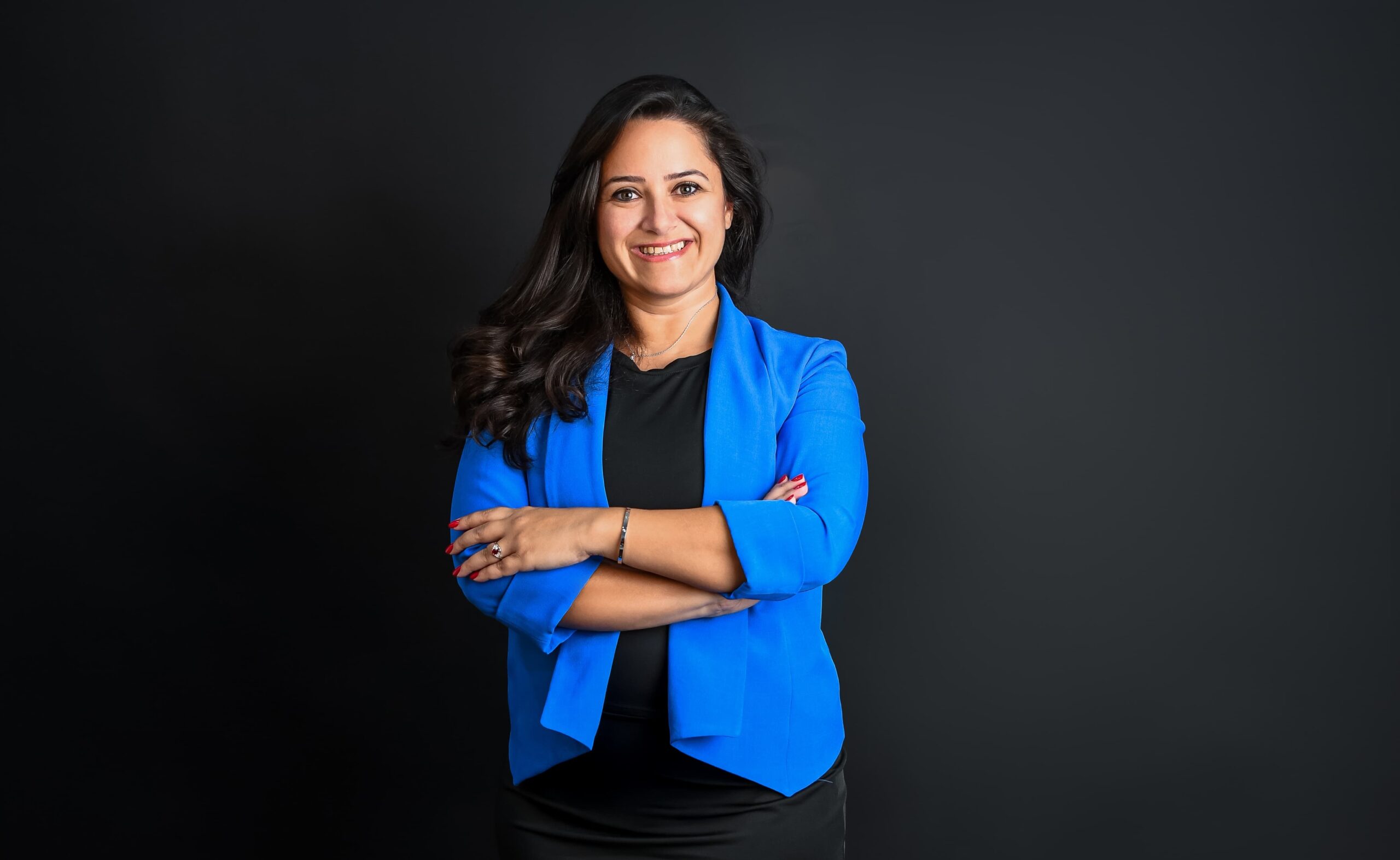
In the complex world of clinical research and healthcare governance, where stringent regulations meet human vulnerability, there exists a rare breed of leader who understands that protecting people is not about enforcing rules but about honoring trust. Nour Saleh represents this evolution in leadership, a professional who has spent over 16 years transforming how research ethics is perceived and practiced across Qatar and beyond.
Her journey into research ethics began at an intersection that fascinates few but impacts many: where science, ethics, and real people converge. Unlike many who stumble into their calling, Nour was drawn deliberately to this space, recognizing early in her career a fundamental truth that would shape her entire professional philosophy.
“Strong ethical oversight doesn’t just protect participants, it actually makes the research better and more trustworthy,” Nour reflects on what initially captivated her about this field. This insight reveals a sophisticated understanding that ethics and excellence are not opposing forces but complementary partners in advancing human knowledge.
What began as intellectual curiosity has matured into enduring commitment. Sixteen years later, Nour’s motivation remains rooted in tangible impact: safeguarding participants, building public trust, and supporting investigators as they navigate the intricate landscape of ethical, compliant research. The field’s constant evolution alongside science and technology ensures that complacency is never an option, and Nour finds profound purpose in knowing her work enables research to move forward responsibly.
REFRAMING THE NARRATIVE: FROM REGULATORY HURDLE TO QUALITY MARKER
One of Nour’s most significant contributions has been her pivotal role in shaping Qatar’s national research ethics infrastructure. This achievement extends far beyond administrative restructuring or policy documentation. She has fundamentally shifted how ethics is perceived within the research community.
“Helping shift the way ethics is viewed from a regulatory hurdle to a marker of research quality” stands as the accomplishment Nour takes greatest pride in. This philosophical transformation represents years of patient education, consistent demonstration, and unwavering commitment to showing rather than simply telling.
Her contribution has supported the development of a nationally aligned research ethics system in Qatar, achieving a delicate balance: meeting rigorous international accreditation standards while respecting Qatar’s unique cultural and research context. This cultural sensitivity combined with global excellence exemplifies the nuanced thinking that characterizes Nour’s approach to leadership.
The work has positioned Qatar’s research community for trusted international collaboration, strengthening both participant protections and the nation’s standing in the global scientific community. When institutions across a country achieve better alignment in ethics practices, the benefits ripple outward, touching every stakeholder from individual participants to international research partners.
THE PARADOX OF COMPASSIONATE RIGOR
Leading at the intersection of regulatory rigor and people-first leadership presents inherent tensions that would paralyze less thoughtful leaders. How does one maintain uncompromising ethical standards while leading with compassion and human connection? For Nour, the answer lies in fundamentally reframing what regulations represent.
“Regulations are there to serve people, not just check boxes,” she explains with the clarity of someone who has internalized this truth through countless challenging situations. She views regulations as guardrails meant to protect participants, researchers, and institutions while still leaving room for conversation, education, and empathy.
This perspective transforms compliance from a punitive exercise into a collaborative process. Her practical approach begins with listening, a deceptively simple practice that few leaders truly master. When someone struggles with regulatory requirements, Nour recognizes they are typically under pressure or uncertain about navigation rather than willfully resistant.
By taking time to understand their perspective and explain the reasoning behind requirements, she creates partnerships rather than adversarial relationships. This approach yields a powerful outcome: trust and clarity lead to better compliance, not because people fear consequences but because they understand purpose.
“Compassion doesn’t weaken rigor, it actually strengthens it,” Nour observes, articulating a principle that challenges conventional assumptions about effective oversight. Her experience demonstrates that when people feel supported rather than policed, they become more engaged partners in upholding ethical standards.
THE PSYCHOLOGY OF ETHICAL LEADERSHIP
Nour’s formal training as a Certified Positive Leadership Coach and NLP Practitioner adds sophisticated psychological dimensions to her leadership toolkit. These credentials are not ornamental but deeply integrated into how she leads in healthcare’s high-stakes environment.
The training has made her more intentional about listening, leading with empathy, and building trust. She focuses on creating safe, non-judgmental spaces where people feel comfortable speaking openly instead of avoiding tough conversations. In healthcare settings where honest dialogue and trust are essential, this approach produces tangible results through stronger relationships and more meaningful, productive conversations with teams and stakeholders.
This psychological foundation informs her definition of people-first leadership in highly regulated environments. She articulates it clearly: “Remembering that the rules are there to protect people, not replace human judgment.” The distinction is crucial. Rules provide structure and guidance, but human judgment informed by empathy, respect, and clear communication remains irreplaceable.
In practice, people-first leadership manifests through listening closely, creating psychological safety, and ensuring people feel comfortable raising concerns early. When people feel trusted and valued, engagement increases and the likelihood of doing the right thing rises naturally. Nour doesn’t see this approach as lowering standards but rather as raising them by building cultures of trust, transparency, and shared responsibility for ethical research.
ARCHITECTING PSYCHOLOGICAL SAFETY
Nour’s reputation for cultivating ethical, inclusive, and high-performing teams rests on consistent, visible leadership behaviors that create genuine psychological safety. She identifies several foundational practices that build trust and inclusion.
An open-door policy serves as the cornerstone, not as empty rhetoric but as lived practice. People need to know they can raise concerns, share ideas, or ask questions without fear of judgment or repercussions. This policy becomes meaningful only when leaders consistently welcome ideas and different perspectives, reinforcing that innovation and improvement emerge from open dialogue.
Leading with compassion and genuine care for team wellbeing, especially during high-pressure situations, ensures individuals feel supported rather than blamed or abandoned. This support becomes particularly crucial when mistakes occur or challenges arise, moments that reveal whether stated values align with actual practices.
Nour intentionally fosters an “all for one” culture grounded in shared purpose and mutual respect. This collective orientation balances individual accountability with team cohesion, preventing the isolation that can undermine psychological safety. She deliberately gives credit where it’s due and celebrates both individual and team successes, recognizing that acknowledgment fuels continued excellence.
Together, these behaviors create environments where people feel safe, valued, and empowered to perform at their best. The results speak through team performance, retention, and the quality of ethical decision-making that emerges when people bring their full thinking to the table.
MENTORING FOR COMPLEXITY
Nour’s approach to mentoring emerging leaders reflects her understanding that today’s leadership challenges require more than tactical skills. Navigating complexity, ethical dilemmas, and change demands internal clarity that cannot be imported from external sources.
She begins by creating spaces where admitting uncertainty and asking hard questions is safe. This permission to not know everything immediately reduces the pressure that often leads to premature conclusions or false confidence. From this foundation, she works with emerging leaders to clarify what matters most: their values, purpose, and the kind of leader they want to become.
“So they have an inner compass to rely on when situations get messy,” Nour explains, recognizing that external guidance becomes unavailable precisely when leaders need it most. Developing this internal compass requires slowing down to see bigger pictures, understanding people affected by decisions, and considering both short-term and long-term consequences.
When ethical dilemmas arise, she facilitates open conversations about trade-offs and pressures, focusing on making choices emerging leaders can stand behind with integrity and base on facts. This approach builds decision-making confidence grounded in values rather than merely following formulas or precedents.
Through reflection, honest conversation, and learning from real experiences, emerging leaders develop the confidence to lead through change with empathy, clarity, and the courage to act even when easy answers remain elusive.
Crucially, Nour reinforces these lessons by practicing and modeling the same leadership herself. “The most powerful learning often comes from what leaders see demonstrated, not just what they are told,” she notes, acknowledging how she herself learned. This alignment between teaching and practice gives her mentoring authentic power.
STAYING GROUNDED WHEN PRESSURE MOUNTS
Leadership’s demands for calm amid uncertainty require more than professional competence. Nour has developed personal practices that enable her to manage responsibility, accountability, and pressure without losing herself in the process.
Daily routines and time for reflection provide foundational stability. She acknowledges honestly that managing responsibility and pressure remains a learning process where some days prove easier than others, but consistent effort helps movement toward her best self. Living consciously, noticing when balance slips, and taking steps to recalibrate prevents small disruptions from becoming major derailments.
Mindfulness, planning, and small reminders help her focus on what she can control while releasing what she cannot. This discernment between controllable and uncontrollable factors reduces wasted energy and emotional exhaustion.
Physical and mental wellbeing receive priority through yoga, meditation, sports, and healthy habits. These practices are not indulgences but essential maintenance for sustainable high performance. Additionally, Nour draws significant strength from her team, trusting their expertise, keeping communication open, and collaborating closely.
Together, these practices enable leading with calm, clarity, and accountability even when situations feel uncertain or high-pressure. The goal is not eliminating pressure but developing capacity to remain effective within it.
TRANSFORMATION THROUGH CHALLENGE
Nour’s path as a woman leader in healthcare and research governance has included situations that tested her confidence and required substantial growth. Rather than viewing these challenges as barriers, she has transformed them into sources of strength.
Navigating high-pressure moments while asserting her voice and staying true to her values demanded continuous skill development. Over time, she has learned to improve communication skills and deepen understanding of people’s needs. This evolution enables being assertive and decisive without harshness, building trust and fostering collaboration.
Combining compassion with clarity and accountability allows leading authentically, creating inclusive, high-performing teams, and inspiring others to do the same. The challenges that once felt threatening have become the very experiences that forged her distinctive leadership approach.
This transformation illustrates a broader truth about leadership development: obstacles often contain the precise lessons needed for the next level of effectiveness. The key lies in approaching challenges with curiosity and commitment to growth rather than defensiveness or avoidance.
MOTHERHOOD AS LEADERSHIP LABORATORY
When asked about influences on her leadership philosophy, Nour speaks about motherhood with unmistakable pride and conviction. “Motherhood, to me, is my proudest achievement and it’s taught me so much about leadership.”
The parallels run deep. As a mother, she guides, supports, and serves as a role model daily. She functions as anchor in both calm and challenging moments, responsibilities deeply intertwined with leadership. The skills practiced at home—active listening, patience, compassion, and genuine care—translate directly to workplace effectiveness.
Motherhood has strengthened her ability to lead with empathy, make thoughtful decisions, and nurture growth, whether guiding children or supporting teams. It serves as daily, living practice of leadership that shapes how she shows up in every professional and personal interaction.
Her children have become unexpected teachers. “Kids are the best teachers,” Nour reflects. “They taught me a lot about human beings’ nature just by observing how purely they perceive life and others.” This observation reveals humility and openness to learning from unexpected sources, qualities that prevent experienced leaders from becoming rigid or closed to new insights.
THE RHYTHM OF RENEWAL
Outside professional demands, creativity and movement play essential roles in Nour’s life. These activities are not peripheral hobbies but central practices supporting her leadership mindset.
After hectic or high-pressure days, tennis provides physical activity and sharpness. Reading creates space for reflection and exploration of new ideas. Painting offers expression and opportunity to work through thoughts and emotions. These little rituals clear her mind and help regain perspective.
Returning to work after these activities, she feels calmer, more patient, and ready to tackle challenges thoughtfully with the focus and balance good leadership requires. This intentional rhythm of engagement and renewal prevents the depletion that undermines sustained excellence.
The variety across these activities matters. Physical movement, intellectual stimulation, and creative expression each address different dimensions of human needs. Together, they create wholeness that single-focus approaches cannot achieve.
WISDOM FOR WOMEN LEADERS
Drawing from her extensive experience, Nour offers clear advice to women striving to lead with integrity, confidence, and empathy in demanding professional environments.
“Embrace your unique strengths and lead authentically,” she counsels. “Integrity, confidence, and empathy work best when they’re used together.” This integration prevents the fragmentation where leaders present different faces in different contexts, an exhausting and ultimately unsustainable approach.
Her guidance becomes practical: listen actively, nurture relationships, and make value-driven decisions even when things get tough. Surrounding yourself with people who genuinely want to see you succeed while tuning out noise that doesn’t serve your vision protects focus and energy.
Building resilience through self-care and reflection, celebrating wins always, seeking mentorship when needed, and staying humble creates sustainable high performance. Being clear about your vision and living it as if it’s already happening generates powerful momentum.
“Trust yourself, trust your voice, and trust your ability to inspire and lead with purpose while staying true to your principles,” Nour emphasizes, recognizing that self-trust often proves more challenging than trusting others yet remains foundational to authentic leadership.
REDEFINING SUCCESS
Nour’s definition of success challenges conventional metrics. “Being true to yourself, it’s not measured by the money in your bank account or the title on your door.”
Professionally, success means leading with purpose, integrity, and alignment with values, ensuring every decision reflects what you stand for. Personally, success involves making meaningful differences and having positive influence on people around you, whether in family, community, or workplace.
“It’s about impact, authenticity, and living in a way that feels aligned with who you are,” Nour explains. “When you do that, it naturally brings gratitude and happiness.” This perspective liberates leaders from endless striving toward external validation, redirecting energy toward internal alignment and genuine contribution.
The emphasis on authenticity and alignment suggests that success emerges from coherence between internal values and external actions rather than from achievement of arbitrary benchmarks. This understanding prevents the hollow victories that leave successful people feeling empty.
A LEGACY IN THE MAKING
Looking toward 2026 and beyond, Nour envisions a legacy reflecting leadership that is principled, people-centered, and transformative. In research ethics, she hopes to leave frameworks that protect participants, strengthen institutions, and advance Qatar’s research culture.
Through coaching and human development, she aims to foster humane, inclusive environments where trust, empathy, and diverse perspectives thrive. This vision extends beyond her immediate sphere of influence to shape how future generations approach leadership and ethics.
Ultimately, Nour hopes to inspire others to lead with compassion, confidence, and integrity, empowering teams and the next generation to grow, collaborate, and thrive while staying true to their values. This aspiration recognizes that lasting impact comes not from individual achievements but from multiplicative effects as those she influences go on to influence others.
THE RIPPLE EFFECT OF PRINCIPLED LEADERSHIP
Nour Saleh’s story demonstrates that transformative leadership in highly regulated environments need not choose between rigor and humanity. By grounding ethical oversight in genuine care for people, she has shown that compassion strengthens rather than weakens standards.
Her influence extends across multiple domains: reshaping how an entire nation approaches research ethics, coaching emerging leaders toward authentic effectiveness, and modelling integration of professional excellence with personal wholeness. Through each role, she demonstrates that leadership’s ultimate measure lies not in compliance rates or organizational charts but in positive influence on human lives.
As healthcare and research continue evolving amid technological advancement and increasing complexity, leaders like Nour provide essential guidance on maintaining humanity within systems. Her example proves that success defined by authenticity and impact creates deeper satisfaction than success measured by conventional metrics.
The future of research ethics and healthcare leadership will be shaped by professionals who understand that protecting people requires more than following rules. It demands listening deeply, thinking systemically, and leading with the compassion that recognizes shared humanity beneath professional roles. Nour Saleh’s career provides a roadmap for achieving this integration, demonstrating that principled, people-centered leadership can transform institutions while remaining true to core values.
For women leaders navigating demanding professional environments, her journey offers both inspiration and practical wisdom. The challenges that test confidence can become sources of distinctive strength. The practices that sustain personal wellbeing directly enhance professional effectiveness. The courage to lead authentically, even when easier paths beckon, creates legacy worth leaving.
As she continues building Qatar’s research ethics infrastructure while coaching the next generation of leaders, Nour embodies the possibility of leadership that serves both organizational missions and human flourishing. Her story reminds us that the most powerful transformations often begin with a simple yet profound commitment: to see people first, to lead with integrity, and to trust that doing right ultimately serves everyone best.