“Organizations don’t achieve results. People do. And people perform at their best when they feel valued, trusted, respected, and supported. When leaders create those conditions, performance becomes a natural outcome rather than something that must be forced.”
– Katrina Lancaster
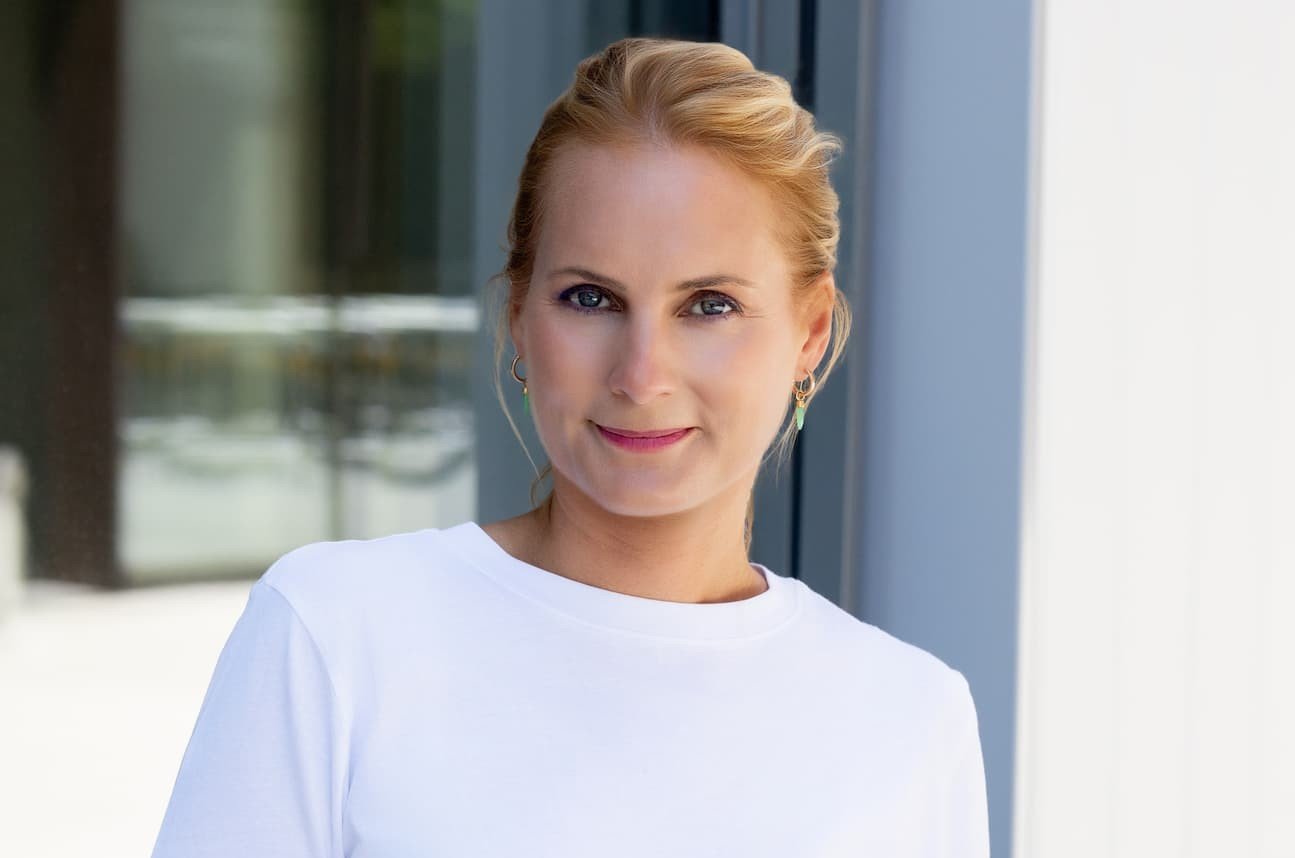
Some careers begin with a carefully mapped plan. Others unfold through genuine curiosity about people and a desire to help them navigate life’s uncertainties. Katrina Lancaster’s journey belongs to the latter. Throughout her career, she has been driven by one enduring question: How can we create workplaces where people feel supported, valued, and able to perform at their very best?
But before she could answer that question with clarity, she had to live it. She had to experience what it feels like to be on the other side of organizational decisions. She had to rebuild after loss. She had to choose authenticity over convenience. And through each of these moments, she discovered something that could never have come from business school or HR textbooks: what it truly means to support people during their most vulnerable transitions.
THE FIRST DEFINING MOMENT: UNDERSTANDING LOSS FROM THE INSIDE
Katrina’s career in HR began with a clear professional responsibility: support people through organizational change. During one significant restructuring, she found herself managing the people side of a major workforce reduction. She showed up each day focused on the processes, the communications, the logistics of transition.
Then something unexpected happened. She too found herself facing redundancy. Suddenly, she was no longer the HR professional managing change from behind a desk. She was a person experiencing loss, uncertainty, and the quiet terror of not knowing what comes next.
In that moment, everything she thought she understood about supporting people through transition shifted. She did not need a well-crafted communication strategy. She needed someone to listen without trying to fix everything. She did not need process documentation. She needed dignity in how she was treated. She did not need efficiency. She needed empathy.
This experience permanently changed how Katrina approaches her work. It transformed her from an HR professional executing organizational decisions into a leader who understands, from the inside, what it means to navigate uncertainty. It taught her that leadership is not about the words you say during transitions. It is about the presence you bring, the listening you offer, and the dignity you preserve when people are most vulnerable.

“That experience was the beginning of truly understanding people,” she reflects. “It stopped being about managing a process. It became about honoring a human being in their moment of loss.”
REBUILDING THROUGH COURAGE: ONE DECISION AT A TIME
In the aftermath of redundancy, Katrina faced a choice that many people face when their professional identity has been shaken. She could retreat. She could play it safe. Or she could lean into the very uncertainty she now understood so deeply.
She chose courage. She invested in her own development through the IMD High Performance Leadership programme, immersing herself in learning alongside leaders from around the world. She challenged herself physically by completing the Dents du Midi trail marathon, discovering what her body and spirit were capable of. She built a home, creating a physical space that reflected who she was becoming rather than who she had been.
These were not grand achievements. They were quiet acts of rebuilding. Each one represented a decision to move forward rather than remain stuck. Each one required her to face fear and choose growth anyway. Each one reconnected her with a resilience that had always been within her but had been buried under years of corporate structure and professional certainty.
What Katrina discovered during this period would become central to her leadership philosophy: resilience is not something people are born with. It is something they build through small courageous decisions, one after another. And when leaders have experienced their own rebuilding, they can help others recognize that they too possess the capacity to rebuild.
“Healing is not about returning to who you were,” she now understands. “It is about becoming who you are meant to be.”
THE CENTRAL TRUTH: ORGANIZATIONS DONT ACHIEVE RESULTS
From her years as an unemployment advisor through her transformation in HR, Katrina has witnessed a consistent pattern: every organizational achievement, every transformation, every strategic objective comes down to people. Behind the business plans are individuals trying to make sense of change. Behind the performance metrics are human beings with hopes, fears, and the desire to contribute meaningfully.
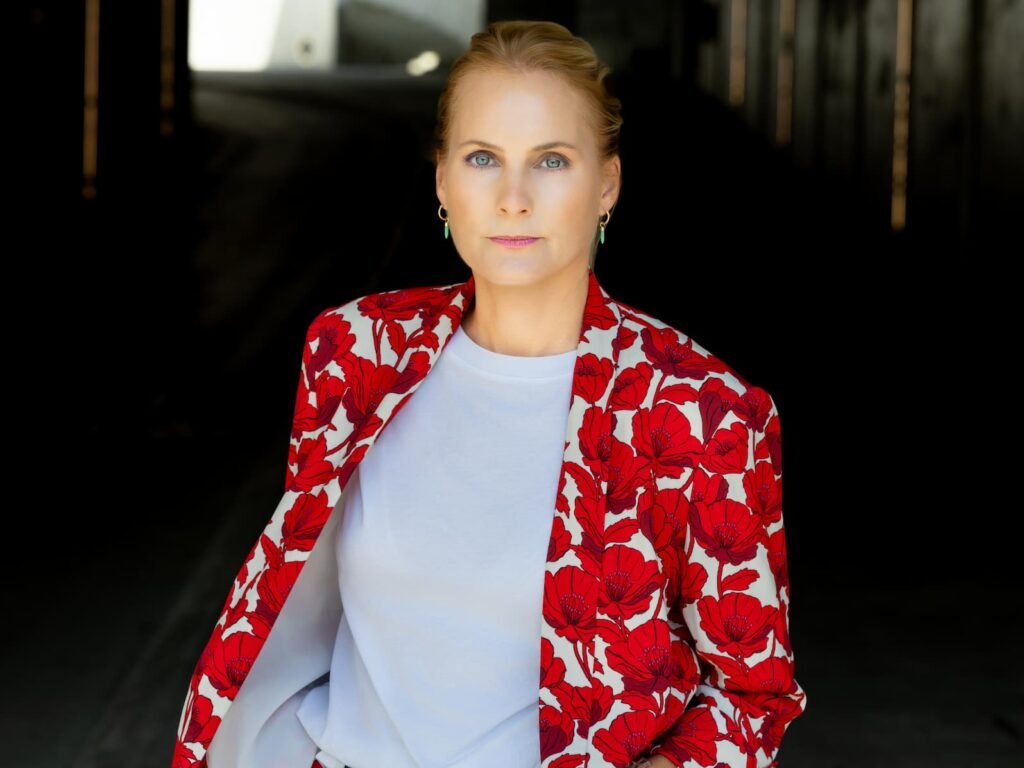
This insight led her to a leadership philosophy that many organizations still struggle to embrace: human-centered leadership is not soft or secondary. It is the foundation upon which sustainable performance is built.
“Organizations don’t achieve results,” she explains. “People do. And people perform at their best when they feel valued, trusted, respected, and supported. When leaders create those conditions, performance becomes a natural outcome rather than something that must be forced.”
BUILDING CULTURES WHERE ACCOUNTABILITY AND TRUST COEXIST
One persistent misconception frustrates Katrina: that psychological safety requires lowering standards or avoiding accountability. In her experience, the opposite is true.
When employees fear making mistakes, they become cautious and protective. Innovation slows. Learning declines. People focus on defending themselves rather than contributing. Yet when leaders create environments where mistakes become opportunities for growth, something remarkable happens: people take calculated risks, they speak up with ideas, they learn from failures and move forward stronger.
“Psychological safety is not about lowering standards or removing accountability,” Katrina states. “It is about creating an environment where people feel safe enough to speak up, experiment, learn, and grow. Because mistakes are not the opposite of success. They are often part of the path to it.”
UNDERSTANDING HUMAN POTENTIAL: BEYOND TRADITIONAL SOLUTIONS
Katrina’s passion for understanding people led her to explore coaching, neuroscience, Neuro Linguistic Programming, and hypnosis. Her interest has never been about the techniques themselves. It has always been about answering a fundamental question: Why do some people thrive through uncertainty while others become stuck in limiting patterns?
What she discovered through neuroscience reinforced her deepest belief: people possess remarkable capacity for growth. Through neuroplasticity, individuals can reshape habits, develop new perspectives, and strengthen resilience throughout their lives.
“The role of leadership is not to give people something they don’t have,” she explains. “It is to help them reconnect with what has been there all along. Resilience, creativity, courage, adaptability. These qualities are often already present within people. They are just buried beneath years of self doubt, limiting assumptions, or outdated thinking.”
THE SECOND TURNING POINT: WHEN YOUR DREAM ROLE STOPS FITTING
Years after rebuilding from redundancy, Katrina progressed through interview processes with eight different companies. Each conversation brought her closer to what she genuinely believed would be the dream role of her career. When the final offer came, she accepted with genuine excitement. This was it. This was the role she had been working toward.
Then something unexpected happened. Not immediately, but gradually, she began to notice a quiet misalignment. The role itself was not wrong. The organization was not wrong. Something more subtle was happening. She was changing.
Through years of personal development, healing, and self-discovery, Katrina had become someone different from the person who had been so hungry for that corporate HR role. Her values had shifted. Her sense of purpose had evolved. What she wanted to contribute to the world no longer aligned with the organizational structure she found herself in.
This realization led to another courageous decision: to leave corporate HR and begin a new chapter. A chapter where she could work as an executive coach, supporting leaders through their own transformations. A chapter where her work could be more deeply aligned with her values and her authentic self.
What Katrina learned through this second turning point became perhaps her most important leadership insight: titles tell people what you do. They do not tell them who you are. And Sustainable fulfillment comes not from climbing higher, but from growing deeper into who you truly are.
THE INWARD JOURNEY: LEADERSHIPS MOST IMPORTANT PATH
When asked what advice she would give to leaders wanting to create more human-centered organizations, Katrina brings the conversation inward.
“Many leaders spend their careers focused on climbing the ladder. The next role, the next objective, the next challenge. And there is nothing wrong with climbing. But every now and then, it is worth pausing to ask: Is the ladder leaning against the right wall?”
This question reframes what matters in leadership. Climbing higher means nothing if the ladder is leaning against the wrong wall. Leadership is not only about moving upward. It is also about looking inward.
“We can only support others to the depth that we have explored ourselves,” she states. “The most important leadership journey is not only upward. It is inward. And what we discover there shapes how we lead everywhere else.”
LEADING THROUGH CHANGE: BUILDING TRUST IN UNCERTAINTY
The real challenge of change in organizations is not the change itself. It is how people experience it. Change brings uncertainty, which naturally triggers stress, anxiety, and fear.
“In these moments, a leader’s role is to create reassurance, not through false certainty, but by building trust and psychological safety,” Katrina explains. “The goal is not to remove uncertainty. The goal is to create enough trust that people can move through uncertainty together.”
At a deeper level, uncertainty can trigger a fight-or-flight response in people, showing up as urgency, overworking, or constant busyness. Katrina has learned that people do not just listen to what leaders say. They respond to who leaders are. Leadership is not about having all the answers. It is about building trust, fostering connection, and helping people move forward together.
SEEING THE BIGGER PICTURE: THE VALUE OF EXTERNAL PERSPECTIVE
Throughout her career, Katrina has also valued the role that external coaches and consultants play in helping organizations grow.
“Leadership can be a little like standing inside a picture frame,” she explains. “The closer you are to it, the harder it becomes to see the whole picture. That is often where an external perspective becomes invaluable.”
External partners create the space for leaders to step back, reflect, and see what may have become invisible from within. Sometimes the greatest value is not the answers they provide. It is the questions they ask. Questions that help leaders see differently, think differently, and discover possibilities they may not have considered before.
THE FUTURE BELONGS TO LEADERS WHO UNDERSTAND PEOPLE
Looking ahead, Katrina believes the most successful leaders will not necessarily be those with the greatest technical expertise. They will be those who understand themselves, connect authentically with others, and create cultures where people feel inspired to reach their full potential.
Her advice to future leaders is both simple and profound: Career progression and organizational success matter, but leadership is equally an inward journey of self awareness and personal growth. Only by understanding ourselves can we genuinely understand and support others.
THE LEGACY: TWO IDEAS THAT DEFINE A PHILOSOPHY
Throughout her career, Katrina Lancaster has demonstrated that people remain every organization’s greatest strength. By combining empathy with accountability, trust with performance, and personal growth with organizational success, she has helped leaders create workplaces where individuals and businesses flourish together.
As her career continues to evolve, two ideas best represent her philosophy today:
“A title tells people what you do. It does not tell them who you are.”
And perhaps most importantly:
“Organizations do not transform. People do. And when people transform, everything around them begins to transform as well.”
This is the legacy Katrina hopes to leave. Not a set of processes or policies, but a reminder that sustainable organizational success is built on authentic human connection, continuous personal growth, and the courage to align our work with our deepest values.