“Every clinical trial design, every risk, every strategy to execute a project with the best quality should be with the patient at the core. Arduous as it may seem, it is also non-negotiable.”
-Dr. Anupama Hariharan
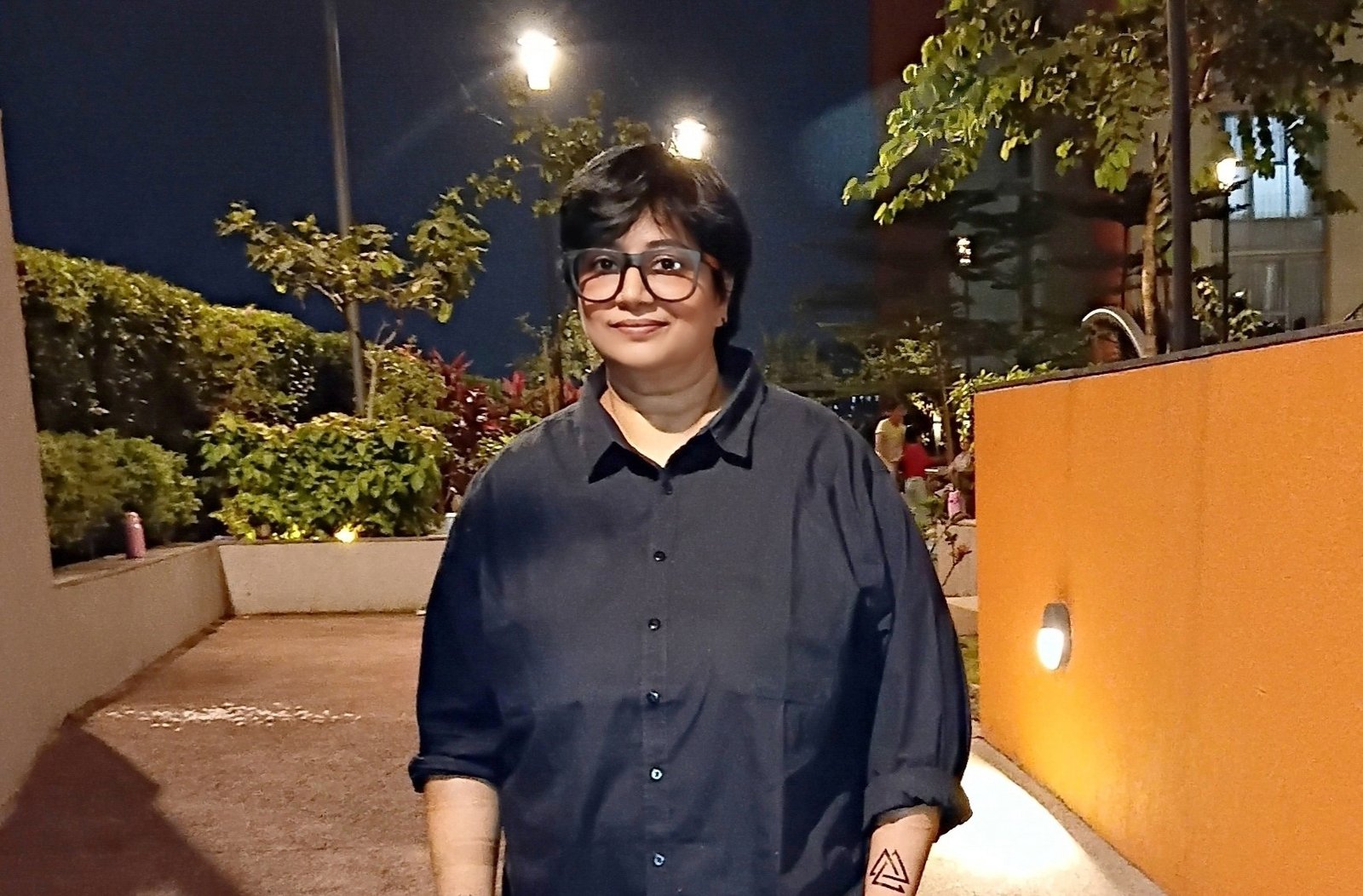
Few careers in clinical research begin in a dental chair. Yet for Dr. Anupama Hariharan, that is precisely where the journey started. A trained dentist who made an informed transition into clinical research over two decades ago, she has spent twenty-two years building a career defined by intellectual curiosity, principled leadership, and a consistent belief that patients are not simply the subjects of clinical trials but the entire reason they exist. Today, as Associate Director of Biotechnology at a leading Contract Research Organization, she leads project management teams across the Asia Pacific region with the same conviction that shaped her very first steps in the industry: get the foundation right, keep the patient central, and never mistake a shortcut for a solution.
From Dentistry to Clinical Research: A Journey Built on Passion
The move from clinical dentistry into the world of clinical research was not a retreat from patient care. It was an expansion of it. Dr. Anupama recognized early that clinical research offered something uniquely powerful: the opportunity to shape the standards and systems that would determine the quality of care for patients far beyond any single consultation room. Twenty-two years later, having moved through a wide range of roles within the clinical research industry, that original motivation remains the thread connecting every chapter of her career.
Her journey through progressively senior roles has given her a perspective that combines hands-on operational experience with the strategic view required at the Associate Director level. She leads project managers, manages resourcing and budgets, oversees stakeholder relationships, and contributes to Centre of Excellence functions that shape how clinical operations are conducted across her organization. What ties all of it together is the foundational belief she carries from her earliest days in the field: shortcuts are, in her words, the longest route between two points.
People at the Heart: Leadership Shaped by Mentors and Mindset
Dr. Anupama is candid about the forces that shaped her leadership style. Working with both supportive and challenging managers taught her that effective people management requires breadth of perspective, not just technical knowledge. Her mentors and coaches, whose influence she speaks about with genuine gratitude, guided her through complex professional situations with a combination of tough love and solution-oriented thinking that she now brings to her own team.
One of the frameworks that most influences her approach to team dynamics is her training as a DiSC practitioner. Understanding how individuals prefer to communicate, receive information, and engage with conflict has given her a practical tool for building cohesive teams in a field where cross-functional collaboration is not optional. Her guiding principle for interpersonal engagement is the Platinum Rule: treat others as they want to be treated, not as you would want to treat them. It is a subtle but significant distinction, and one that she considers essential to building the kind of stakeholder trust that sustains complex, multi-year trials.

“The Platinum Rule is what matters at the end of the day: treat others as they want to be treated. Effective communication can build or damage stakeholder relationships. It is essential to continually improve how we communicate.”
Navigating Complexity: Stakeholder Management and Principled Pragmatism
Ask Dr. Anupama about the most demanding challenges in clinical trial management and she does not hesitate: stakeholder management sits at the top of the list. The technical dimensions of running a clinical trial are demanding, but they are learnable. Managing the human dynamics across sponsors, investigators, regulators, patients, and internal teams in an environment where misalignment carries real clinical and commercial consequences require a different kind of discipline entirely.
Her approach draws on a practice she describes as separating the left-hand column from the right-hand column: the internal narrative running through any difficult conversation versus what is actually being said out loud. By deliberately stepping back from the emotional charge of a challenging stakeholder interaction and examining both sides of that gap with neutrality, she is able to re-enter the conversation with greater clarity and less reactivity. Knowing when to be assertive and when to adapt, she explains, comes from developing a principled yet pragmatic orientation to problems rather than a reactive one.
Technology, Data, and the Future of Clinical Trials
Dr. Anupama holds a measured but genuinely optimistic view of how digital transformation is reshaping clinical research. Greater access to relevant information improves timeliness and patient engagement. Innovative platforms that allow patients to raise queries and receive responsive support build confidence in the healthcare system in ways that traditional trial infrastructure often could not. The thoughtful integration of AI into clinical operations, she believes, has the potential to reduce the human-dependent errors that have historically created preventable inefficiencies.
Looking further ahead, she sees predictive data analytics as among the most transformative forces on the horizon. The ability to use robust, analyzable datasets to model drug development outcomes could reduce the number of patients exposed to experimental risk, accelerate the hypothesis-building process, and in some cases eliminate the need for traditional trial structures altogether. It is a future she views with both excitement and the measured caution that twenty-two years in clinical operations naturally produces.
Advice for the Next Generation: Passion Over Shortcuts
To those building careers in biotechnology and clinical research, Dr. Anupama offers counsel that is straightforward and born from experience. Enter the profession because you care about it, not because of what it pays in the short term. Remuneration, she acknowledges, matters and is real. But it is proportional to the technical and interpersonal skills a professional is genuinely willing to develop. Those who invest in both, who resist the temptation of shortcuts and embrace the slower, more demanding path of genuine competence, will find that their career builds on itself in ways that the shortcut-takers never experience.
It is a philosophy that mirrors how she has led her own career: with patience, with rigour, and with the patient always at the centre of the work. In a field where the stakes are measured in human health outcomes, that orientation is not idealism. It is the only approach that holds up over time.