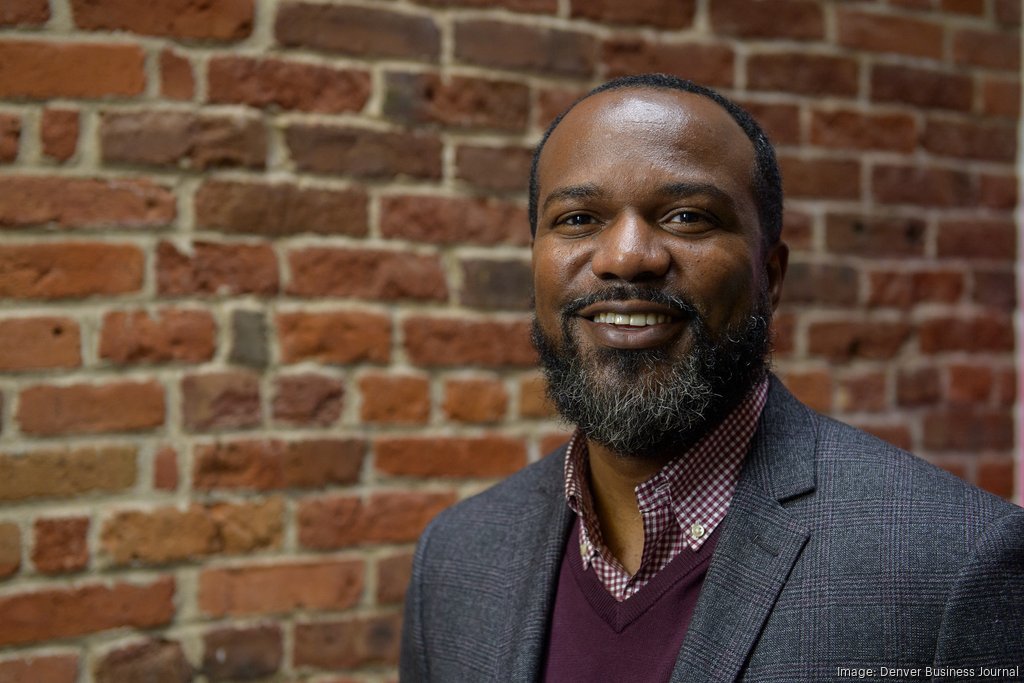
“Leadership is ultimately measured by the lives we empower, the opportunities we create, and the hope we leave behind.”
– Dr. Fernando Branch
FROM MEMPHIS TO A MISSION OF EDUCATIONAL EQUITY
For Dr. Fernando Branch, education has always represented something far greater than academic achievement. It is one of society’s most powerful engines for opportunity, economic mobility, and generational transformation. Throughout a distinguished career spanning classroom teaching, school leadership, executive leadership, authorship, and coaching, he has remained guided by a belief that every child deserves access to an exceptional education regardless of their background, neighborhood, or circumstances.
That conviction was shaped long before he became an educational leader. Growing up on the south side of Memphis, Tennessee, Dr. Fernando experienced both the barriers that limit opportunity and the extraordinary influence that dedicated educators, mentors, and meaningful relationships can have on a young person’s future. Those early experiences taught him that education has the power not only to expand knowledge, but to transform lives, families, and entire communities.
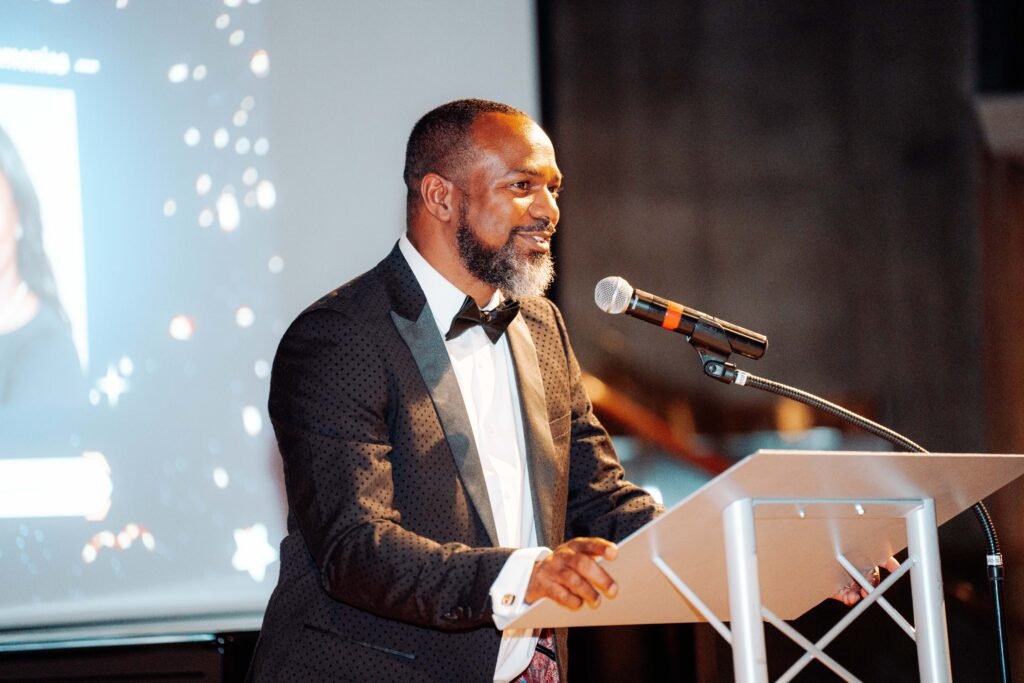
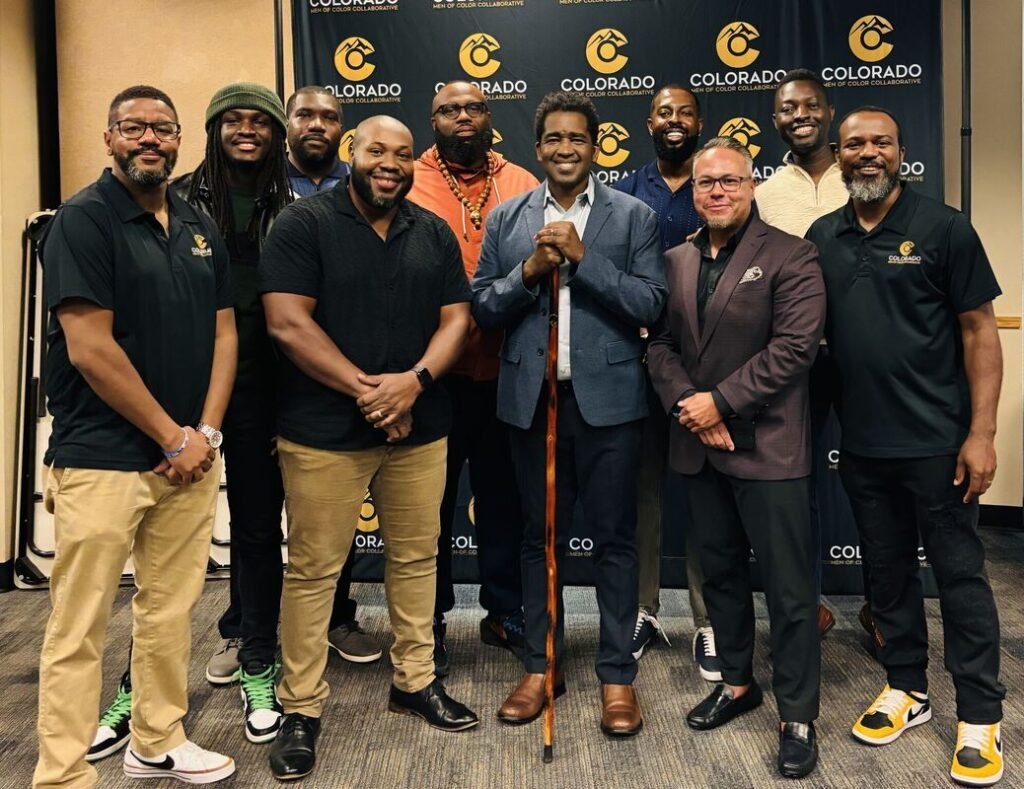
As his career progressed, his understanding of leadership evolved beyond improving individual schools. Today, his work focuses on building educational systems that intentionally remove barriers while creating pathways for every learner to thrive. Whether serving as a principal, executive director, leadership coach, or founder of the Colorado Men of Color Collaborative, his mission has remained remarkably consistent: creating opportunities that allow people to discover their potential and achieve excellence.
For Dr. Fernando, servant leadership is not simply a management philosophy. It is a responsibility grounded in listening before leading, empowering rather than controlling, and designing systems that enable every student, educator, and family to feel valued, supported, and capable of success. He believes equity should never be misunderstood as lowering expectations. Instead, it means ensuring every individual has access to the relationships, resources, and opportunities necessary to reach their highest potential.
BUILDING A MOVEMENT THROUGH THE COLORADO MEN OF COLOR COLLABORATIVE
That philosophy ultimately inspired one of Dr. Fernando’s most impactful initiatives—the Colorado Men of Color Collaborative (CMOCC). Established to address persistent challenges affecting educational attainment, mental wellness, leadership development, and economic opportunity, the organization represents far more than a traditional nonprofit. It is a comprehensive movement designed to strengthen individuals while transforming communities.
Rather than waiting for crises to emerge, CMOCC was built around an alternative philosophy centered on prevention. Dr. Fernando and his team recognized that meaningful change begins long before intervention becomes necessary. By investing early in leadership development, mentorship, emotional wellbeing, educational access, and workforce readiness, they sought to create environments where young men could flourish before barriers became entrenched.
This preventative approach has fundamentally reshaped how the organization measures success. Instead of focusing exclusively on overcoming deficits, CMOCC emphasizes cultivating strengths, expanding opportunity, and empowering individuals to become leaders within their own families and communities. Programs integrate leadership development, mental wellness, college readiness, career preparation, educator diversity, mentorship, and economic mobility into a unified framework that prepares participants not simply for employment, but for purposeful lives.
Equally significant is the organization’s commitment to community ownership. Guided by the principle, “For Community. From Community. Serving Community,” Dr. Fernando believes sustainable solutions emerge when those closest to a challenge are actively involved in designing its solution. Rather than imposing external answers, the collaborative works alongside schools, families, businesses, nonprofit organizations, higher education institutions, and civic leaders to create systems of support that reflect the lived experiences of the communities they serve.
One of the most transformative aspects of CMOCC’s work has been its willingness to normalize conversations surrounding mental health. For generations, many men have been conditioned to suppress vulnerability, often carrying emotional burdens in silence. Dr. Fernando believes changing this narrative is essential. By creating culturally responsive environments where conversations about wellbeing become part of everyday life rather than responses to crisis, the organization is helping reshape perceptions of leadership, resilience, and emotional strength for future generations.
DESIGNING EQUITY THROUGH LEADERSHIP, NOT LUCK
Throughout his leadership journey, Dr. Fernando has consistently challenged one of education’s most persistent misconceptions—that equitable outcomes happen naturally over time. His experience has shown the opposite. Student success is rarely accidental. It is the product of intentional leadership, thoughtful systems, and cultures that place people at the center of every decision.
For Dr. Fernando, equity is not about offering identical experiences to every learner. It is about recognizing that students arrive with different strengths, challenges, and opportunities, and that truly effective leadership creates the conditions for every individual to succeed. This requires leaders to move beyond good intentions and build structures that ensure resources, opportunities, and support are distributed according to need rather than convenience.
That philosophy extends equally to educators. Teachers and school leaders cannot create exceptional learning experiences if they themselves are operating within unsupported systems. Investing in educator wellbeing, leadership development, professional growth, and collaborative cultures ultimately creates stronger learning environments for students. In Dr. Fernando’s view, educational excellence and human wellbeing are inseparable.
This people-centered philosophy has become a defining characteristic of his leadership style. Whether developing school improvement strategies, coaching emerging leaders, or working with statewide initiatives, he continually returns to one fundamental question: How do we build systems where every person feels valued, challenged, and equipped to succeed? The answer, he believes, lies not in isolated programs but in creating organizational cultures where belonging, accountability, and opportunity reinforce one another every day.
DEVELOPING LEADERS WHO CREATE LASTING CHANGE
One of Dr. Fernando’s greatest passions is leadership development. Having benefited from mentors throughout his own journey, he believes leadership should never be viewed as a position reserved for a select few. Instead, it should be cultivated intentionally across every level of an organization.
His coaching philosophy encourages emerging leaders to embrace authenticity, remain curious, and develop the confidence to lead with both courage and humility. Technical expertise is undoubtedly important, but lasting leadership requires emotional intelligence, cultural competence, resilience, and the ability to build meaningful relationships with diverse communities.
Rather than encouraging leaders to seek quick solutions, Dr. Fernando emphasizes reflection, continuous learning, and a willingness to adapt. Educational environments are constantly evolving, shaped by changing student needs, technological advancement, workforce expectations, and broader societal shifts. Leaders who remain open to learning are far better positioned to navigate complexity while maintaining clarity of purpose.
He also believes representation matters profoundly. When students see leaders who understand their experiences and demonstrate what is possible, they begin to imagine broader futures for themselves. Developing diverse leadership pipelines therefore becomes not only an organizational priority but a societal responsibility that strengthens schools and communities alike.
USING DATA TO TELL HUMAN STORIES
As educational systems increasingly rely on performance metrics and accountability frameworks, Dr. Fernando advocates for a balanced approach that combines evidence with empathy. Data plays an essential role in identifying trends, measuring progress, and informing strategic decisions. However, numbers alone can never fully capture the lived experiences, aspirations, or potential of the people they represent.
For this reason, he encourages leaders to use data as the beginning of meaningful conversations rather than the conclusion. Quantitative evidence should always be interpreted alongside qualitative insights gathered from students, educators, families, and communities. When organizations listen as carefully as they measure, they gain a far richer understanding of both challenges and opportunities.
This perspective allows leaders to make decisions that are not only evidence-based but also deeply human-centered. It ensures that improvement efforts remain connected to the people they are intended to serve while reinforcing trust across entire school communities.
BUILDING STRONGER COMMUNITIES THROUGH COLLECTIVE IMPACT
Dr. Fernando firmly believes that no school can achieve transformational outcomes in isolation. Sustainable educational progress requires strong partnerships among educators, families, businesses, higher education institutions, nonprofit organizations, policymakers, and community leaders. Each brings unique perspectives, expertise, and resources that contribute to a broader ecosystem of student success.
This collaborative mindset has guided his work throughout his career. Rather than viewing community engagement as an occasional initiative, he considers it an ongoing relationship built on mutual respect, shared responsibility, and common purpose. When schools actively engage their communities as partners rather than stakeholders, they create stronger support networks capable of addressing both educational and social challenges more effectively.
Such partnerships also strengthen workforce development, mentorship opportunities, career pathways, and civic engagement, ensuring that educational success extends well beyond graduation. For Dr. Fernando, preparing students for the future means helping entire communities grow stronger together.
A LEGACY OF HOPE, OPPORTUNITY, AND TRANSFORMATION
As Dr. Fernando reflects on the impact he hopes to leave behind, his vision extends far beyond the schools he has led or the organizations he has helped build. His aspiration is to contribute to an educational landscape where opportunity is no longer determined by circumstance, where leadership reflects the diversity of the communities it serves, and where every student believes their future is filled with possibility.
He hopes future generations will inherit systems that are more equitable, more compassionate, and more courageous than those that came before them. Systems where educators feel empowered to lead, where students experience genuine belonging, and where communities work together to remove barriers instead of simply responding to them.
For Dr. Fernando, transformational leadership is ultimately measured not by titles, awards, or institutional recognition, but by the lives that are changed through service. Every student who discovers confidence, every educator who finds renewed purpose, every leader who chooses courage over comfort, and every community strengthened through collaboration becomes part of that legacy.
As education continues to evolve, his work offers an enduring reminder that lasting transformation begins with people. When leaders intentionally create cultures rooted in equity, belonging, accountability, and hope, they do far more than improve schools.
They create opportunities that change lives for generations.