Artificial intelligence has become the defining investment story of this decade. Since the launch of generative AI tools, technology companies have added trillions of dollars in market value, venture capital investment has surged, data center construction has accelerated, and businesses across nearly every industry have announced AI strategies.
The enthusiasm has inevitably triggered a familiar question: Is artificial intelligence becoming another internet bubble?
There are undeniable similarities between today’s AI boom and the dot-com era of the late 1990s. During the internet bubble, investors poured capital into companies with limited revenues and uncertain business models because they believed the internet would fundamentally transform society. They were right about the technology but wrong about many of the companies.
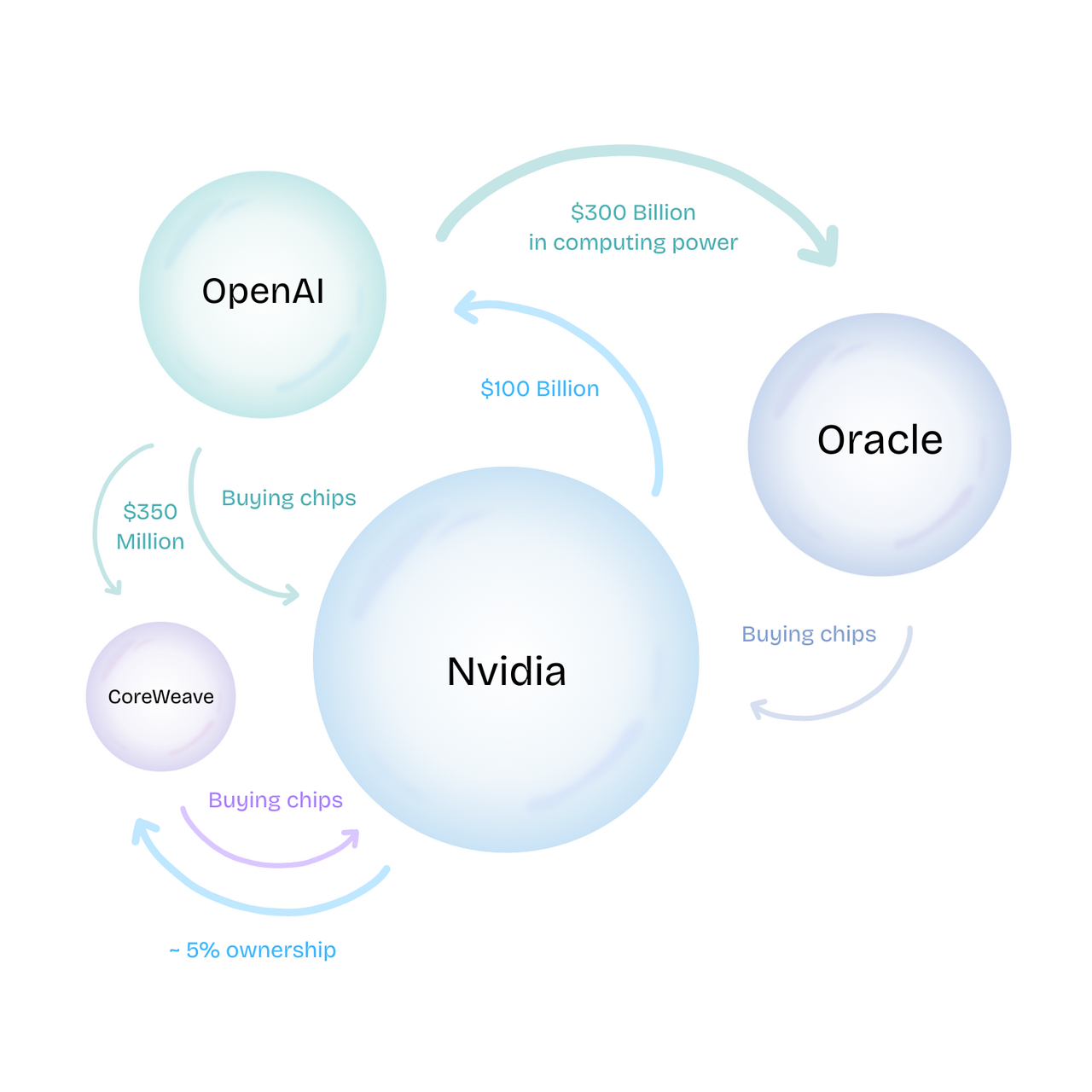
The same pattern is visible today. Hundreds of startups have attracted substantial funding despite limited profitability. Companies are rebranding products as AI-powered to attract investment and market attention. Capital expenditure on AI infrastructure is reaching unprecedented levels, with major technology firms committing hundreds of billions of dollars to data centers, chips, and cloud platforms.
Yet the comparison is only partially accurate.
Unlike many internet startups during the dot-com era, artificial intelligence is already generating measurable economic value. Enterprises are deploying AI in software development, customer support, drug discovery, financial services, logistics, and manufacturing. Productivity studies increasingly suggest that AI can improve worker efficiency, reduce repetitive tasks, and support faster decision-making.
The internet bubble eventually collapsed because expectations far exceeded commercial reality. However, the internet itself went on to create some of the world’s most valuable businesses.
Artificial intelligence could follow a similar path.
The likely outcome is not the disappearance of AI, but a correction in expectations. Some startups will fail. Valuations may become more disciplined. Investors will demand sustainable revenue models instead of growth narratives alone.
History suggests that transformative technologies often experience cycles of excessive optimism followed by periods of consolidation. Railways, automobiles, the internet, and smartphones all experienced this pattern.
For business leaders and investors, the lesson is clear. The question is not whether artificial intelligence will transform industries. It already is.
The more important question is which companies possess genuine competitive advantages, defensible technology, strong economics, and practical use cases.
The internet survived its bubble because it delivered real value.
Artificial intelligence will likely do the same, though not every company participating in today’s excitement will survive the journey.
References
- International Monetary Fund Artificial Intelligence Research
https://www.imf.org - Stanford University AI Index Report
https://aiindex.stanford.edu - National Bureau of Economic Research
https://www.nber.org - Journal of Economic Perspectives
https://www.aeaweb.org/journals/jep - McKinsey Global Institute Generative AI Research
https://www.mckinsey.com/mgi - Harvard Business Review Technology Strategy Collection
https://hbr.org - OECD Artificial Intelligence Observatory
https://oecd.ai