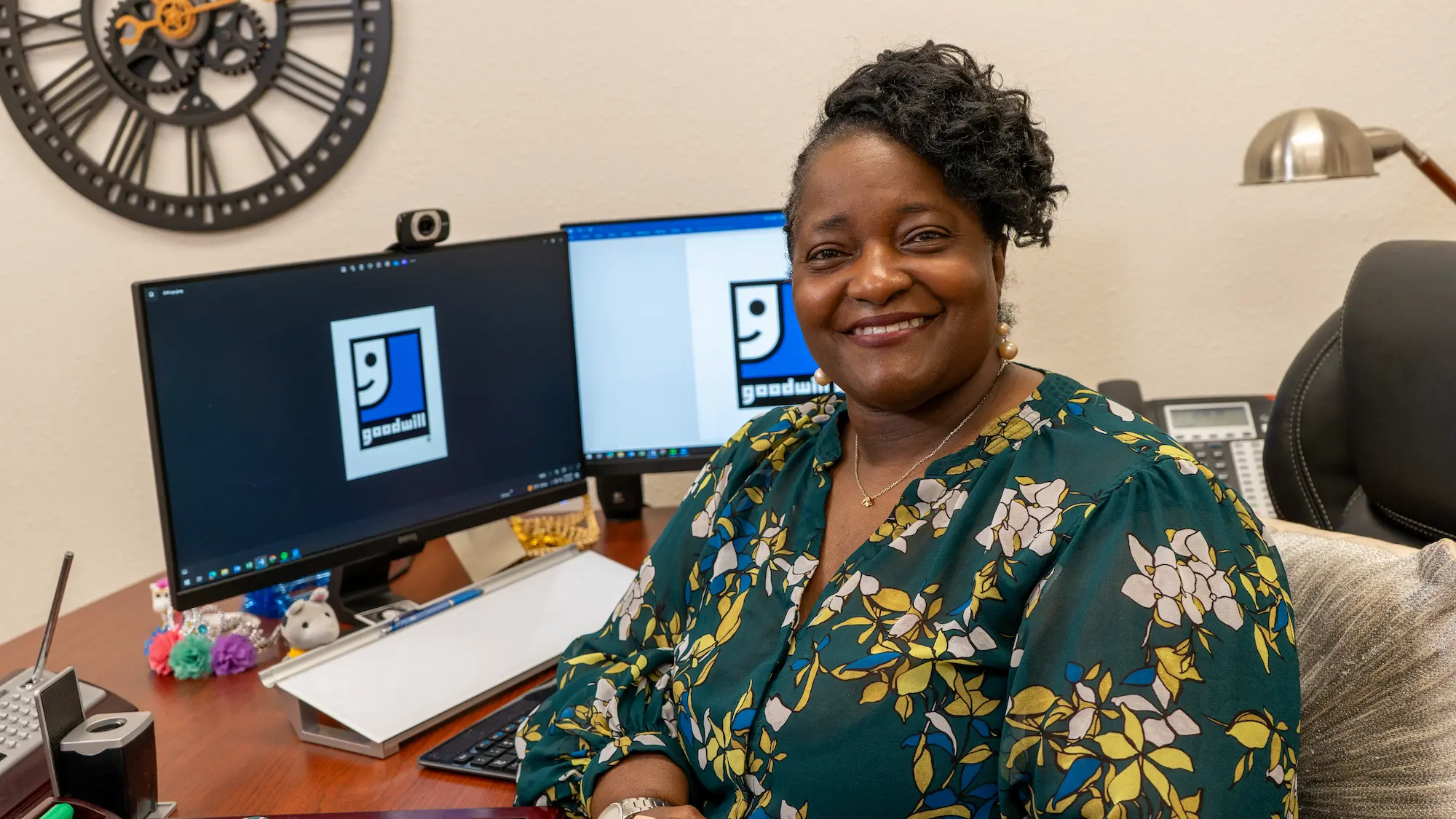
“People deserve to be seen for their potential, not defined by their circumstances. That belief has been the driving force behind everything I do.”
– Kimberly (Bussey) Lewis
There is a version of nonprofit leadership that is content to address immediate needs and measure success by outputs. Kimberly (Bussey) Lewis has never been interested in that version. As CEO of Goodwill Industries of East Texas, TEDx and international speaker, and executive coach, she has spent her career building something more demanding and more durable: organizations where purpose is not a value statement on a wall but the actual engine of performance, where people are not defined by the systems that underestimated them, and where transformation is the standard rather than the aspiration. Her work is a sustained argument that mission and impact are not in tension with operational excellence. They are the same thing.
From Transactional to Transformational: Redefining What Goodwill Does
When Kimberly took the helm at Goodwill Industries of East Texas, she brought with her a conviction that had been forming throughout her career: that the difference between a good social organization and a great one is the difference between serving people and transforming them. The transactional model, in which services are delivered and recipients move on, leaves intact the conditions that created the need in the first place. The transformational model asks a harder question: what would it take for this person to never need us again?
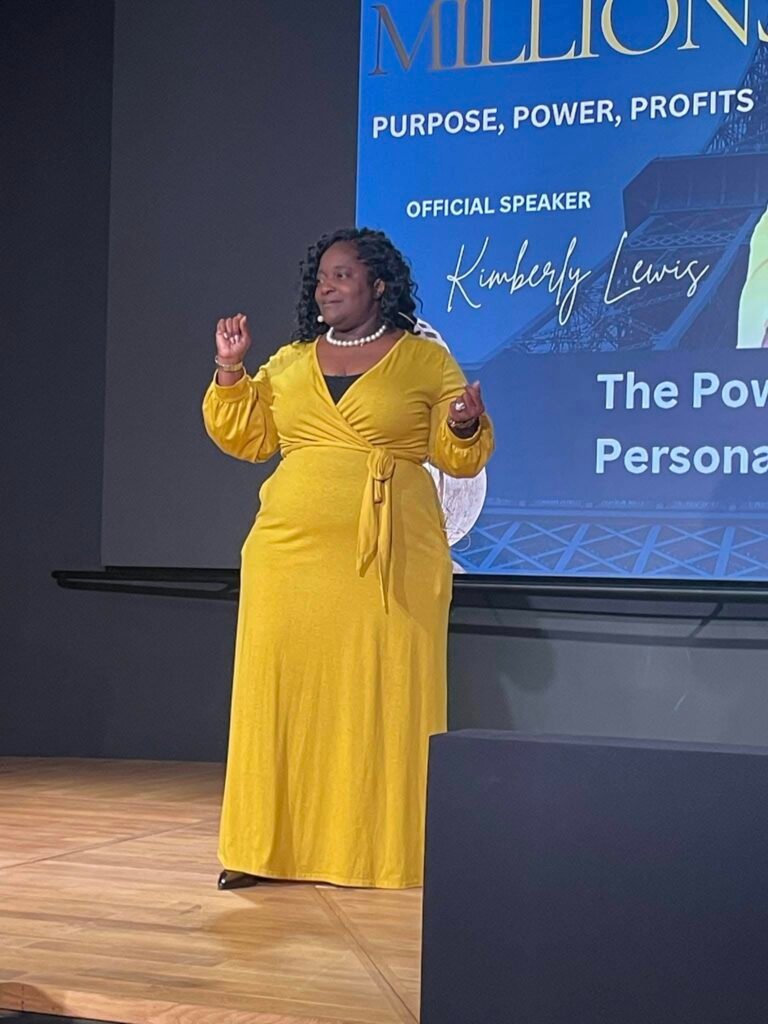
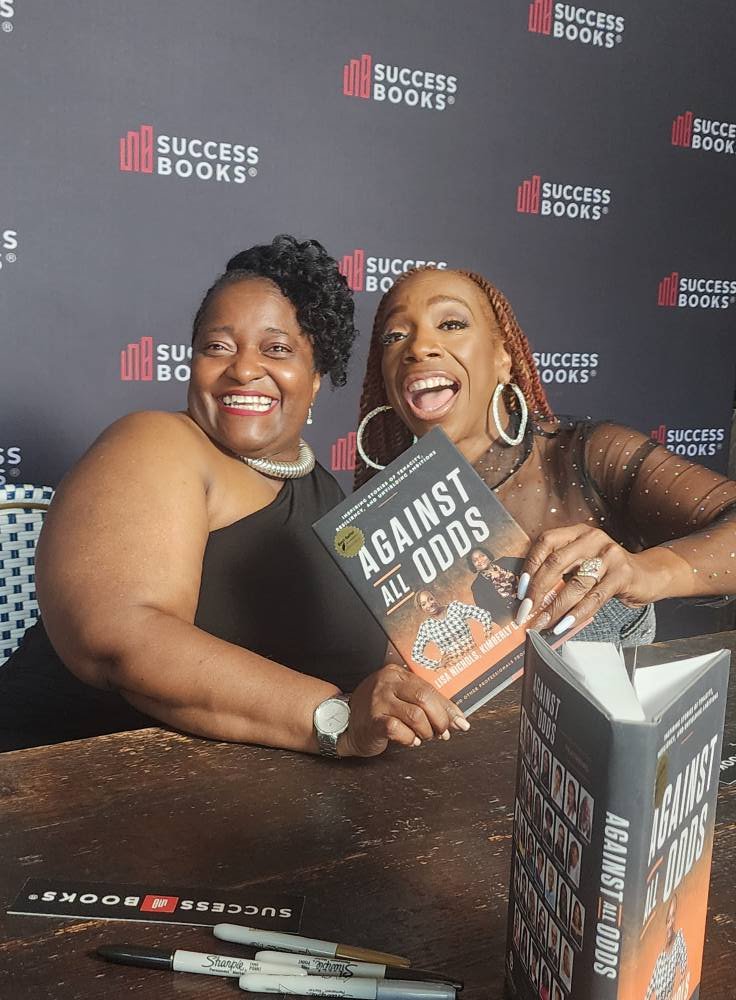
Translating that philosophy into organizational reality meant aligning every decision, financial, operational, and strategic, with the mission of expanding opportunity. It meant building a culture where accountability and compassion are not in competition. It meant measuring success not in revenue alone but in the number of individuals who moved from uncertainty to stability and from stability to genuine self-sufficiency. That ripple effect, she notes, does not stop with the individual. It extends to families, to neighborhoods, and to the broader economic health of the communities Goodwill serves.
GoodTech Academy and GoodBiz: Innovation That Opens Doors
Two initiatives in particular illustrate what Kimberly means when she talks about innovation with purpose. The first is GoodTech Academy, launched in 2018, which she describes not as a computer class program but as a workforce development pathway with real teeth. Students progress from foundational digital literacy to cybersecurity and graduate with a globally recognized CompTIA certification. Crucially, the curriculum is built around hands-on application rather than theory alone, which means graduates enter the job market with practical experience that rivals and in many cases exceeds what a comparable college course produces. The proof is in outcomes: companies are now actively seeking GoodTech graduates over candidates with traditional degrees.
The second is GoodBiz Leadership Program, created in 2021 in direct response to the disproportionate impact the pandemic had on Black and brown business owners. Over seven months, participants in this virtual program build leadership capacity, sharpen core business management skills, and develop the peer networks that sustain entrepreneurial growth. More than 120 entrepreneurs have moved through the program to date. Both initiatives share the same design philosophy: meet people where they are, give them something substantive, and trust them with the real tools of economic participation.
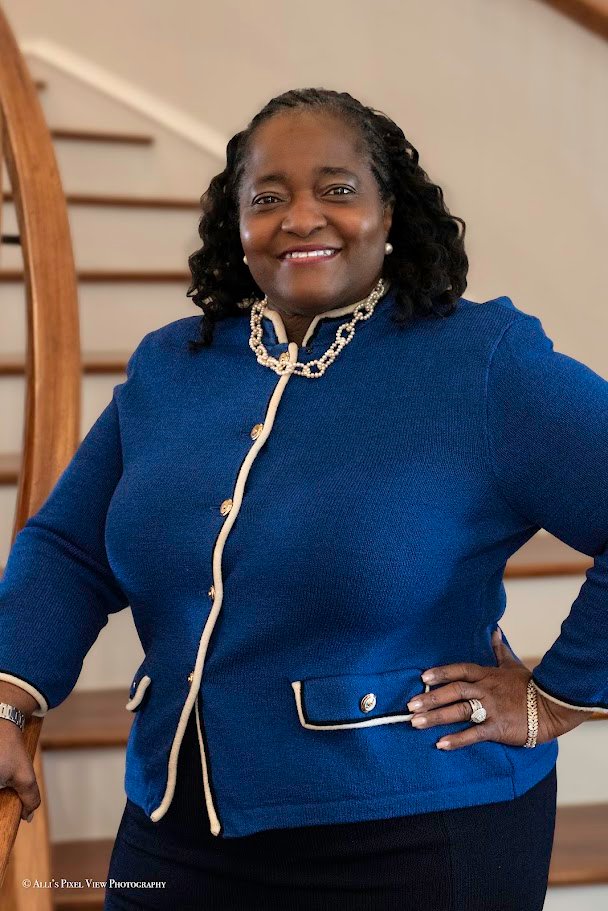
“Innovation with purpose is about solving the right problems. It is grounded in listening, truly understanding the needs of the community, and then designing solutions that are both sustainable and impactful.”
Equity Operationalized: DEI as a Daily Practice
Kimberly is clear that diversity, equity, and inclusion cannot live at the level of organizational statements. They have to be operationalized, embedded into hiring practices, leadership development pipelines, program design, and community partnerships in ways that produce measurable accountability. Equity, as she defines it, shows up in who has access, who has voice, and who has opportunity. Those are not abstract categories. They are the specific questions her organization asks of every system it builds and every decision it makes.
Her role as an executive coach has deepened this orientation. Coaching has taught her to lead with curiosity rather than assumption, to create the conditions for others to discover their own strengths rather than imposing a predetermined model of success. That approach, she finds, builds teams with genuine ownership over outcomes and organizations with the kind of internal resilience that sustains impact through inevitable disruptions.
The Future of Social Leadership and the Legacy Being Built
Looking at the decade ahead, Kimberly sees a sector that will increasingly require leaders who are adaptive, collaborative, and equity-centered in ways that go beyond intention. Cross-sector partnerships, data-informed decision-making, and sustainable social enterprise models will define the organizations that continue to matter. Technology will play a growing role, but she is measured about its limits: the real differentiator, she believes, will not be the sophistication of the tools but the quality of the human connection those tools are used to serve and deepen.
The legacy she is building is one of expanded possibility. Not just for the individuals Goodwill of East Texas serves directly, but for the field of nonprofit leadership itself. Her advice to emerging leaders carries the same clarity that defines her own career: lead with purpose, stay grounded in values, and be willing to challenge systems that no longer serve the people they were built for. Impact does not happen overnight. With consistency, courage, and clarity of mission, it will happen.