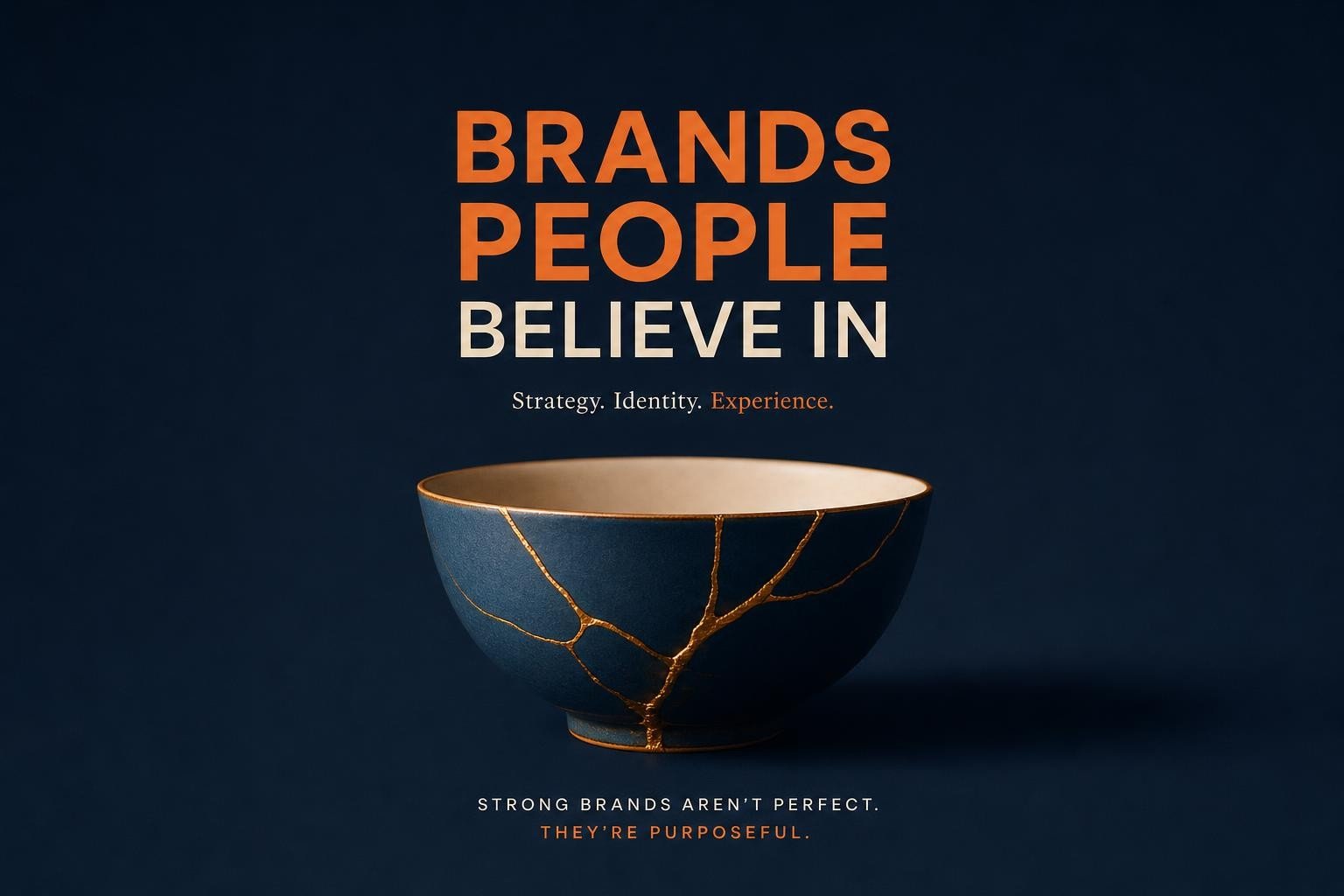
A polished logo, distinctive color palette and consistent design system can make a company recognizable. They do not, by themselves, make the brand authentic.
That distinction matters as markets become more transparent. Customers, employees and business partners can compare a company’s public promises with its products, policies and everyday conduct. A strong visual identity may attract attention, but authenticity is tested by what happens after the first impression.
What a visual identity does well
Visual identity is the visible layer of a brand. It includes the logo, typography, colors, photography, packaging, website design and other elements that help an audience identify an organization quickly.
A coherent identity creates useful business advantages. It can improve recognition across channels, make communications easier to manage and help different teams present a consistent appearance. A well-designed system also gives employees practical rules for producing marketing materials without reinventing the brand for every campaign.
Consistency, however, is not the same as credibility. A company can apply its brand guidelines perfectly while offering a poor customer experience or making claims that its operations do not support.
Organizations developing a visual system should also consider ownership and protection. The World Intellectual Property Organization’s trademark resources provide a useful overview of how brand identifiers can be managed in international markets.
What makes a brand authentic
Authenticity comes from alignment. The company’s stated purpose, commercial decisions and behavior need to make sense together. That alignment is visible in product quality, pricing, customer service, hiring, supply-chain choices, leadership conduct and the way the business responds when it makes a mistake.
An authentic brand does not need to appear informal, handmade or deliberately imperfect. A global financial institution can be authentic, as can a premium consumer brand or a technology company. The relevant question is whether the brand’s communication reflects a real and defensible way of operating.
This is why authenticity cannot be added through a campaign alone. Marketing can clarify a company’s character, but it cannot permanently compensate for a gap between messaging and experience. If a business presents itself as customer-focused while making support difficult to reach, audiences will judge the operational reality rather than the slogan.
The relationship between design and trust
Visual identity plays an important role in expressing authenticity, but its role is closer to evidence than proof. Design can communicate a brand’s heritage, level of formality, sense of place or attitude toward innovation. It can make the company feel coherent before a customer has used the product.
The design becomes more credible when it is connected to specific facts. A company that emphasizes durability should be able to explain how its products are made and supported over time. A business that highlights local expertise should be precise about where its work takes place. A brand that presents itself as inclusive should examine accessibility, representation and internal practices rather than relying only on imagery.
In this sense, authentic design is grounded in the organization. It does not imitate the visual language of a competitor or borrow cultural references without understanding them. It gives form to qualities that customers can encounter in the wider business.
Common signs of a visual-first brand
Several patterns suggest that design has been developed separately from the underlying brand:
- The identity is highly distinctive, but employees cannot explain the company’s promise in the same terms.
- Campaigns use values-led language that is absent from customer service, product decisions or corporate policies.
- The organization changes its tone and appearance frequently because each campaign is treated as a new beginning.
- Brand guidelines regulate colors and layouts in detail but say little about behavior, decision-making or customer experience.
- The company focuses on appearing credible instead of making its claims specific and verifiable.
These signs do not mean the design is poor. They indicate that the visual system may be carrying more strategic weight than it can support.
How businesses can build greater alignment
The work begins before a redesign. Leaders should identify the promises the business is prepared to keep, then test those promises against the customer journey and internal experience. Interviews with customers and employees can reveal where the public story matches reality and where it does not.
Next, the organization can translate its positioning into practical behaviors. If reliability is central, that might affect delivery updates, product testing and complaint handling. If creativity is important, it might influence how teams are structured and how much room employees have to experiment. These choices give the visual identity something concrete to express.
Designers should then build a system that supports the company’s real character. The result may be restrained, expressive, premium, functional or unconventional. There is no universal authentic style. The test is whether the identity feels credible in relation to the organization and remains useful across the places where people encounter it.
For a broader look at how positioning connects with communication, see our guide to building a practical brand strategy. Companies reviewing their customer touchpoints may also benefit from our article on strengthening customer experience across channels.
The business value of authenticity
Authenticity reduces the distance between what a company says and what stakeholders experience. That can make communication more efficient because teams are less reliant on exaggerated claims or constant repositioning. It can also support stronger relationships with customers and employees, although no visual system can guarantee loyalty or commercial success.
The most resilient brands treat identity as a visible expression of business reality. They invest in distinctive design, but they also examine the decisions that design is expected to represent. A memorable appearance earns attention. Consistent behavior gives that attention a reason to last.