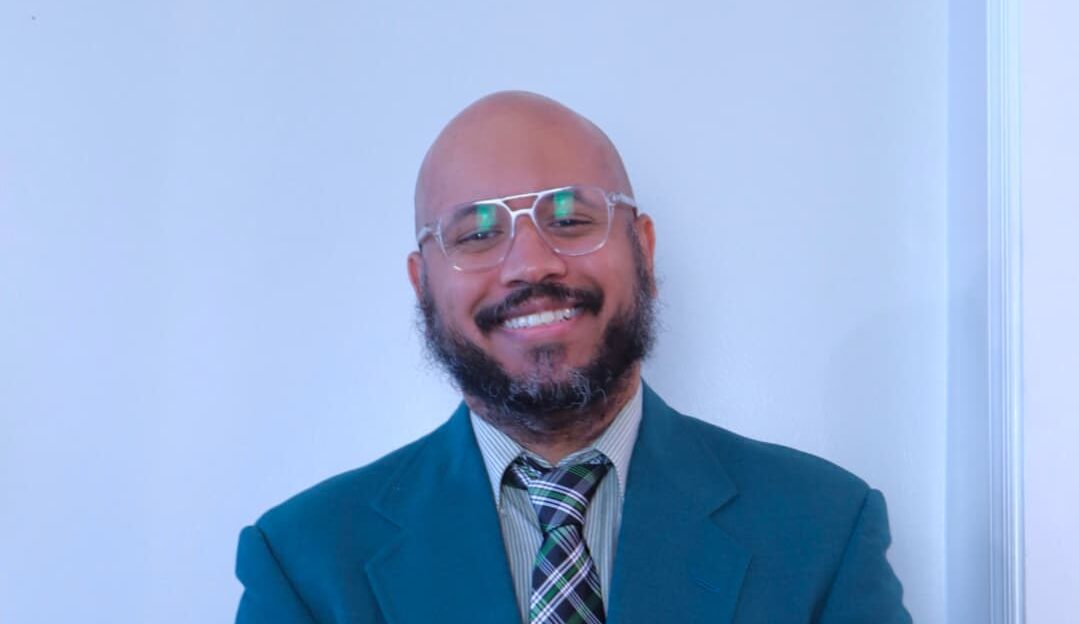
“I don’t just carry a degree. I carry the quiet, unfinished academic journeys of my mother, turning her sacrifices into a blueprint for others to follow.”
– Dalbin A. Osorio
Some leaders come to social change through ideology. Dalbin A. Osorio came through lived experience. Raised in a single-parent household as the son of immigrants who could not complete their own academic journeys, he grew up watching the distance between raw talent and realised opportunity widen into something that looked, from the inside, less like a gap and more like a canyon. The question he carried with him from childhood into a career spanning nearly two decades of nonprofit leadership was not simply how to cross that canyon, but how to build a bridge sturdy enough for everyone behind him to cross as well. That question is still driving him today as Executive Director of the Dyslexia Tutoring Program in Baltimore and doctoral candidate in education. The bridge, in his hands, is no longer metaphorical. It is structural, and it is being built one family at a time.
CARRYING THE UNFINISHED JOURNEYS OF OTHERS
Becoming the first in his family to earn a college degree was not simply a personal milestone for Dalbin. It was a reckoning. He understood that the degree he carried was not only his. It was, in his words, the quiet, unfinished academic journey of his mother, her sacrifices converted into a blueprint for others to follow. That sense of inherited responsibility has shaped everything about how he leads: not from above, not from a distance, but from within the community whose pain he knows not as an abstraction but as a formative memory.
Nearly two decades working across housing, mental health, immigration, and child welfare taught him something that no classroom could have: a student’s life is not compartmentalised. A child cannot focus on phonics while facing housing instability at home. A family cannot engage with an IEP process they do not understand while navigating a mental health crisis. The 360-degree lens he now brings to educational leadership was not developed in theory. It was built through years of sitting at the intersection of every system that simultaneously shapes and fails the communities he serves.
THE WHOLE-FAMILY MODEL: TEACHING FAMILIES TO DECODE THE SYSTEM
At the Dyslexia Tutoring Program, Dalbin has built an intervention model that refuses to treat the child in isolation. The organisation’s whole-family approach extends well beyond the tutoring session itself: parents are coached to navigate the IEP process, to understand their rights, and to advocate effectively within a school system that was not designed with them in mind. The goal is for the intervention to outlive the program, transforming the family’s trajectory permanently rather than producing temporary improvements that dissolve once the professional support is withdrawn.
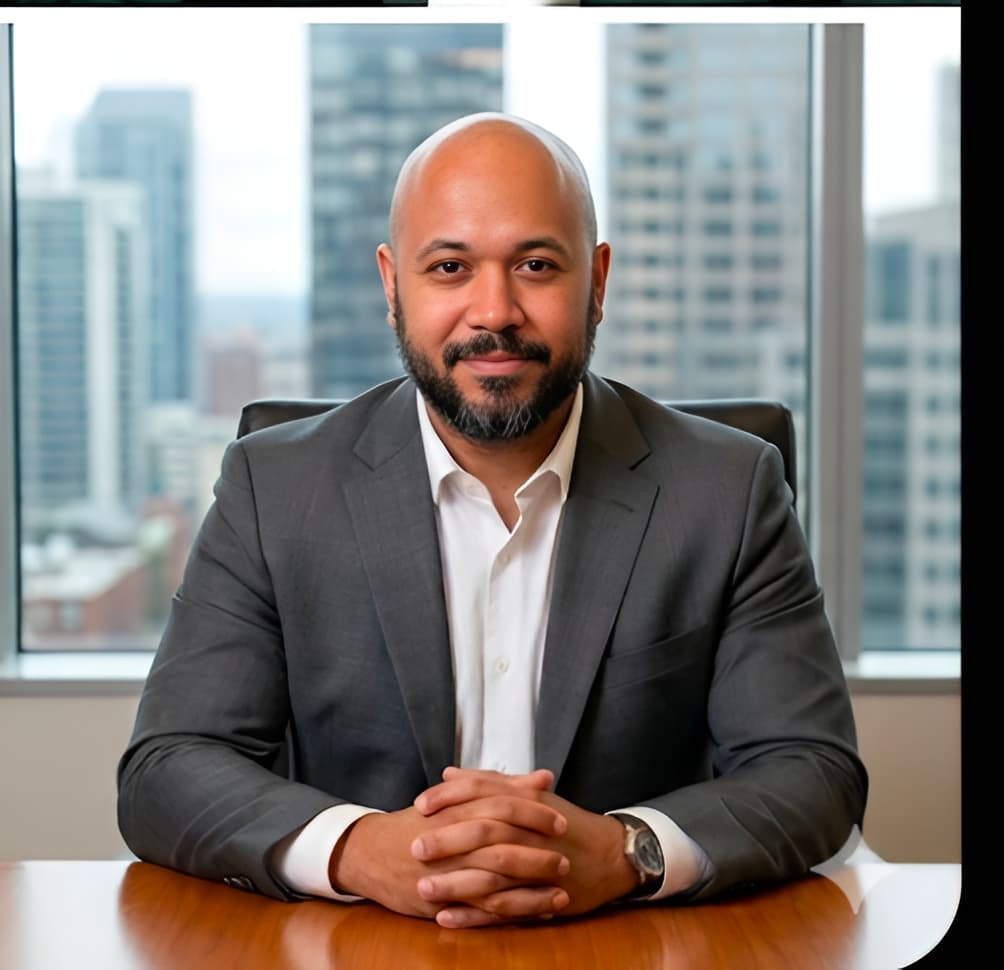
“I don’t just carry a degree. I carry the quiet, unfinished academic journeys of my mother, turning her sacrifices into a blueprint for others to follow.”
The story of a student Dalbin calls RJ captures this philosophy at its most concrete. When RJ arrived, his dyslexia was being dismissed as a language barrier because his family had recently immigrated. Specialised tutoring, combined with advocacy coaching for his mother, produced a transformation that went far beyond reading scores. RJ moved from academic failure to mentoring other students. What had presented as learned helplessness became, with the right intervention, the foundation for leadership. Dalbin describes moments like this as the ultimate return on investment, and the phrase is deliberate. His work has always been about returns that compound over a generation, not improvements that can be measured in a single semester.
LITERACY AS RADICAL ACT: THE EQUITY ARGUMENT
Dalbin does not speak about literacy in neutral terms. In a city like Baltimore, he argues, teaching a child to read is a radical act of social justice. Literacy is the currency that unlocks access to leases, healthcare advocacy, and high-growth employment. Without it, every door that matters stays closed. The challenge he identifies most urgently for 2026 is that specialised resources like dyslexia tutoring remain distributed according to wealth rather than need, reserved for families who can afford private intervention while the communities that most require them go underserved. Addressing that asymmetry is not a charitable impulse. It is, in his framing, an equity imperative.
TRUST AS CURRENCY: LEADING FROM WITHIN
As the first leader of color in the Dyslexia Tutoring Program’s forty-year history, Dalbin is clear-eyed about what his presence means in practical terms. Trust, he argues, is the foundational currency of community impact, and it cannot be purchased with funding or conferred by a title. It is built in the streets of Baltimore by a leader who mirrors the struggle and the strength of the people the organisation serves. When families see themselves reflected in the person asking for their trust, the gap that too often exists between institutions and communities begins to close. Without that trust, even the most generously resourced programme will fail to take root.
DOCTORAL RESEARCH AND THE LONG GAME OF SYSTEMIC CHANGE
Dalbin’s pursuit of a Doctorate in Education is not a credential exercise. It is a deepening of the work. The doctorate is moving him, in his own words, beyond the how of education and into the why of systemic inequity, sharpening his ability to pursue structural, research-backed change rather than temporary fixes that address symptoms while leaving root causes untouched. He describes the balance at the centre of his leadership as keeping his heart in the practice, the individual stories that give the work its meaning, while keeping his eyes on the policy, the systemic barriers that ensure no volume of individual intervention will ever be sufficient on its own. Social work is the heartbeat of his leadership, he says, but policy is the spine. You need both to stand tall against systemic inequity.
AN ARCHITECT OF OPPORTUNITY: THE LEGACY HE IS BUILDING
The legacy Dalbin A. Osorio is building is not one he measures in awards or institutional milestones. He measures it in the longevity of the bridge: in whether more students from underinvested zip codes are entering the workforce with agency, and in whether the first-generation label is becoming a standard point of entry rather than a badge of survival. He wants to be remembered as someone who saw the gaps in the system and filled them with bridges, an architect of opportunity who understood that the system as it currently exists was designed to splinter communities apart, and who spent his career pulling nails and building solidarity instead.
In Baltimore, in the Dyslexia Tutoring Program, in the doctoral research he is completing, and in every family he has helped decode a system not built for them, that architecture is already standing. The work continues.