Most Influential Finance Leaders Advancing Corporate Finance, Capital Strategy, and Sustainable Business Growth to Watch in 2026
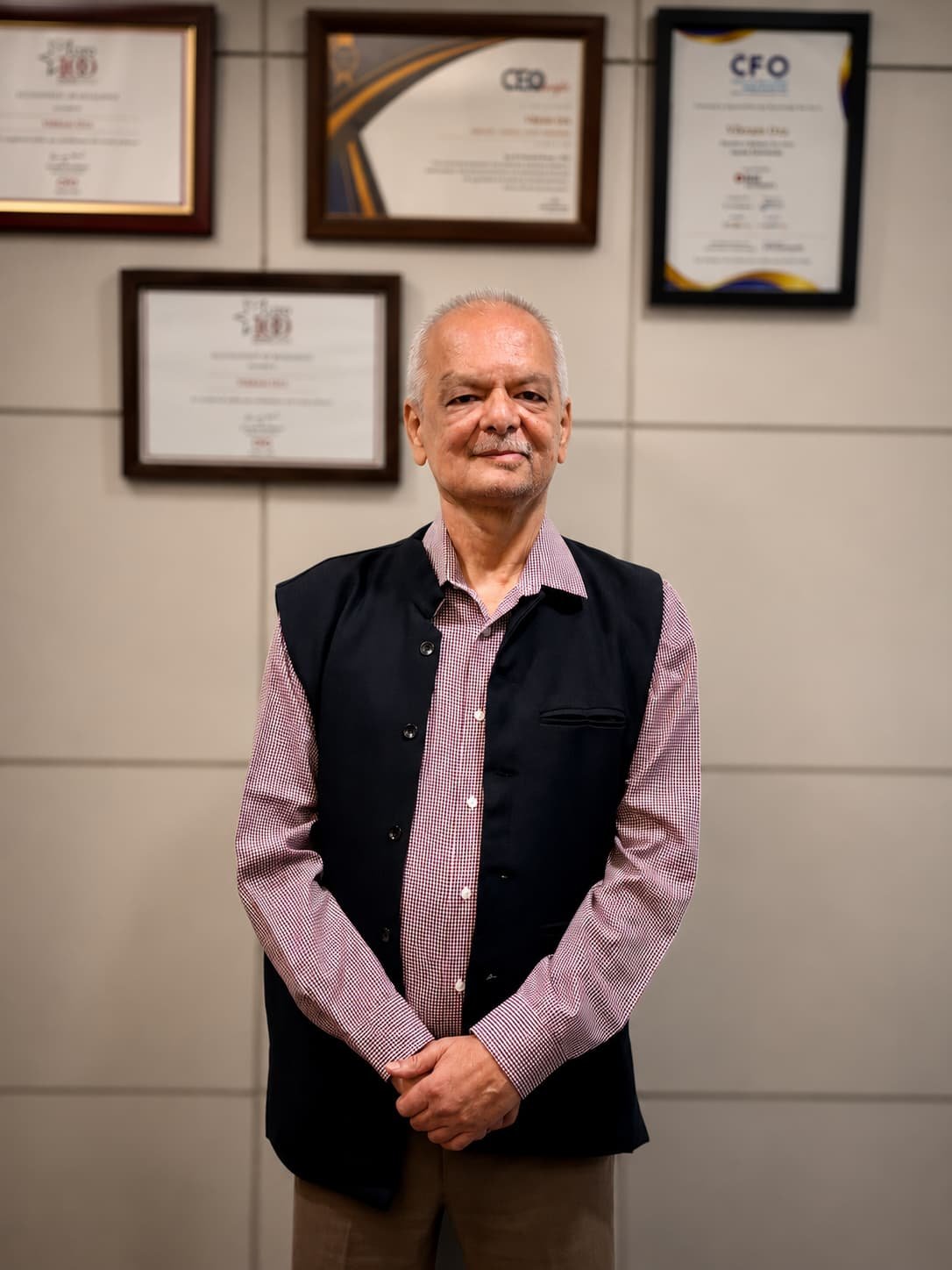
What distinguishes Vikram’s journey is not simply his extensive experience across industries or his involvement in complex financial initiatives. It is his unwavering belief that credibility is built through consistency, transparency, ethical conduct, and meaningful relationships. His approach demonstrates how financial discipline can support ambitious growth while protecting long term organizational value.
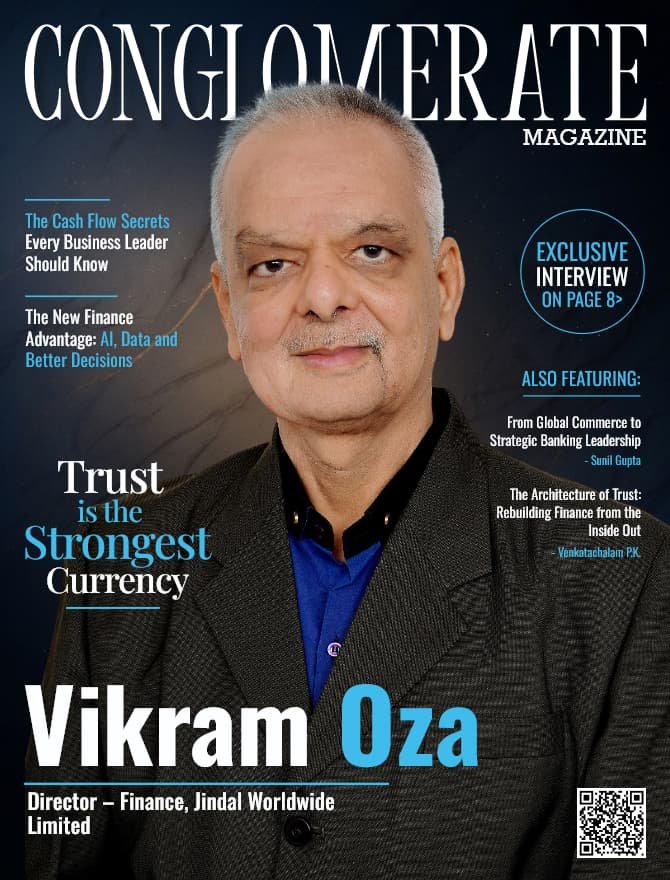
On Cover
Vikram Oza
Director – Finance, Jindal Worldwide Limited
The true measure of a finance leader is rarely found in financial statements alone. It is reflected in the confidence of investors, the trust of lenders, the resilience of an organization during uncertainty, and the ability to transform financial discipline into sustainable business growth. Over more than four decades, Vikram Oza has built a distinguished career founded on precisely these principles, earning recognition not simply as a finance executive but as a trusted strategic advisor whose leadership continues to influence some of India’s largest business enterprises.
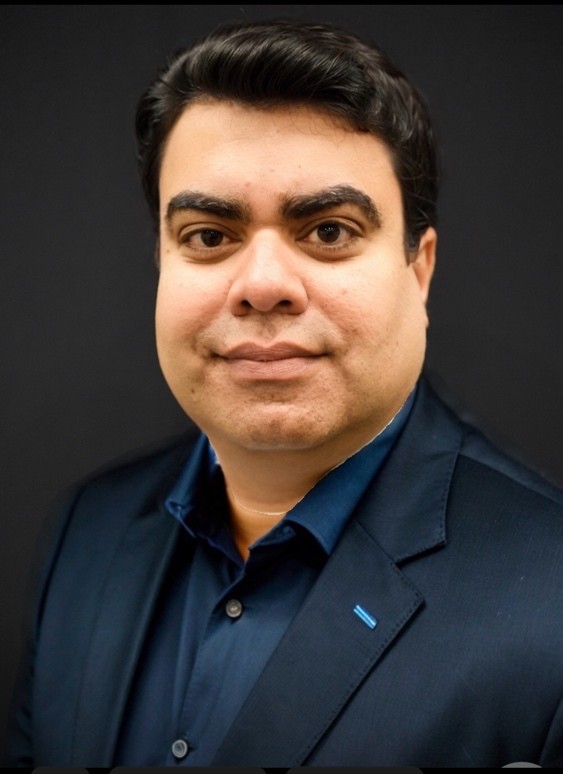
Sunil Gupta
Global Trade Product Head, BMO Financial Group
Global banking has long served as the invisible engine behind international commerce, connecting businesses, enabling liquidity, mitigating risk, and ensuring trade flows continue across borders regardless of complexity. For Sunil Gupta, this interconnected world of finance and global trade has been the defining arena of a leadership journey spanning more than 25 years across trade finance, compliance, banking transformation, treasury solutions, and product innovation.
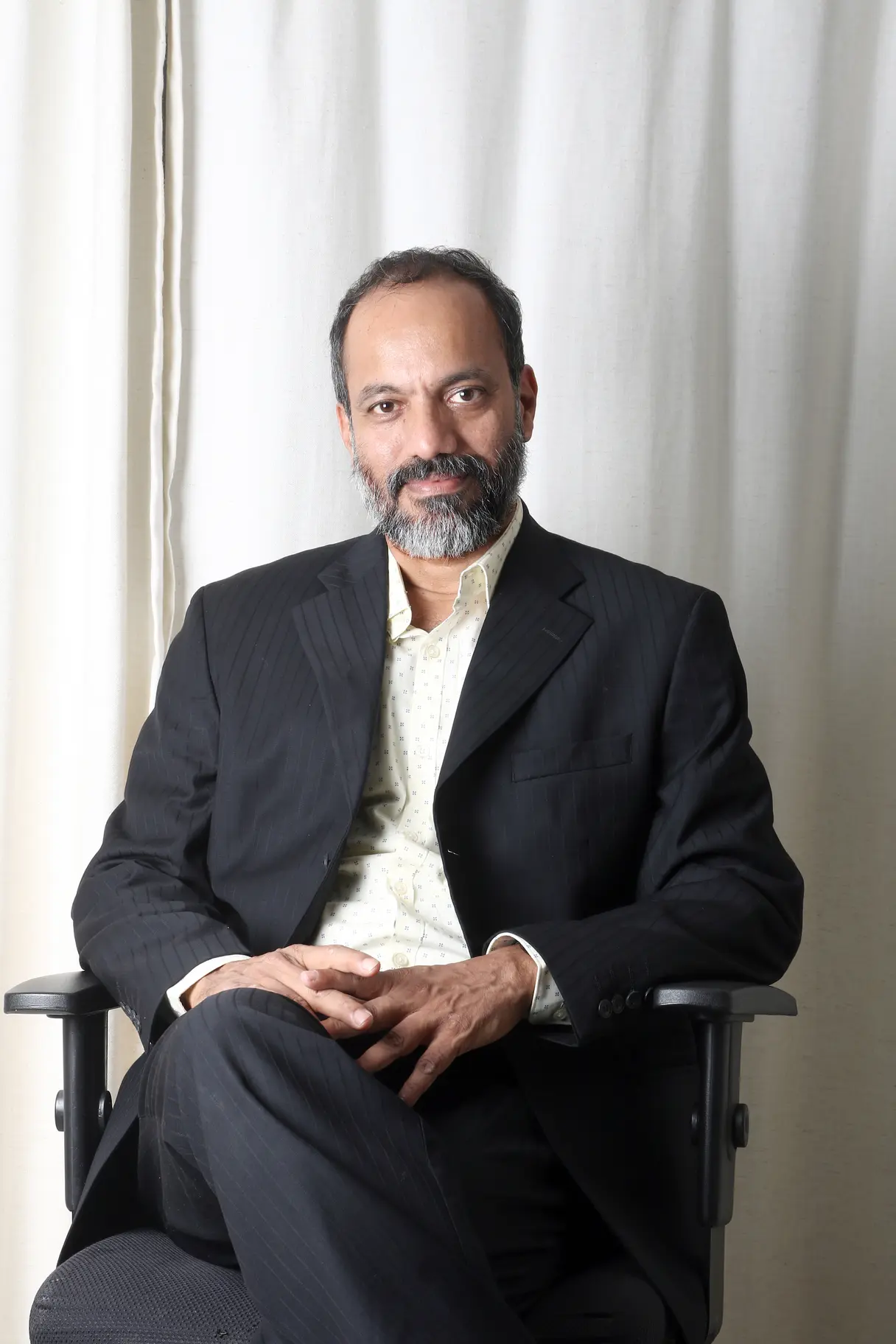
Venkatachalam P.K.
CEO, FinAlyzer
Most software companies begin with a product. Venkatachalam P.K. began with a problem he could not stop thinking about. As someone who spent years working alongside CFOs, controllers, and finance teams across industries, he kept encountering the same dissonance: brilliant people, exhausted by process. Not because they lacked skill, but because the systems around them were fragmenting their effort rather than focusing it.