“Successful restaurants are not simply about food. They are about systems, people, culture, and execution.”
– Karim Abd El Razek
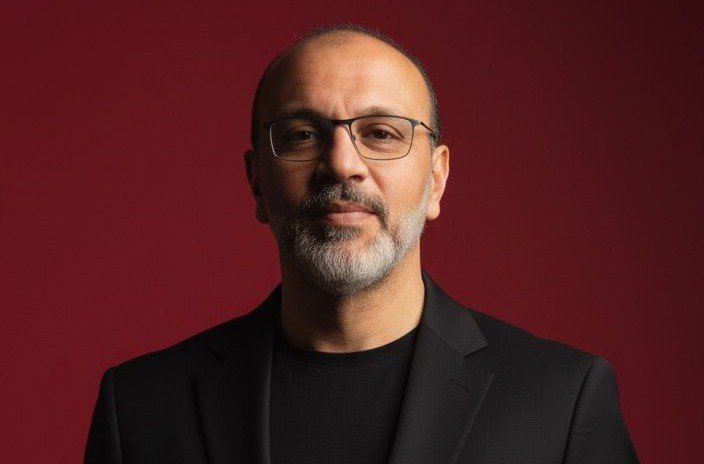
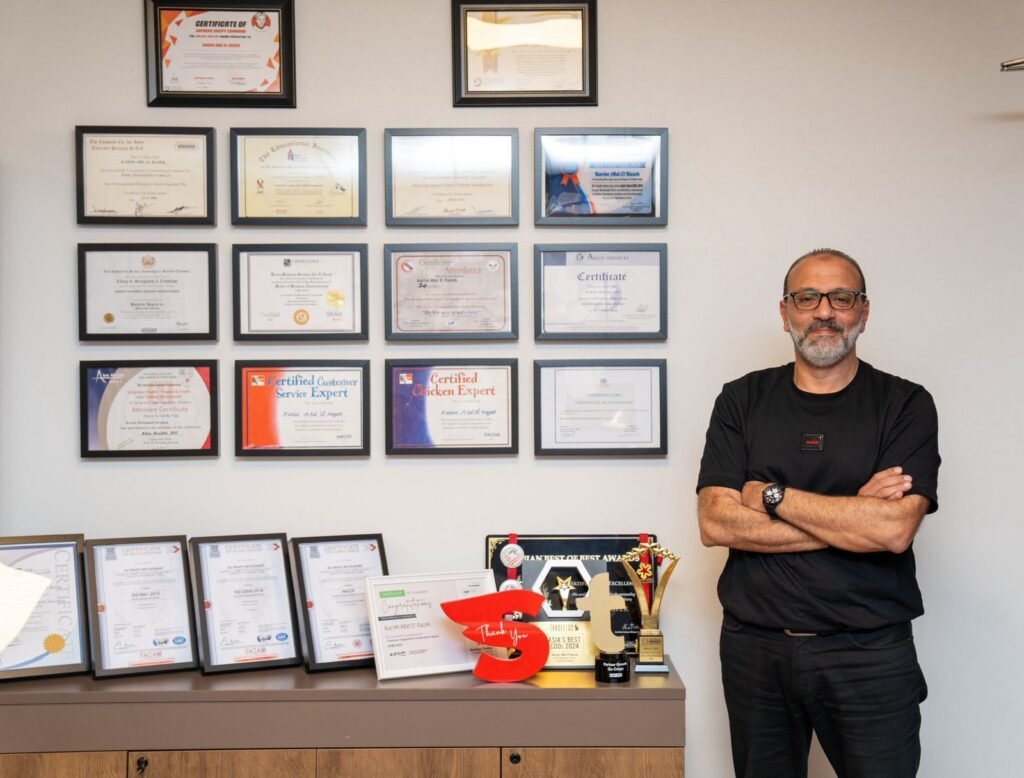
There is a version of the restaurant industry that is about food. And then there is the version that Karim Abd El Razek has spent 24 years operating within: the one where a great dining experience is the visible surface of an intricate architecture of systems, culture, people, and disciplined execution running beneath it.
That distinction, between what a customer sees and what makes it possible, is the organizing principle of everything Karim has built. Across a career spanning hospitality, retail, franchising, and business transformation, including senior executive and Group CEO roles managing multi-brand operations and large-scale expansion projects across the GCC, he has consistently returned to the same conviction: sustainable success in hospitality is not created by great food alone. It is created by great organizations.
That conviction eventually led him to establish Pure Planet and co-found Zad International United, two platforms built around a shared mission of developing scalable hospitality concepts and supporting brands in achieving growth that actually holds.
THE LESSON GROWTH TEACHES THE HARD WAY
Twenty-four years of managing startups, turnarounds, franchise networks, and multi-brand organizations have a way of clarifying what matters. For Karim, the most important lesson arrived early and has never stopped being relevant: growth without structure creates instability.
It is a deceptively simple observation, but its implications run deep. Many hospitality businesses scale on the strength of a compelling concept, an energetic founding team, or a wave of early customer enthusiasm, only to find that what worked for three locations begins to fracture at ten. The concept that seemed self-explanatory turns out to require documentation. The culture that felt organic reveals itself to be dependent on specific people rather than embedded in systems. The customer experience that distinguished the brand in its home market does not travel.
Karim has seen this pattern across markets and formats. His response has always been the same: build the foundation before you build the floors. Operational discipline, governance structures, and leadership development are not constraints on growth. They are what make growth survivable.
FIVE PILLARS AND A CLEAR PRIORITY
When Karim describes what a successful restaurant brand requires, he is precise. A clear and differentiated concept. Strong operational systems and standardization. Consistent customer experience. Financial discipline and profitability focus. Continuous innovation and adaptation.
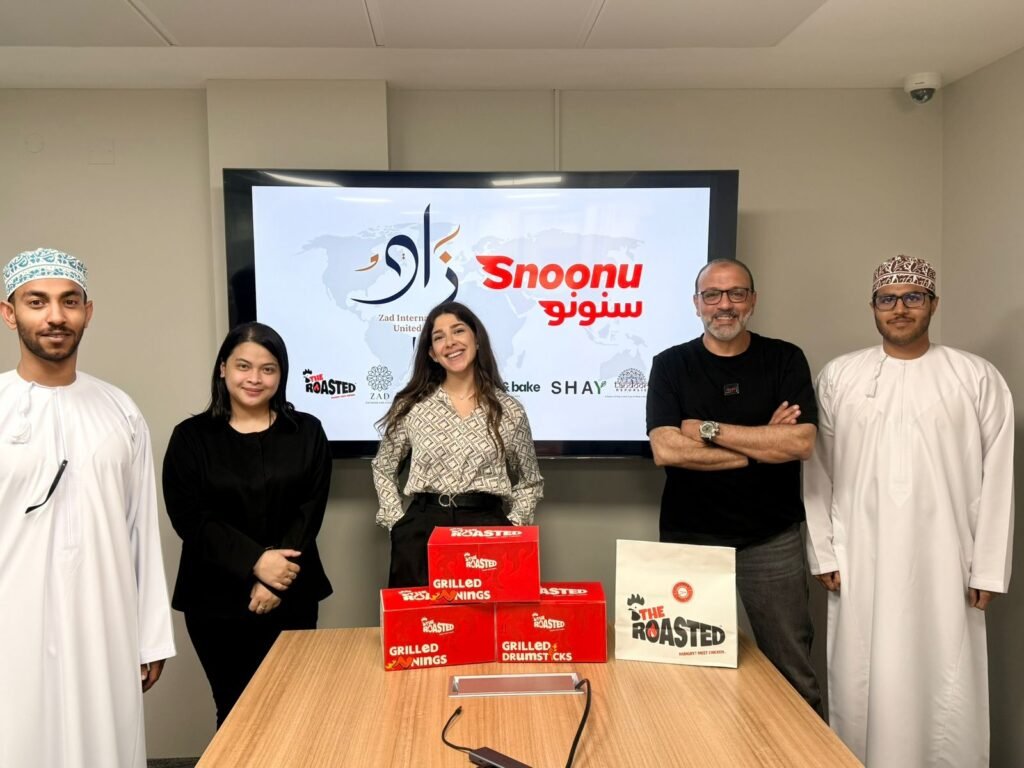
What he emphasizes, however, is the relationship between these pillars rather than any one of them in isolation. The hospitality industry has never suffered from a shortage of compelling concepts. What it consistently underproduces is the operational excellence that allows a compelling concept to become a durable brand.
“A great concept attracts customers,” he says, “but operational consistency keeps them coming back.” Marketing can fill a restaurant. Only operations can fill it repeatedly, across locations, across markets, across years. That sequencing of priorities, concept first but operations always, is what distinguishes the brands Karim builds from those that burn brightly and fade.
FRANCHISING: SYSTEMS OVER INDIVIDUALS
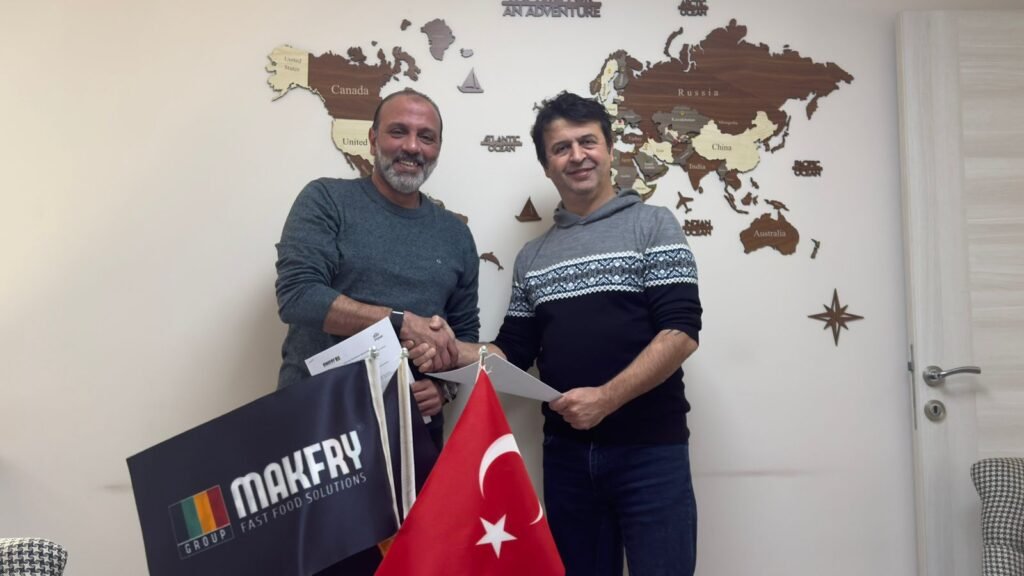
Franchise expansion is where the gap between organizational ambition and operational reality becomes most unforgiving. Karim approaches it with the methodical discipline of someone who has seen what happens when that gap is ignored.
Before any expansion begins, every operational process must be documented, measurable, and replicable. This means comprehensive operating manuals, strong training programs, digital reporting systems, performance dashboards, and regular audits. The franchise network must be held together by systems, not by the presence of specific individuals who happen to understand how things work.
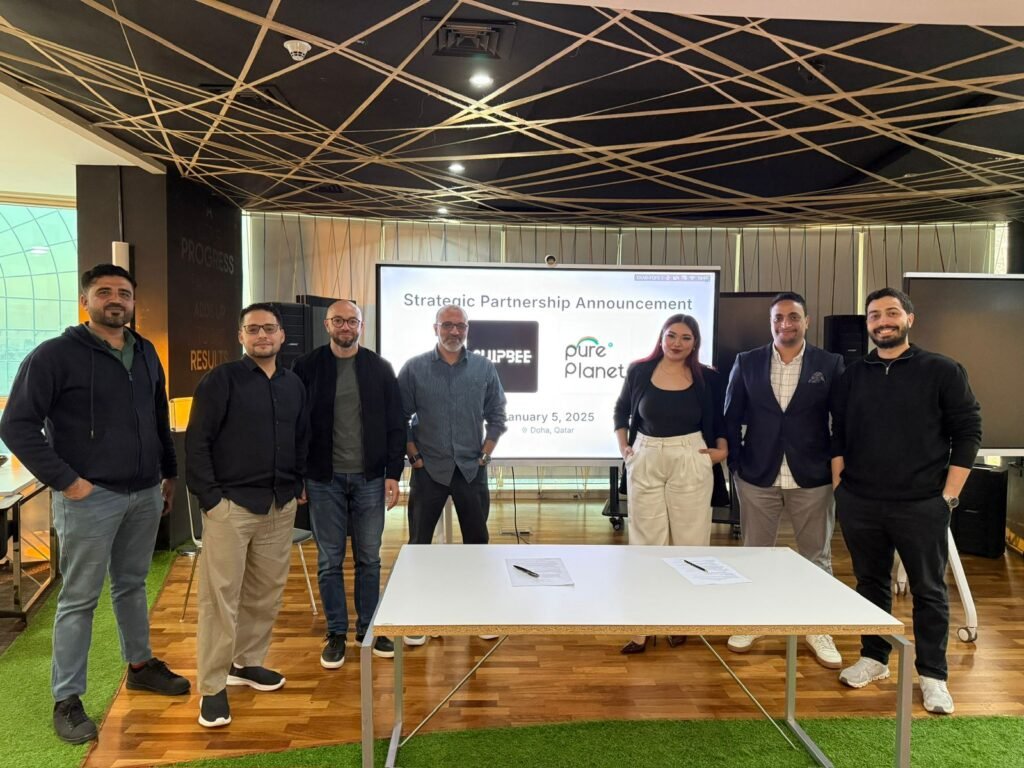
At the same time, Karim is clear that standardization and rigidity are not the same thing. Local markets have genuine differences in consumer behavior, cultural expectations, and operational realities that a brand ignores at its peril. His approach protects the core brand identity while allowing the flexibility necessary to maintain market relevance. The goal, as he puts it, is consistency without limitation.
LEADING THROUGH COMPLEXITY
Managing multiple brands and business units across diverse markets demands a governance approach that is both rigorous and clear. Karim’s framework begins with organizational clarity: every business unit must understand its objectives, its KPIs, and its accountability structure. Weekly and monthly performance reviews, data-driven decision making, financial controls, and leadership accountability are not optional disciplines. They are the infrastructure through which strategy becomes reality.
But governance, in his view, only functions when communication matches it. Teams perform best when they understand not just what the strategy is, but why it exists and how their specific role contributes to it. Alignment is not achieved through org charts alone. It is achieved through transparency, consistency, and the kind of shared purpose that makes people feel part of something larger than their immediate responsibilities.
TECHNOLOGY AS AN ENHANCER, NOT A REPLACEMENT
On the question of technology and digital transformation, Karim’s position is measured and important. The tools now available to restaurant operators, from digital ordering and loyalty programs to predictive analytics and operational dashboards, represent a genuine step change in what is possible. Data allows operators to understand customer behavior, optimize labor, reduce waste, improve menu performance, and make decisions that were previously intuitive guesses.
“Growth Without Structure Creates Instability. Karim Abd El Razek Builds the Structure First.”
But technology, he insists, should enhance hospitality rather than replace it. The warmth, attentiveness, and human connection that define great hospitality experiences cannot be automated. The most successful organizations will be those that deploy technology to create better experiences for customers and employees alike, not those that use it to reduce the human element of the business to its minimum.
Looking further ahead, he identifies AI-driven business intelligence, cloud kitchens, sustainability-focused sourcing, personalized data-powered customer experiences, and the continued expansion of franchise models into emerging markets as the forces that will most significantly shape the industry over the coming decade. The brands best positioned for that future will be those that embrace these trends without abandoning the operational fundamentals that make them possible to execute.
A LEGACY OF PEOPLE AND POSSIBILITIES
When Karim reflects on legacy, he moves quickly past the metrics of expansion and brand count toward something more personal and more lasting. He wants to be remembered for the organizations he helped transform, the leaders he mentored, and the contribution he made to the broader growth of the hospitality industry across the region.
“Focus on building systems, invest in people, remain adaptable, and never compromise on operational excellence,” is his distilled advice to entrepreneurs and executives. The sequence is deliberate. Systems create the conditions for people to perform. People, developed and empowered, become the carriers of culture and the builders of the next generation of leaders.
In an industry that often celebrates the glamour of opening day while underestimating the discipline required for the thousand days that follow, Karim Abd El Razek has built a career on what comes after the ribbon cutting. That, ultimately, is where the real work of building something that lasts begins.